


As a seasoned supplier of linear ball bearings, I've witnessed firsthand the pivotal role proper lubrication plays in the performance and longevity of these essential components. In this blog post, I'll share in - depth insights on how to lubricate a linear ball bearing, drawing on years of industry experience and technical knowledge.
Understanding Linear Ball Bearings
Before delving into the lubrication process, it's crucial to understand what linear ball bearings are and how they function. Linear ball bearings are mechanical components designed to provide smooth linear motion along a shaft or rail. They consist of an outer race, an inner race, balls, and a cage that keeps the balls evenly spaced. These bearings are widely used in various applications, from industrial machinery to automation systems, due to their high precision and low friction characteristics.

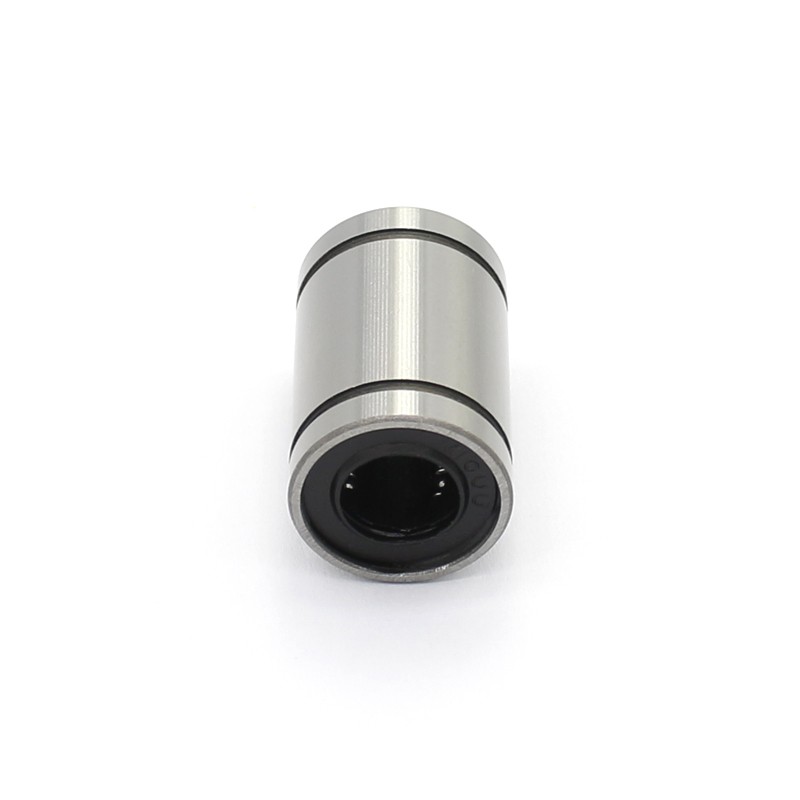
We offer a wide range of linear ball bearings, including the LM10UU Bearing and LM16UU Bearing, which are popular choices for different load - capacity requirements. Additionally, our Linear Roller Bearings are suitable for applications that demand higher load - carrying capabilities.
Why Lubrication is Essential
Lubrication serves several critical functions in linear ball bearings. Firstly, it reduces friction between the balls and the races, minimizing wear and tear. This not only extends the bearing's lifespan but also improves the overall efficiency of the system. Secondly, lubrication helps to dissipate heat generated during operation. Excessive heat can cause the bearing materials to expand, leading to increased friction and potential damage. A well - lubricated bearing can maintain a stable operating temperature, ensuring consistent performance.
Furthermore, lubrication acts as a barrier against contaminants such as dust, dirt, and moisture. These contaminants can enter the bearing and cause abrasion, corrosion, and premature failure. By applying a proper lubricant, we can prevent these contaminants from reaching the critical contact surfaces of the bearing.
Selecting the Right Lubricant
The choice of lubricant depends on several factors, including the operating conditions, load, speed, and temperature of the application. There are two main types of lubricants commonly used for linear ball bearings: grease and oil.
Grease
Grease is a popular choice for many linear ball bearing applications due to its ease of use and long - lasting lubrication properties. It consists of a base oil, a thickener, and additives. The base oil provides the actual lubrication, while the thickener holds the oil in place and prevents it from leaking out. Additives can enhance the grease's performance, such as improving its anti - wear, anti - corrosion, and extreme - pressure properties.
When selecting a grease, consider the following factors:
- Base oil viscosity: Higher viscosity oils are suitable for high - load and low - speed applications, while lower viscosity oils are better for high - speed applications.
- Thickener type: Different thickeners have different temperature and chemical resistance properties. Lithium - based greases are widely used due to their good all - around performance.
- Operating temperature range: Make sure the grease can withstand the maximum and minimum temperatures of the application.
Oil
Oil lubrication is preferred in applications where high - speed operation, precise control of lubricant quantity, or heat dissipation is required. It offers lower friction compared to grease and can be easily circulated through a lubrication system. However, oil lubrication systems are more complex and require additional components such as pumps, filters, and reservoirs.
When choosing an oil, consider the following:
- Viscosity: Similar to grease, the viscosity of the oil should be selected based on the operating conditions.
- Additives: Anti - wear, anti - oxidation, and anti - corrosion additives can improve the oil's performance.
Lubrication Process
Preparation
Before lubricating the linear ball bearing, it's essential to prepare the bearing and the work area. First, clean the bearing thoroughly to remove any dirt, debris, or old lubricant. You can use a suitable cleaning solvent and a soft brush to clean the bearing surfaces. Make sure to dry the bearing completely before applying new lubricant.
Next, gather the necessary tools and materials, including the lubricant, a grease gun or oil dispenser, and any protective equipment such as gloves and safety glasses.
Grease Lubrication
- Determine the correct amount of grease: The amount of grease required depends on the bearing size and application. As a general rule, fill about one - third to one - half of the bearing's internal space with grease. Over - greasing can cause excessive heat generation and increased friction.
- Apply the grease: If using a grease gun, attach the appropriate nozzle to the gun. Insert the nozzle into the grease fitting on the bearing and slowly pump the grease until it starts to come out from the other side of the bearing. Rotate the bearing slowly while applying the grease to ensure even distribution.
- Remove excess grease: After applying the grease, wipe off any excess grease from the bearing surfaces. Excess grease can attract dirt and contaminants, which can be harmful to the bearing.
Oil Lubrication
- Set up the oil lubrication system: If using an oil lubrication system, make sure all the components are properly installed and connected. Fill the oil reservoir with the appropriate oil and check the oil level regularly.
- Adjust the oil flow rate: The oil flow rate should be adjusted according to the bearing's operating conditions. A higher flow rate may be required for high - speed or high - load applications.
- Monitor the oil condition: Regularly check the oil for signs of contamination, oxidation, or degradation. Replace the oil when necessary to maintain optimal lubrication performance.
Maintenance and Inspection
Proper maintenance and inspection are essential to ensure the continued performance of lubricated linear ball bearings.
Regular Lubrication Schedule
Establish a regular lubrication schedule based on the bearing's operating conditions. For lightly loaded and low - speed applications, lubrication may be required every few months. However, for high - load and high - speed applications, more frequent lubrication may be necessary, such as every few weeks or even days.
Inspection
Regularly inspect the bearing for signs of wear, damage, or improper lubrication. Look for symptoms such as abnormal noise, vibration, or increased friction. If any of these symptoms are detected, take immediate action to diagnose and resolve the problem. This may involve cleaning the bearing, reapplying lubricant, or replacing the bearing if it is severely damaged.
Conclusion
Lubricating linear ball bearings is a critical step in ensuring their optimal performance and longevity. By understanding the importance of lubrication, selecting the right lubricant, following the proper lubrication process, and conducting regular maintenance and inspection, you can maximize the efficiency and reliability of your linear ball bearing applications.
As a leading supplier of linear ball bearings, we are committed to providing high - quality products and expert advice on bearing lubrication and maintenance. If you have any questions or need assistance with your linear ball bearing requirements, we encourage you to contact us for further discussion and potential procurement opportunities. Our team of experienced professionals is ready to help you find the best solutions for your specific applications.
References
- "Bearing Handbook" - SKF
- "Mechanical Design in Practice" - Robert C. Juvinall and Kurt M. Marshek
- Industry - specific technical documents and research papers on linear ball bearings and lubrication.


