


As a supplier of cam roller bearings, I understand the critical importance of ensuring the quality and performance of these essential components. Cam roller bearings play a vital role in various industrial applications, from automotive engines to heavy machinery. To maintain their reliability and efficiency, regular inspections are necessary. In this blog post, I will discuss the inspection methods for cam roller bearings that we use to guarantee the highest standards of our products.
Visual Inspection
Visual inspection is the first and most basic step in evaluating cam roller bearings. It allows us to detect obvious signs of damage, wear, or contamination. When conducting a visual inspection, we examine the bearing's outer surface, inner race, rollers, and cage for any visible defects.
- Surface Damage: Look for scratches, cracks, or dents on the outer and inner races. These imperfections can cause uneven loading and premature failure of the bearing. Minor scratches may not immediately affect performance, but deeper ones can lead to increased friction and wear.
- Wear: Check the rollers and races for signs of wear, such as pitting, spalling, or excessive clearance. Pitting appears as small craters on the surface, while spalling is the flaking off of material. Excessive clearance between the rollers and races can result in noise, vibration, and reduced load-carrying capacity.
- Contamination: Inspect the bearing for the presence of dirt, debris, or moisture. Contamination can accelerate wear and corrosion, leading to bearing failure. If contamination is detected, the bearing should be cleaned or replaced as necessary.
- Cage Condition: Examine the cage that holds the rollers in place. A damaged or deformed cage can cause the rollers to misalign, resulting in uneven loading and premature wear. Look for signs of cracking, bending, or excessive wear on the cage.
Dimensional Inspection
Dimensional inspection is crucial to ensure that the cam roller bearing meets the specified tolerances. Precise dimensions are essential for proper fit and function in the application. We use various measuring tools to check the key dimensions of the bearing.

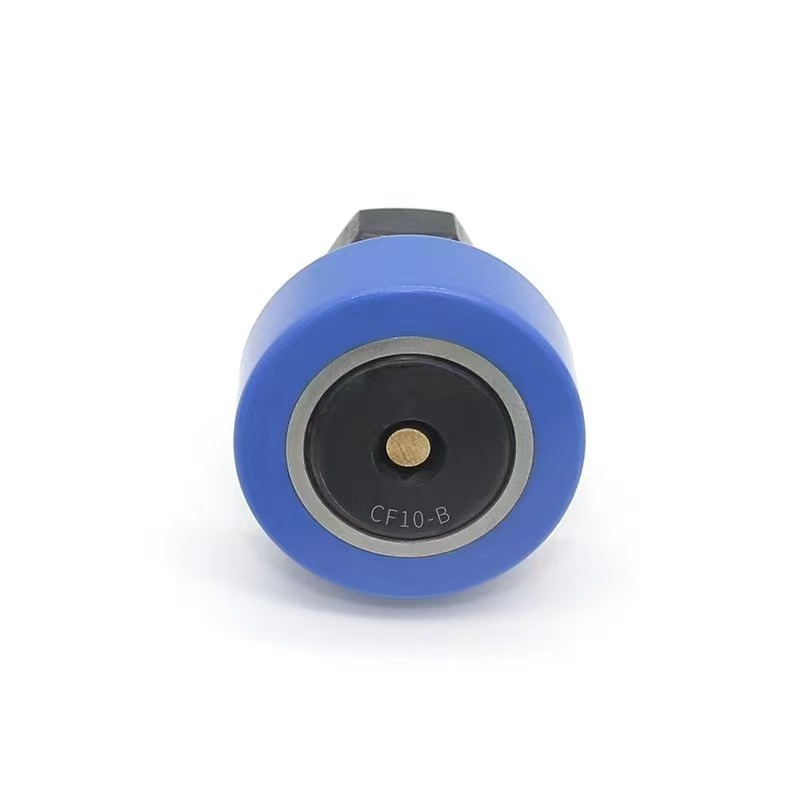
- Outer Diameter and Inner Diameter: Measure the outer and inner diameters of the bearing using a micrometer or a caliper. The measured values should be within the specified tolerance range. Any deviation from the standard dimensions can affect the bearing's fit and performance.
- Width: Measure the width of the bearing to ensure it is within the specified limits. Incorrect width can lead to improper installation and alignment, causing premature wear and failure.
- Roller Dimensions: Check the diameter and length of the rollers. Consistent roller dimensions are necessary for even load distribution and smooth operation. Any variation in roller size can cause uneven loading and increased wear.
Rotational Inspection
Rotational inspection involves checking the smoothness and ease of rotation of the cam roller bearing. A bearing that rotates smoothly indicates proper internal clearance and alignment.
- Manual Rotation: Rotate the bearing by hand to feel for any roughness, binding, or noise. A smooth and free rotation indicates that the bearing is in good condition. If there is any resistance or noise during rotation, it may indicate a problem with the internal components, such as misaligned rollers or damaged races.
- Rotational Torque Measurement: For more accurate evaluation, we can use a torque wrench to measure the rotational torque of the bearing. The measured torque should be within the specified range. An abnormally high torque may indicate excessive friction, while a low torque may suggest insufficient preload or excessive clearance.
Noise and Vibration Analysis
Noise and vibration analysis is a powerful tool for detecting early signs of bearing damage or malfunction. Unusual noise or vibration can indicate problems such as misalignment, wear, or contamination.
- Auditory Inspection: Listen carefully to the bearing during operation. Any abnormal noise, such as grinding, clicking, or rattling, can be a sign of a problem. Different types of noise can indicate different issues. For example, a grinding noise may suggest wear on the races or rollers, while a clicking noise may indicate a loose or damaged component.
- Vibration Analysis: Use a vibration analyzer to measure the vibration levels of the bearing. By analyzing the frequency and amplitude of the vibrations, we can identify the source and severity of the problem. High-frequency vibrations may indicate surface damage, while low-frequency vibrations may be caused by misalignment or imbalance.
Lubrication Inspection
Proper lubrication is essential for the smooth operation and longevity of cam roller bearings. Insufficient or contaminated lubrication can lead to increased friction, wear, and heat generation.
- Lubricant Level: Check the lubricant level in the bearing housing. The lubricant should be at the appropriate level to ensure proper lubrication of the bearing components. Low lubricant levels can cause excessive friction and wear, while over-lubrication can lead to increased heat generation and seal damage.
- Lubricant Condition: Examine the lubricant for signs of contamination, such as dirt, debris, or moisture. Contaminated lubricant can accelerate wear and corrosion. If the lubricant appears dirty or has a strange odor, it should be replaced.
- Lubrication Method: Ensure that the correct lubrication method is used for the application. Different types of bearings may require different lubrication methods, such as grease lubrication or oil lubrication. Improper lubrication can lead to premature bearing failure.
Specialized Inspection for Specific Applications
In some cases, cam roller bearings may be used in specialized applications that require additional inspection methods. For example, bearings used in high-speed or high-temperature applications may need to be inspected for thermal stability and high-speed performance.
- High-Speed Inspection: For bearings used in high-speed applications, we may use specialized equipment to simulate high-speed conditions and check for any signs of instability or vibration. High-speed operation can cause increased centrifugal forces and heat generation, which can affect the bearing's performance and reliability.
- High-Temperature Inspection: In high-temperature applications, we can use thermal imaging cameras to monitor the temperature distribution of the bearing. Excessive heat can cause the lubricant to break down and the bearing materials to expand, leading to premature failure. By monitoring the temperature, we can detect potential problems early and take appropriate measures.
Conclusion
Regular inspection of cam roller bearings is essential for maintaining their quality and performance. By using a combination of visual, dimensional, rotational, noise and vibration analysis, and lubrication inspection methods, we can detect early signs of damage or malfunction and take corrective actions before they lead to costly downtime or equipment failure.
As a supplier of cam roller bearings, we are committed to providing our customers with high-quality products that meet their specific requirements. If you are in need of cam roller bearings or have any questions about our inspection methods, please feel free to contact us for further discussion and procurement. We look forward to working with you to ensure the success of your applications.
For more information about our plastic cam followers, please visit Plastic Cam Followers. And if you are interested in our polyurethane cam followers, check out Polyurethane Cam Follower.
References
- Harris, T. A., & Kotzalas, M. N. (2007). Rolling Bearing Analysis. Wiley-Interscience.
- SKF. (2010). Rolling Bearing Handbook. SKF Group.
- Timken. (2012). Engineering Handbook. The Timken Company.


