


Yo! I'm the supplier running the show when it comes to v groove pulleys. One question that pops up a ton is: "What are the installation dimensions of v groove pulleys?" I'm here to break it down for you.
When we talk about the installation dimensions of v groove pulleys, there are several key aspects we gotta look at. First off, let's start with the bore diameter. This is basically the size of the hole in the center of the pulley where the shaft goes through. It's super important because if the bore diameter is too small, the shaft won't fit. And if it's too big, the pulley will wobble around on the shaft, causing all sorts of problems like uneven wear and vibration.
The standard bore diameters vary depending on the application and the size of the shaft you're using. For smaller v groove pulleys that might be used in some light - duty machinery or home DIY projects, the bore diameter could be as small as 6mm or 8mm. But for heavy - duty industrial applications, you might see bore diameters of 25mm, 32mm or even larger.
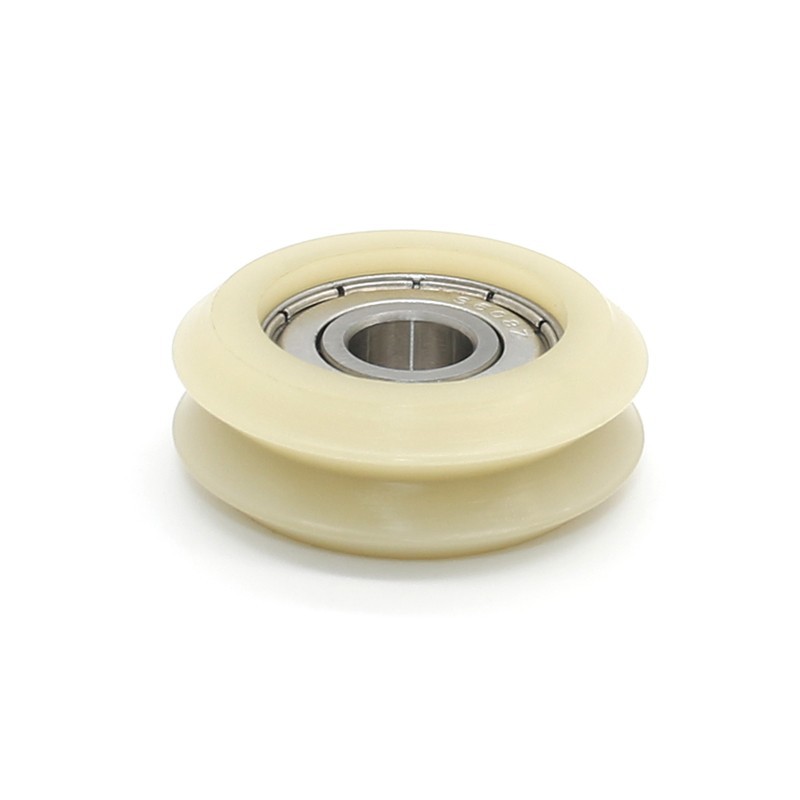

Next up is the outer diameter of the pulley. This determines how much belt or chain the pulley can engage with. A larger outer diameter generally allows for a greater speed ratio, which can be useful if you're trying to increase or decrease the rotational speed between different parts of a machine. For example, in a conveyor system, a larger outer diameter pulley can help move materials at a faster pace. The outer diameter of v groove pulleys can range from as small as 20mm for very compact setups to over 200mm for large industrial equipment.
The width of the v groove is another crucial dimension. The v groove is where the belt or chain sits, and its width needs to match the width of the belt or chain you're using. If the groove is too narrow, the belt or chain might not fit properly, leading to slippage. On the other hand, if it's too wide, the belt or chain won't be held securely, also resulting in inefficiencies. Common v groove widths can be anywhere from 3mm to 15mm, again depending on the specific application.
Now, there's also the flange height. The flanges are the raised edges on either side of the v groove. Their main job is to keep the belt or chain from coming off the pulley. A taller flange provides more security but might add some extra weight and cost. For most normal applications, a flange height of a few millimeters is sufficient. However, in high - speed applications or situations where the belt or chain might be subject to a lot of lateral forces, a taller flange might be necessary.
Let's say you're considering a 606ZZ Bearing Pulley. The installation dimensions of this type of pulley are carefully designed to ensure smooth operation. The bore diameter is typically sized to fit common shafts used in sliding door or light - weight conveyor systems. The outer diameter is optimized for the standard belts or chains that work well with this pulley. And the v groove width and flange height are set to keep the belt or chain in place during use.
Another popular option is the Sliding Door V Groove Rubber Pulley. These pulleys are often used in sliding door systems, where quiet and smooth operation is key. The rubber coating on the pulley helps to increase friction between the pulley and the belt, which reduces slippage. The installation dimensions of these pulleys are also tailored to fit standard sliding door setups. The bore diameter is usually sized to fit the shafts used in sliding door hardware, and the outer diameter is chosen to work with the specific belts used in these systems.
When you're installing v groove pulleys, it's also important to consider the alignment. The pulleys need to be properly aligned with each other to ensure that the belt or chain runs smoothly. If the pulleys are misaligned, it can cause premature wear on the belt or chain, as well as increased noise and vibration. To achieve proper alignment, you can use alignment tools like laser alignment meters. These tools can help you make sure that the pulleys are in the correct position, both horizontally and vertically.
Also, make sure to check the tolerances of the installation dimensions. Even a small deviation from the specified dimensions can have a big impact on the performance of the pulley system. For example, if the bore diameter is slightly larger than it should be, the pulley might not be held tightly on the shaft, causing it to rotate unevenly. So, always double - check the dimensions before installation.
We've been in the v groove pulley business for a while, and we've got a wide range of options to fit different needs. Whether you're working on a small home project or a large industrial application, we've got you covered. Our pulleys are made with high - quality materials to ensure durability and long - lasting performance.
If you're in the market for v groove pulleys, don't hesitate to reach out. We can help you figure out the right installation dimensions for your specific application. Whether you need advice on bore diameter, outer diameter, v groove width, or anything else related to v groove pulley installation, we're here to assist.
Let's work together to get your project up and running smoothly with the perfect v groove pulleys. If you've got any questions or want to discuss your procurement needs, just let us know. We're eager to start a conversation and see how we can help you achieve the best results with our v groove pulleys.
References
- General engineering textbooks on mechanical components
- Past technical data and specifications from v groove pulley manufacturers


