


When it comes to the selection of linear flange bearings, one crucial factor that often gets overlooked is the impact of temperature changes. As a seasoned supplier of linear flange bearings, I've witnessed firsthand how temperature variations can significantly affect the performance and lifespan of these essential components. In this blog post, I'll share some insights on how to select the right linear flange bearing while considering the impact of temperature changes.
Understanding the Effects of Temperature on Linear Flange Bearings
Temperature changes can have several adverse effects on linear flange bearings. Firstly, thermal expansion is a major concern. As the temperature rises, both the bearing and the shaft it runs on will expand. If the expansion coefficients of the bearing and the shaft are not properly matched, it can lead to increased friction, binding, and even premature failure of the bearing.
Secondly, high temperatures can degrade the lubricant used in the bearing. Lubricants are essential for reducing friction and wear between the bearing components. However, excessive heat can cause the lubricant to thin out, lose its viscosity, and evaporate more quickly. This can result in increased metal-to-metal contact, leading to accelerated wear and reduced bearing performance.
On the other hand, low temperatures can also pose challenges. At extremely cold temperatures, the lubricant can thicken, making it difficult for the bearing to move smoothly. This can increase the starting torque and reduce the overall efficiency of the system. Additionally, some materials may become more brittle at low temperatures, increasing the risk of cracking or breaking.
Material Selection
One of the first steps in selecting a linear flange bearing that can withstand temperature changes is choosing the right materials. Different materials have different thermal expansion coefficients and temperature limits.
- Steel Bearings: Steel is a commonly used material for linear flange bearings due to its high strength and durability. However, steel bearings are sensitive to temperature changes. They have a relatively high thermal expansion coefficient, which means they can expand significantly when heated. To mitigate this issue, some manufacturers offer special heat-treated steels that have a more stable dimensional stability over a wider temperature range.
- Stainless Steel Bearings: Stainless steel bearings are a good choice for applications where corrosion resistance is required, especially in high-temperature or humid environments. They have a lower thermal expansion coefficient compared to regular steel, making them more suitable for applications with moderate temperature variations.
- Ceramic Bearings: Ceramic bearings are known for their excellent high-temperature performance. They have a very low thermal expansion coefficient, which means they can maintain their dimensional stability even at extremely high temperatures. Additionally, ceramic materials are highly resistant to wear and corrosion, making them ideal for harsh operating conditions. However, ceramic bearings are generally more expensive than steel or stainless steel bearings.
Lubrication
Proper lubrication is essential for the smooth operation of linear flange bearings, especially in environments with temperature changes. When selecting a lubricant, it's important to consider its viscosity, temperature range, and compatibility with the bearing material.
- High-Temperature Lubricants: For applications where the temperature can reach high levels, it's recommended to use high-temperature lubricants. These lubricants are formulated to maintain their viscosity and lubricating properties at elevated temperatures. They typically contain additives that can resist oxidation and prevent the formation of sludge and deposits.
- Low-Temperature Lubricants: In cold environments, low-temperature lubricants are necessary to ensure that the bearing can operate smoothly. These lubricants have a low pour point, which means they can flow freely even at extremely low temperatures. They also have a high viscosity index, which means their viscosity changes minimally with temperature variations.
- Lubrication Methods: There are several lubrication methods available for linear flange bearings, including grease lubrication and oil lubrication. Grease lubrication is the most common method as it is easy to apply and provides long-lasting lubrication. However, grease can thicken at low temperatures and may not be suitable for high-speed applications. Oil lubrication, on the other hand, offers better heat dissipation and can be used in high-speed or high-temperature applications.
Bearing Design
The design of the linear flange bearing can also play a significant role in its ability to withstand temperature changes. Some features to look for include:
- Clearance: Adequate clearance between the bearing and the shaft is essential to accommodate thermal expansion. If the clearance is too small, the bearing may bind or seize when the temperature rises. On the other hand, if the clearance is too large, it can lead to excessive play and reduced accuracy.
- Sealing: Seals are used to prevent contaminants from entering the bearing and to retain the lubricant. In high-temperature applications, it's important to choose seals that can withstand the elevated temperatures without losing their sealing properties. Some seals are designed to expand and contract with temperature changes, ensuring a tight seal at all times.
- Flange Design: The flange design of the bearing can also affect its performance in temperature-changing environments. For example, a square flange bearing Square Flange Linear Bearing may provide better stability and alignment compared to a round flange bearing Round Flange Linear Bearing. Additionally, the thickness and material of the flange can impact its ability to dissipate heat.
Application-Specific Considerations
In addition to the general factors mentioned above, it's important to consider the specific requirements of your application when selecting a linear flange bearing. Some application-specific considerations include:
- Operating Temperature Range: Determine the maximum and minimum temperatures that the bearing will be exposed to during operation. This will help you choose a bearing and lubricant that can withstand the temperature variations.
- Speed and Load: The speed and load requirements of your application can also affect the selection of the bearing. High-speed applications may require a bearing with a lower friction coefficient and better heat dissipation, while high-load applications may require a bearing with a higher load capacity.
- Environmental Conditions: Consider the environmental conditions in which the bearing will operate, such as dust, moisture, and chemicals. These factors can affect the performance and lifespan of the bearing, and may require the use of special coatings or seals to protect it.
Example: Selecting a Bearing for a High-Temperature Application
Let's take a look at an example of how to select a linear flange bearing for a high-temperature application. Suppose you have a machine that operates in an environment where the temperature can reach up to 200°C. The machine requires a bearing with a load capacity of 500 N and a speed of 1000 rpm.
Based on the temperature requirements, you would need to choose a bearing made of a material that can withstand high temperatures, such as ceramic or high-temperature steel. For this application, a ceramic bearing would be a good choice due to its excellent high-temperature performance and low thermal expansion coefficient.
Next, you would need to select a lubricant that can maintain its viscosity and lubricating properties at 200°C. A high-temperature grease or oil with a wide temperature range would be suitable.
In terms of bearing design, you would need to ensure that the bearing has adequate clearance to accommodate thermal expansion. You may also want to consider a bearing with a sealed design to prevent contaminants from entering and to retain the lubricant.
One option for this application could be the LMH20UU Bearing LMH20UU Bearing, which is a high-quality linear flange bearing made of ceramic material. It has a high load capacity and can operate at high speeds, making it suitable for this type of application.
Conclusion
Selecting the right linear flange bearing considering the impact of temperature changes is crucial for ensuring the reliable and efficient operation of your equipment. By understanding the effects of temperature on bearings, choosing the right materials and lubricants, and considering the specific requirements of your application, you can make an informed decision and select a bearing that will perform well in your environment.
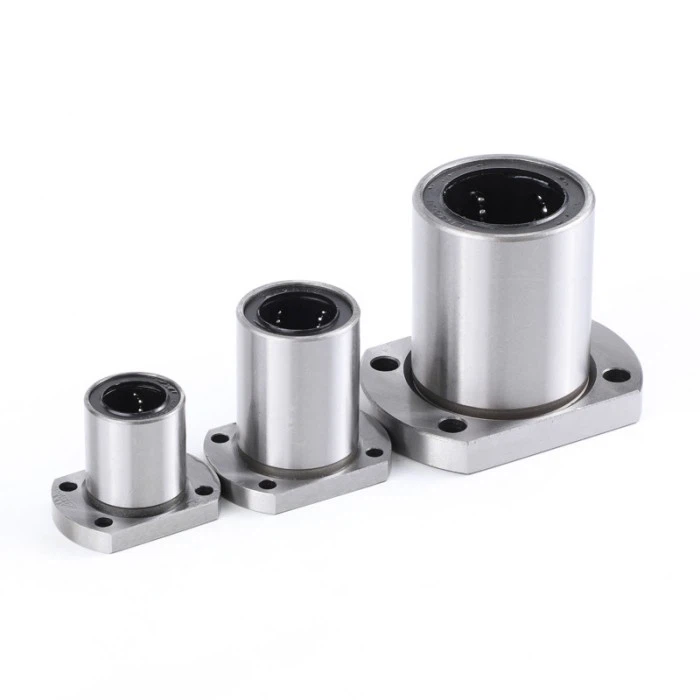

If you have any questions or need assistance in selecting the right linear flange bearing for your application, please don't hesitate to contact us. Our team of experts is here to help you find the best solution for your needs. We look forward to the opportunity to work with you and discuss your procurement requirements.
References
- Harris, T. A., & Kotzalas, M. N. (2007). Rolling Bearing Analysis. Wiley.
- Schaeffler Group. (2019). Rolling Bearing Catalog.
- Timken Company. (2020). Engineering Manual.


