


Are nylon bearing rollers cost - effective? Well, that's a question I get asked a lot as a nylon bearing roller supplier. Let's dive right in and break it down.
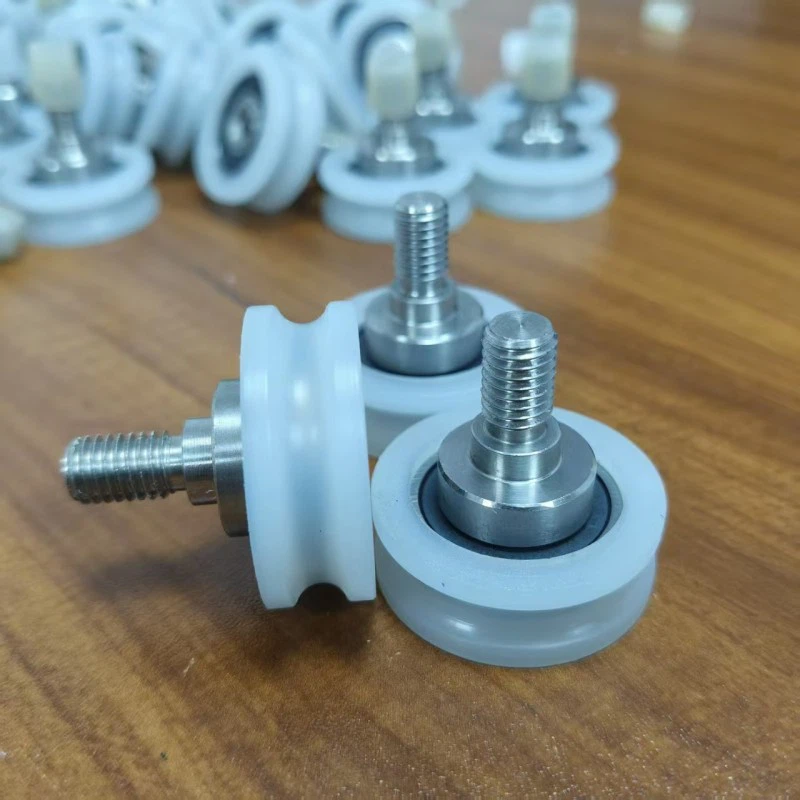
First off, what are nylon bearing rollers? Nylon bearing rollers are components used in various machinery and equipment. They're made from nylon, a synthetic polymer known for its durability, low friction, and resistance to wear and tear. These rollers are designed to reduce friction between moving parts, which in turn helps to improve the efficiency and lifespan of the machinery.
Now, let's talk about cost. When it comes to purchasing parts for machinery, cost is always a major consideration. Nylon bearing rollers are generally more affordable than their metal counterparts. Metal rollers, such as those made from steel or aluminum, can be quite expensive due to the cost of raw materials and the manufacturing processes involved. On the other hand, nylon is a relatively inexpensive material, and the production of nylon bearing rollers is often more straightforward, resulting in lower costs.
But cost - effectiveness isn't just about the upfront price. It also involves the long - term savings and performance. Nylon bearing rollers have several features that contribute to their long - term cost - effectiveness.
One of the key advantages is their low friction coefficient. Because they have less friction when in contact with other parts, they require less energy to operate. This means that machinery using nylon bearing rollers can consume less power, which translates into lower electricity bills over time. For example, in a conveyor system, using nylon bearing rollers can significantly reduce the energy needed to move the conveyor belt, leading to substantial savings in the long run.
Another important factor is their resistance to corrosion. Unlike metal rollers, nylon bearing rollers don't rust or corrode when exposed to moisture or chemicals. This is a huge advantage in industries where the equipment is often in contact with water, acids, or other corrosive substances. For instance, in food processing plants or chemical manufacturing facilities, the use of nylon bearing rollers can prevent costly damage to the machinery due to corrosion. You won't have to worry about replacing corroded rollers frequently, which saves both time and money.
Nylon bearing rollers are also lightweight. This is beneficial in applications where weight is a concern, such as in aerospace or automotive industries. Lighter parts mean less stress on other components of the machinery, which can extend the overall lifespan of the equipment. Additionally, it can reduce the fuel consumption of vehicles or the energy requirements of aircraft, resulting in cost savings.
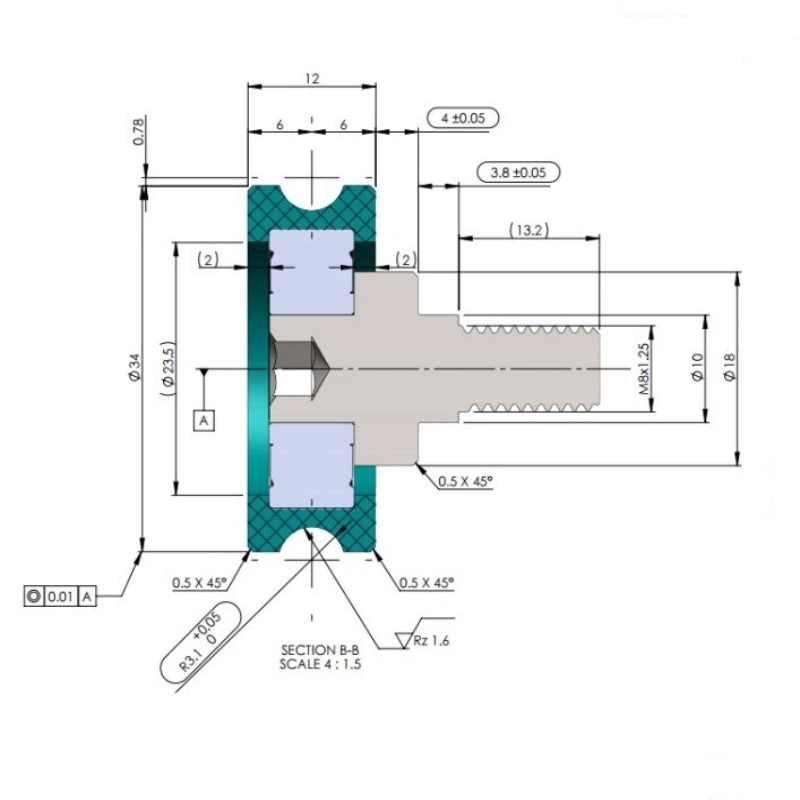
Let's take a look at some of the specific products we offer. We have the S696ZZ Rubber Coated Bearing with M6 Screw. This product combines the advantages of nylon with a rubber coating, which provides additional grip and shock absorption. It's suitable for a wide range of applications, from small - scale machinery to larger industrial equipment.
Another great option is the S698ZZ Rubber Coated Bearing with M810Screw. Similar to the S696ZZ, it offers excellent performance and durability. The M810 screw provides a secure connection, ensuring that the roller stays in place during operation.
We also have the External Thread Sliding Pulley 6000RS. This pulley is designed for smooth sliding and can be used in various sliding mechanisms. Its nylon construction makes it lightweight and resistant to wear, making it a cost - effective choice for many applications.
Of course, like any product, nylon bearing rollers do have some limitations. They may not be as strong as metal rollers in high - load applications. In situations where the machinery is subjected to extremely heavy loads, metal rollers might be a better option. However, for most common industrial and commercial applications, nylon bearing rollers offer a great balance of cost and performance.
In terms of maintenance, nylon bearing rollers are relatively easy to take care of. They don't require frequent lubrication like some metal rollers. A simple cleaning from time to time to remove dirt and debris is usually sufficient to keep them in good working condition. This reduces the maintenance costs and downtime of the machinery.
When it comes to installation, nylon bearing rollers are often easier to install than metal rollers. Their lightweight nature makes them easier to handle, and they can usually be installed without the need for specialized tools. This means that you can save on labor costs during the installation process.
To sum it up, nylon bearing rollers are definitely cost - effective for a wide range of applications. They offer a combination of low upfront cost, long - term savings in energy and maintenance, and good performance. Whether you're running a small workshop or a large industrial plant, nylon bearing rollers can be a smart choice for your machinery.
If you're interested in learning more about our nylon bearing rollers or are looking to make a purchase, I encourage you to reach out. We're always happy to discuss your specific needs and provide you with the best solutions. Contact us to start a conversation about how our nylon bearing rollers can benefit your business.
References
- General knowledge about nylon materials and bearing roller applications in industrial machinery.
- Industry reports on the cost - effectiveness of different types of bearing rollers.


