


Selecting the appropriate cage material for a linear ball bearing is a critical decision that can significantly impact the performance, longevity, and overall efficiency of the bearing. As a reputable linear ball bearing supplier, I understand the importance of this choice and am here to guide you through the process.
Understanding the Role of the Cage in a Linear Ball Bearing
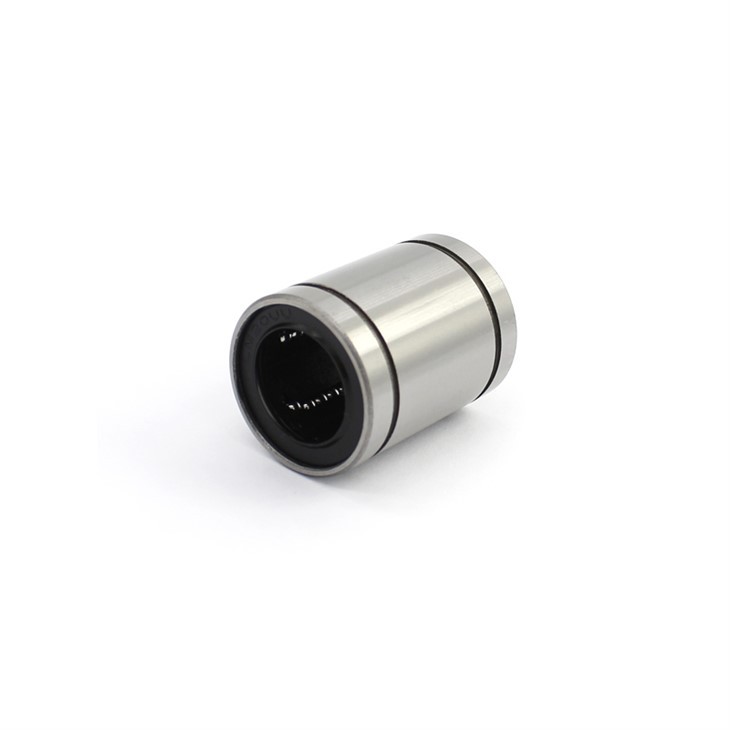
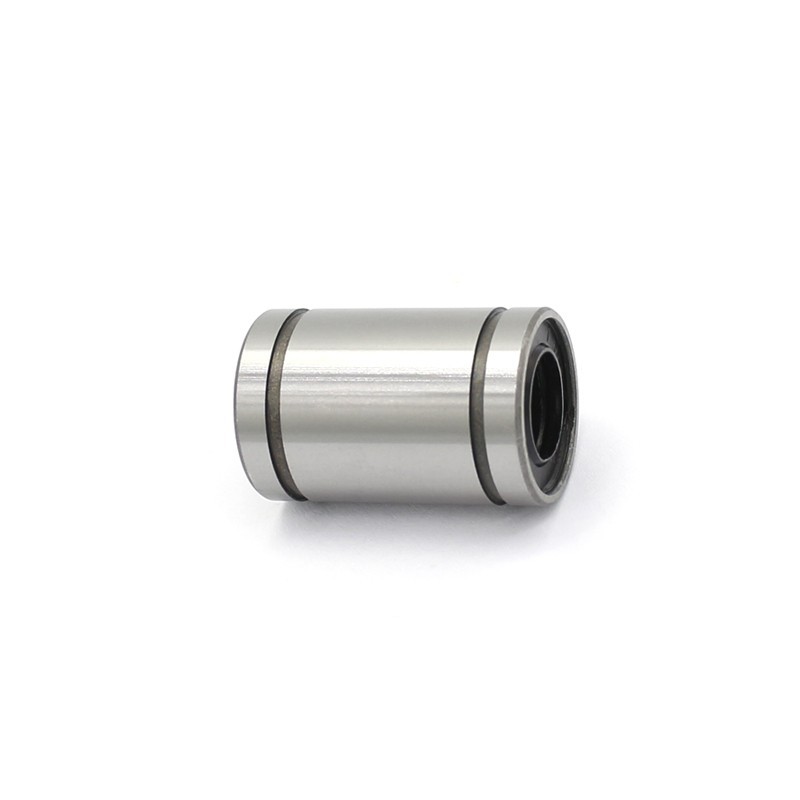
Before delving into the selection of cage materials, it's essential to understand the role of the cage in a linear ball bearing. The cage, also known as the retainer, serves several crucial functions. Firstly, it separates the balls evenly within the bearing, preventing them from contacting each other and reducing friction and wear. Secondly, it maintains the proper alignment of the balls, ensuring smooth and consistent motion. Finally, the cage helps to distribute the load evenly across the balls, enhancing the bearing's load - carrying capacity.
Factors to Consider When Selecting Cage Materials
1. Operating Environment
The operating environment is one of the most significant factors to consider when choosing a cage material. Different environments present unique challenges, such as temperature, humidity, and exposure to chemicals or contaminants.
- High - Temperature Environments: In applications where the bearing is exposed to high temperatures, materials with good heat resistance are required. For example, phenolic resin cages can withstand temperatures up to 120°C, while polyamide 46 cages can handle temperatures up to 150°C. These materials maintain their mechanical properties at elevated temperatures, ensuring the cage's integrity and the bearing's performance.
- Corrosive Environments: When the bearing operates in a corrosive environment, such as in the presence of chemicals or saltwater, corrosion - resistant materials are essential. Stainless steel cages are a popular choice in such applications due to their excellent corrosion resistance. They can withstand a wide range of corrosive substances, protecting the cage and the balls from damage.
2. Load and Speed Requirements
The load and speed at which the bearing operates also influence the choice of cage material.
- High - Load Applications: In high - load applications, the cage needs to be strong enough to withstand the forces exerted on it. Brass cages are often used in these situations because of their high strength and good load - carrying capacity. They can effectively distribute the load across the balls, preventing premature failure of the cage.
- High - Speed Applications: For high - speed applications, lightweight materials with low friction coefficients are preferred. Polyamide cages are ideal for high - speed bearings as they are lightweight and have self - lubricating properties. This reduces the energy consumption of the bearing and minimizes heat generation, allowing the bearing to operate at high speeds without overheating.
3. Cost Considerations
Cost is always a factor in any engineering decision. While high - performance materials may offer better properties, they often come at a higher cost. It's important to balance the performance requirements of the application with the budget available. For less demanding applications, less expensive materials such as steel or plastic cages may be sufficient. However, for critical applications where performance and reliability are paramount, investing in higher - quality cage materials may be necessary.
Common Cage Materials and Their Properties
1. Steel Cages
Steel cages are widely used in linear ball bearings due to their high strength, durability, and relatively low cost. They are suitable for a wide range of applications, including high - load and high - speed operations. Steel cages can be made from different grades of steel, such as carbon steel or stainless steel. Carbon steel cages are strong and have good wear resistance, while stainless steel cages offer excellent corrosion resistance.
2. Brass Cages
Brass cages are known for their high strength, good machinability, and excellent load - carrying capacity. They are often used in heavy - duty applications where the bearing is subjected to high loads. Brass cages also have good thermal conductivity, which helps to dissipate heat generated during operation.
3. Plastic Cages
Plastic cages, such as polyamide and phenolic resin, have become increasingly popular in recent years due to their lightweight, self - lubricating properties, and low cost. Polyamide cages are commonly used in high - speed applications because of their low friction coefficient and good chemical resistance. Phenolic resin cages, on the other hand, offer good heat resistance and dimensional stability.
4. Stainless Steel Cages
Stainless steel cages are ideal for applications where corrosion resistance is a primary concern. They can withstand a wide range of corrosive substances, making them suitable for use in the food processing, chemical, and marine industries. Stainless steel cages also have good strength and durability, ensuring long - term performance in harsh environments.
Examples of Applications and Suitable Cage Materials
1. Industrial Automation
In industrial automation applications, such as robotic arms and conveyor systems, high - speed and smooth operation are essential. Polyamide cages are often used in these applications because of their lightweight and low friction properties. They allow the bearing to operate at high speeds with minimal energy consumption and noise. For example, in a robotic arm that requires precise and rapid movement, Linear Roller Bearings with polyamide cages can provide the necessary performance.
2. Machine Tools
Machine tools, such as lathes and milling machines, typically operate under high loads and require high - precision bearings. Brass cages are commonly used in these applications due to their high strength and good load - carrying capacity. They can withstand the heavy forces exerted on the bearing during machining operations, ensuring the accuracy and reliability of the machine tool. The LM10UU Bearing with a brass cage is a popular choice for many machine tool applications.
3. Food Processing
In the food processing industry, bearings need to be made of materials that are safe for use in contact with food and resistant to corrosion. Stainless steel cages are the preferred choice in these applications as they are hygienic, corrosion - resistant, and easy to clean. The LM16UU Bearing with a stainless steel cage is suitable for food processing equipment, such as conveyors and mixers.
Conclusion
Selecting the appropriate cage material for a linear ball bearing is a complex decision that requires careful consideration of various factors, including the operating environment, load and speed requirements, and cost. By understanding the properties of different cage materials and matching them to the specific application requirements, you can ensure the optimal performance and longevity of your linear ball bearings.
As a professional linear ball bearing supplier, we have extensive experience in helping customers select the right cage materials for their applications. If you are in the process of choosing a linear ball bearing or need advice on cage material selection, please feel free to contact us for further discussion and procurement negotiation. We are committed to providing you with high - quality products and professional services to meet your specific needs.
References
- "Bearing Handbook" by SKF
- "Mechanical Design Handbook" by Shigley and Mischke
- Technical literature from bearing manufacturers such as NSK and Timken


