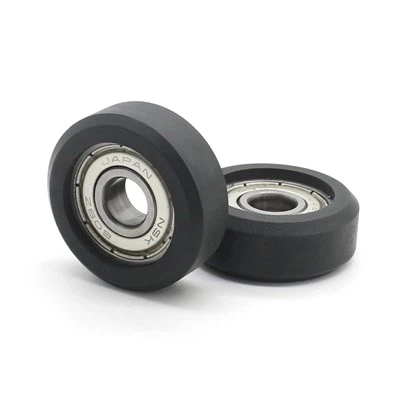
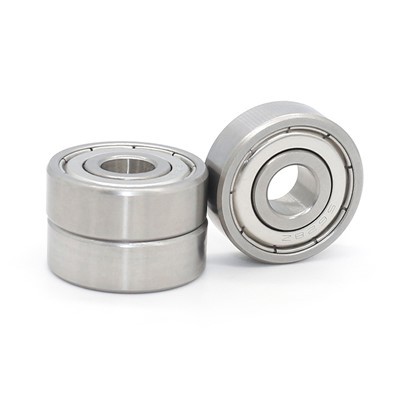
Screw bearings are crucial components in various industrial applications, from machinery to automotive systems. However, one of the most significant challenges they face is corrosion, which can lead to reduced performance, shorter lifespan, and increased maintenance costs. As a screw bearing supplier, we understand the importance of enhancing the corrosion resistance of these bearings to ensure their reliability and durability. In this blog post, we will explore several effective strategies to improve the corrosion resistance of screw bearings.
Understanding Corrosion in Screw Bearings
Before delving into the solutions, it is essential to understand the causes and types of corrosion that screw bearings may encounter. Corrosion is a natural process that occurs when metals react with their environment, typically oxygen, water, or chemicals. In the case of screw bearings, common types of corrosion include:
- Oxidation: This is the most common form of corrosion, where the metal reacts with oxygen in the air to form metal oxides. Rust is a well - known example of oxidation in iron and steel bearings.
- Galvanic Corrosion: When two different metals are in contact in the presence of an electrolyte (such as water), a galvanic cell is formed. This can cause accelerated corrosion of the less noble metal.
- Pitting Corrosion: Localized corrosion that results in the formation of small pits on the surface of the bearing. This can be particularly dangerous as it can lead to sudden failure of the bearing.
Material Selection
One of the fundamental ways to improve the corrosion resistance of screw bearings is through careful material selection.
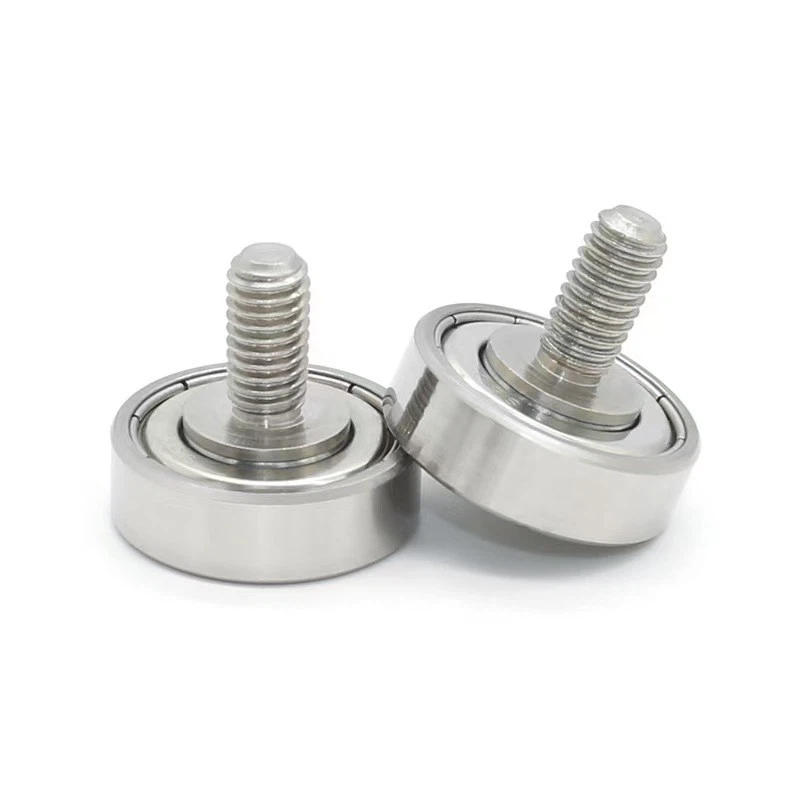
- Stainless Steel: Stainless steel is an excellent choice for applications where corrosion is a concern. It contains chromium, which forms a passive oxide layer on the surface of the metal, protecting it from further oxidation. For example, bearings made from 304 or 316 stainless steel offer good corrosion resistance in a wide range of environments, including those with moderate levels of moisture and chemicals. You can find our External Threaded Bearing 6002ZZ With Screw in stainless steel, which provides enhanced protection against corrosion.
- Ceramics: Ceramic bearings are another option for highly corrosive environments. They are non - metallic and therefore do not corrode in the same way as metal bearings. Ceramic materials such as silicon nitride (Si₃N₄) or zirconia (ZrO₂) offer excellent corrosion resistance, high hardness, and low friction. However, they are generally more expensive than metal bearings.
Surface Treatments
Surface treatments can significantly enhance the corrosion resistance of screw bearings.
- Galvanizing: Galvanizing involves coating the bearing with a layer of zinc. Zinc acts as a sacrificial anode, meaning it corrodes preferentially to the base metal. This provides a protective barrier and extends the lifespan of the bearing. Galvanized bearings are commonly used in outdoor applications where they are exposed to moisture and air.
- Electroplating: Electroplating can be used to apply a thin layer of corrosion - resistant metal, such as nickel or chrome, to the surface of the bearing. These coatings not only provide corrosion protection but also improve the appearance and wear resistance of the bearing.
- Powder Coating: Powder coating is a process where a dry powder is electrostatically applied to the bearing and then cured under heat to form a hard, protective finish. Powder coatings can provide excellent corrosion resistance and are available in a variety of colors.
Lubrication
Proper lubrication is essential for preventing corrosion in screw bearings.
- Corrosion - Inhibiting Lubricants: These lubricants contain additives that form a protective film on the surface of the bearing, preventing moisture and oxygen from reaching the metal. They also help to reduce friction and wear, which can further enhance the performance and lifespan of the bearing.
- Regular Lubrication Maintenance: It is important to establish a regular lubrication schedule to ensure that the bearings are always adequately lubricated. This may involve checking the lubricant level, replacing worn - out lubricant, and repackaging the bearings with fresh lubricant.
Environmental Control
Reducing the exposure of screw bearings to corrosive environments can also help to improve their corrosion resistance.
- Sealing: Using high - quality seals and gaskets can prevent moisture, dust, and other contaminants from entering the bearing. This is particularly important in applications where the bearings are exposed to harsh environments, such as in the food processing or chemical industries.
- Humidity and Temperature Control: Maintaining a stable environment with controlled humidity and temperature can also reduce the risk of corrosion. In some cases, it may be necessary to use dehumidifiers or heaters to keep the environment within the optimal range for the bearings.
Quality Control and Inspection
As a screw bearing supplier, we implement strict quality control measures to ensure that our bearings meet the highest standards of corrosion resistance.
- Material Testing: We conduct thorough testing on all raw materials to ensure that they have the required chemical composition and mechanical properties. This includes testing for corrosion resistance using various methods, such as salt spray testing.
- Final Inspection: Before shipping our bearings, we perform a final inspection to check for any signs of damage or corrosion. This helps to ensure that only high - quality, corrosion - resistant bearings reach our customers.
Conclusion
Improving the corrosion resistance of screw bearings is a multi - faceted process that involves material selection, surface treatments, lubrication, environmental control, and quality control. By implementing these strategies, we can provide our customers with screw bearings that are more reliable, durable, and cost - effective.
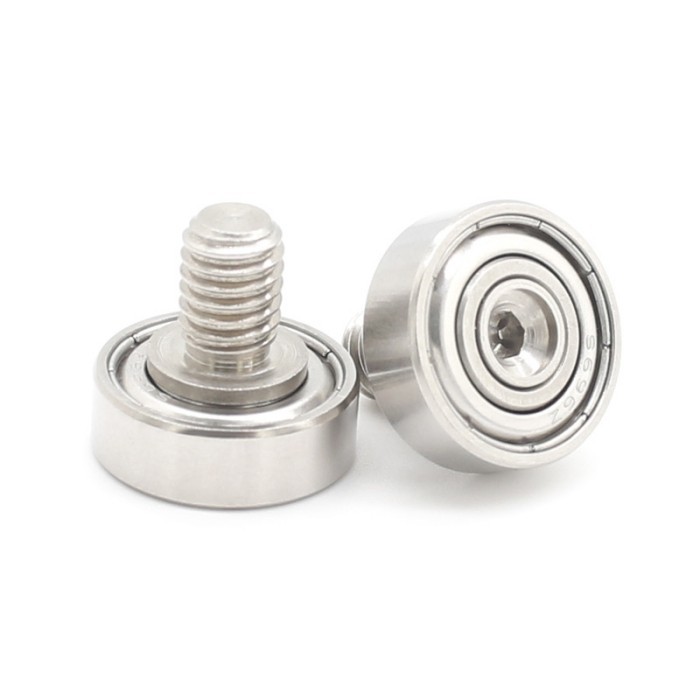
If you are in the market for high - quality, corrosion - resistant screw bearings, we invite you to explore our Screw BearingsS609ZZ and Screw BearingsS696ZZ products. Our team of experts is ready to assist you in selecting the right bearings for your specific application. Contact us today to start a procurement discussion and find the best solutions for your needs.
References
- ASM Handbook Volume 13A: Corrosion: Fundamentals, Testing, and Protection. ASM International.
- Schmid, S., & Erdemir, A. (Eds.). (2017). Tribology of Engineered Surfaces. Springer.
- Kutz, M. (Ed.). (2018). Mechanical Engineers' Handbook: Materials and Mechanical Design. Wiley.