


As a seasoned V groove pulley supplier, I've witnessed firsthand the significance of proper belt tension on V groove pulleys. Whether you're in the industrial sector, automotive field, or even dealing with sliding doors, getting the belt tension right is crucial for optimal performance and longevity of your equipment. In this blog, I'll share some in - depth knowledge on how to adjust the tension of a belt on a V groove pulley.
Understanding the Importance of Proper Belt Tension
Before delving into the adjustment process, it's essential to understand why proper belt tension matters. When a belt is too loose on a V groove pulley, it can slip. This slipping not only reduces the efficiency of power transmission but also leads to increased wear and tear on the belt itself. Over time, a loose belt may cause the equipment to underperform, resulting in decreased productivity and potential breakdowns.
On the other hand, if the belt is too tight, it can put excessive stress on the bearings of the pulley, leading to premature bearing failure. It also increases the load on the motor or power source, which can lead to higher energy consumption and possible motor burnout. Therefore, finding the right balance is key to ensuring smooth operation and extending the lifespan of your V groove pulley system.
Tools Required for Belt Tension Adjustment
To adjust the belt tension on a V groove pulley, you'll need a few basic tools:
- Tension Gauge: This tool is used to measure the tension of the belt accurately. There are different types of tension gauges available, such as spring - loaded and digital gauges. A digital gauge is often more precise and easier to read.
- Wrenches: Depending on the design of your pulley system, you may need a set of wrenches to loosen and tighten the bolts that hold the pulley in place or adjust the position of the motor or other components.
- Screwdrivers: In some cases, you may need screwdrivers to access and adjust certain parts of the pulley system.
- Safety Equipment: Always wear safety glasses and gloves to protect yourself from any potential hazards during the adjustment process.
Step - by - Step Guide to Adjusting Belt Tension
Step 1: Inspect the Belt and Pulley
Before making any adjustments, carefully inspect the belt and the V groove pulley. Look for signs of wear, such as cracks, fraying, or glazing on the belt. Check the pulley for any damage, such as nicks or uneven surfaces. If you notice any significant damage, it's advisable to replace the belt or pulley before proceeding with the tension adjustment.
Step 2: Determine the Recommended Tension
The recommended belt tension can usually be found in the equipment's manual or the belt manufacturer's specifications. This value is typically given in pounds or Newtons. If you don't have access to the manual, you can also refer to the general guidelines provided by the industry. For example, for light - duty applications, the belt tension may be relatively lower compared to heavy - duty industrial applications.

Step 3: Loosen the Mounting Bolts
Using the appropriate wrenches, loosen the mounting bolts that hold the pulley or the motor in place. This will allow you to move the pulley or the motor to adjust the belt tension. Be careful not to loosen the bolts too much, as you don't want the pulley or motor to move out of alignment completely.
Step 4: Measure the Initial Belt Tension
Place the tension gauge on the belt at a specific point, usually in the middle of the span between the two pulleys. Follow the instructions provided with the tension gauge to take an accurate measurement of the initial belt tension. Compare this value with the recommended tension.
Step 5: Adjust the Belt Tension
If the measured tension is too low, you need to increase the tension. To do this, move the pulley or the motor away from the other pulley to stretch the belt. Tighten the mounting bolts slightly to hold the new position. Then, re - measure the belt tension using the tension gauge. Repeat this process until the tension reaches the recommended value.
If the measured tension is too high, you need to decrease the tension. Move the pulley or the motor closer to the other pulley to relieve the stress on the belt. Again, tighten the mounting bolts and re - measure the tension until it is within the recommended range.
Step 6: Check the Alignment
After adjusting the belt tension, it's important to check the alignment of the pulleys. Misaligned pulleys can cause uneven belt wear and reduce the efficiency of the system. You can use a straightedge or a laser alignment tool to ensure that the pulleys are properly aligned.
Step 7: Re - check the Belt Tension
Once you've adjusted the alignment, re - check the belt tension one more time to make sure it's still within the recommended range. If necessary, make any minor adjustments to the tension.
Special Considerations for Different Types of V Groove Pulleys
Sliding Door V Groove Rubber Pulley
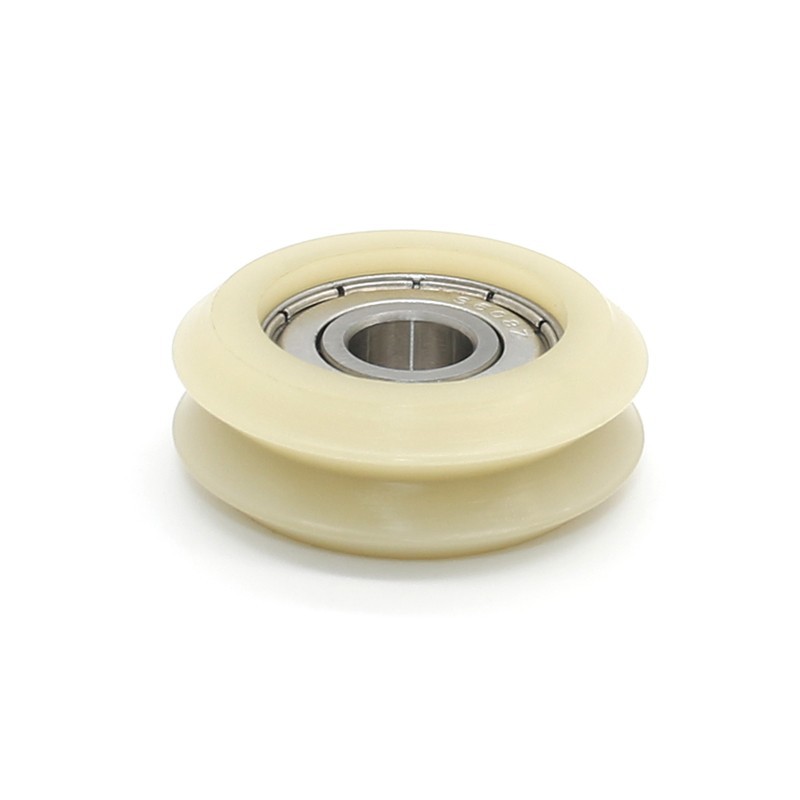
For Sliding Door V Groove Rubber Pulley, the belt tension adjustment process is similar to that of other V groove pulleys. However, due to the nature of sliding door applications, the belt tension needs to be carefully balanced to ensure smooth and quiet operation of the door. A loose belt may cause the door to rattle or not slide smoothly, while a too - tight belt can put excessive stress on the door mechanism.
606ZZ Bearing Pulley
The 606ZZ Bearing Pulley is commonly used in various applications. When adjusting the belt tension on this type of pulley, pay special attention to the bearings. Excessive belt tension can damage the bearings, leading to premature failure. Make sure to follow the recommended tension values and use a tension gauge to ensure accurate adjustment.
Tips for Maintaining Proper Belt Tension
- Regular Inspections: Conduct regular inspections of the belt and pulley system to check for any signs of wear or changes in tension. This can help you catch any issues early and prevent major problems.
- Keep the System Clean: Dirt, debris, and oil can affect the performance of the belt and pulley. Keep the system clean by wiping it down regularly and using appropriate cleaning agents if necessary.
- Follow Manufacturer's Recommendations: Always follow the manufacturer's recommendations regarding belt replacement intervals, tension adjustment, and lubrication. This will ensure that your V groove pulley system operates at its best.
Conclusion
Adjusting the belt tension on a V groove pulley is a relatively straightforward process if you follow the right steps and use the appropriate tools. By maintaining proper belt tension, you can improve the efficiency, reliability, and lifespan of your V groove pulley system. As a V groove pulley supplier, I'm committed to providing high - quality products and sharing valuable knowledge with our customers. If you have any questions about belt tension adjustment or need to purchase V groove pulleys, feel free to contact us for further discussion and procurement.
References
- Machinery's Handbook
- Belt Manufacturer's Specifications
- Industry Standards for V Groove Pulley Systems


