


Hey there, fellow engine enthusiasts! As a camshaft follower supplier, I get asked a ton of questions about these crucial engine components. One of the most common queries I hear is, "How often should camshaft followers be replaced?" Well, buckle up because I'm about to break it down for you.
Understanding Camshaft Followers
First things first, let's quickly go over what camshaft followers are and what they do. Camshaft followers, also known as cam followers or tappets, are small but mighty parts in an engine. They ride on the camshaft lobes and transfer the motion of the camshaft to other engine components, like the valves. This transfer of motion is what allows the engine to intake air and fuel and expel exhaust gases at the right times.
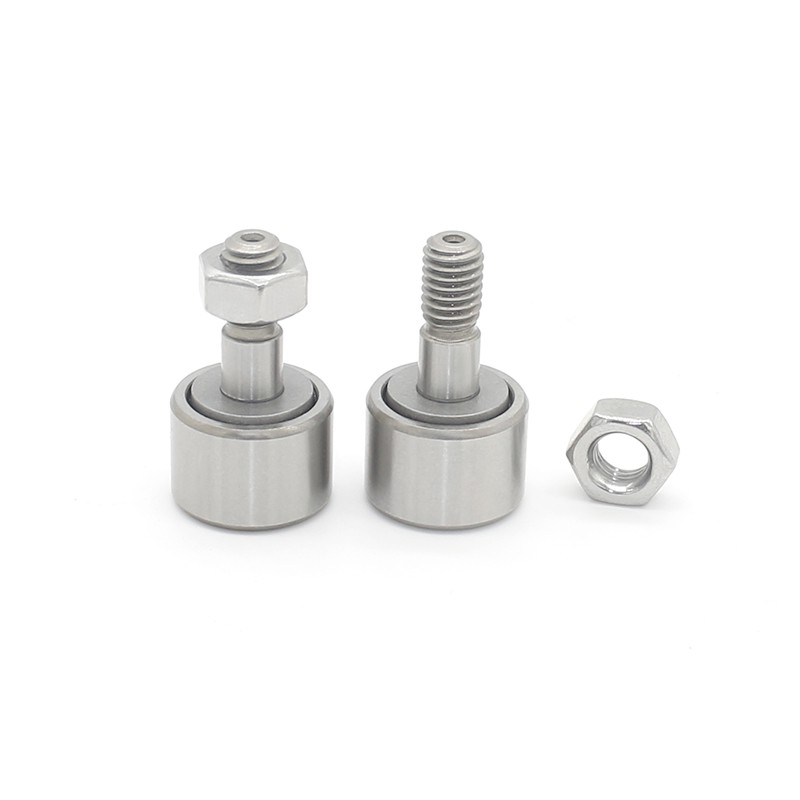
There are different types of camshaft followers out there, including roller followers and flat followers. Roller followers have a roller that rolls along the camshaft lobe, which reduces friction and wear. Flat followers, on the other hand, have a flat surface that slides along the lobe. Each type has its own advantages and disadvantages, but they all play a vital role in the engine's operation.
Factors Affecting Replacement Frequency
Now, let's get to the million-dollar question: how often should you replace camshaft followers? Well, the answer isn't as straightforward as you might think. There are several factors that can affect the lifespan of camshaft followers, including:
1. Engine Type and Design
Different engines have different operating conditions and requirements. For example, high-performance engines that operate at high RPMs and produce a lot of power put more stress on the camshaft followers. These engines may require more frequent replacement of the followers compared to standard, everyday engines.
2. Driving Conditions
Your driving habits and the conditions in which you drive also play a big role. If you do a lot of stop-and-go driving in heavy traffic, your engine will be operating under more stress than if you mainly drive on the highway. Similarly, if you frequently tow heavy loads or drive in extreme temperatures, the camshaft followers will experience more wear and tear.
3. Maintenance and Lubrication
Proper maintenance is key to ensuring the longevity of your camshaft followers. Regular oil changes are essential because the oil lubricates the followers and reduces friction. If the oil isn't changed regularly, it can become contaminated and lose its lubricating properties, which can lead to premature wear of the followers.
4. Quality of the Camshaft Followers
Not all camshaft followers are created equal. Higher-quality followers are typically made from better materials and are more durable. If you invest in high-quality camshaft followers from a reputable supplier, they are likely to last longer than cheaper, lower-quality alternatives.
General Guidelines for Replacement
While there's no one-size-fits-all answer to how often camshaft followers should be replaced, there are some general guidelines you can follow.
For Most Standard Engines
In a standard, everyday engine that is well-maintained and driven under normal conditions, camshaft followers can last anywhere from 100,000 to 150,000 miles. However, it's important to note that this is just an estimate, and you should always refer to your vehicle's owner's manual for the manufacturer's recommendations.
For High-Performance Engines
High-performance engines, as mentioned earlier, put more stress on the camshaft followers. In these engines, the followers may need to be replaced every 50,000 to 75,000 miles. Again, this can vary depending on the specific engine and how it's used.
Signs That Camshaft Followers Need to be Replaced
Even if you're following the general guidelines, it's important to keep an eye out for signs that your camshaft followers may need to be replaced. Some common signs include:

1. Ticking or Knocking Noises
If you hear a ticking or knocking noise coming from the engine, it could be a sign of worn camshaft followers. The noise is usually more noticeable when the engine is cold and may decrease as the engine warms up.
2. Loss of Power
Worn camshaft followers can cause a loss of power in the engine. This is because they may not be able to transfer the motion of the camshaft to the valves properly, which can affect the engine's performance.
3. Poor Fuel Economy
If you notice that your vehicle's fuel economy has decreased, it could be due to worn camshaft followers. The engine may have to work harder to compensate for the inefficient operation of the followers, which can result in increased fuel consumption.
4. Check Engine Light
In some cases, a worn camshaft follower can trigger the check engine light. If the light comes on, it's important to have your vehicle diagnosed by a professional mechanic to determine the cause.
Our Camshaft Follower Offerings
As a camshaft follower supplier, we offer a wide range of high-quality camshaft followers to meet the needs of different engines. Our Stainless Steel Cam Followers are made from premium stainless steel, which provides excellent durability and resistance to corrosion. They are designed to withstand the rigors of high-performance engines and extreme operating conditions.
We also offer Stainless Steel Camshafts that are specifically engineered to work in harmony with our camshaft followers. Our camshafts are precision-machined to ensure smooth operation and optimal performance.
Conclusion
So, there you have it! The frequency of camshaft follower replacement depends on a variety of factors, including engine type, driving conditions, maintenance, and the quality of the followers. By following the general guidelines and keeping an eye out for signs of wear, you can ensure that your engine's camshaft followers are replaced at the right time.
If you're in the market for high-quality camshaft followers or have any questions about our products, don't hesitate to reach out. We're here to help you keep your engine running smoothly. Whether you're a professional mechanic or a DIY enthusiast, we've got the camshaft followers you need. Contact us today to start the procurement process and let's get your engine back in top shape!
References
- Automotive Engine Design and Technology Handbook
- Engine Maintenance and Repair Manuals


