


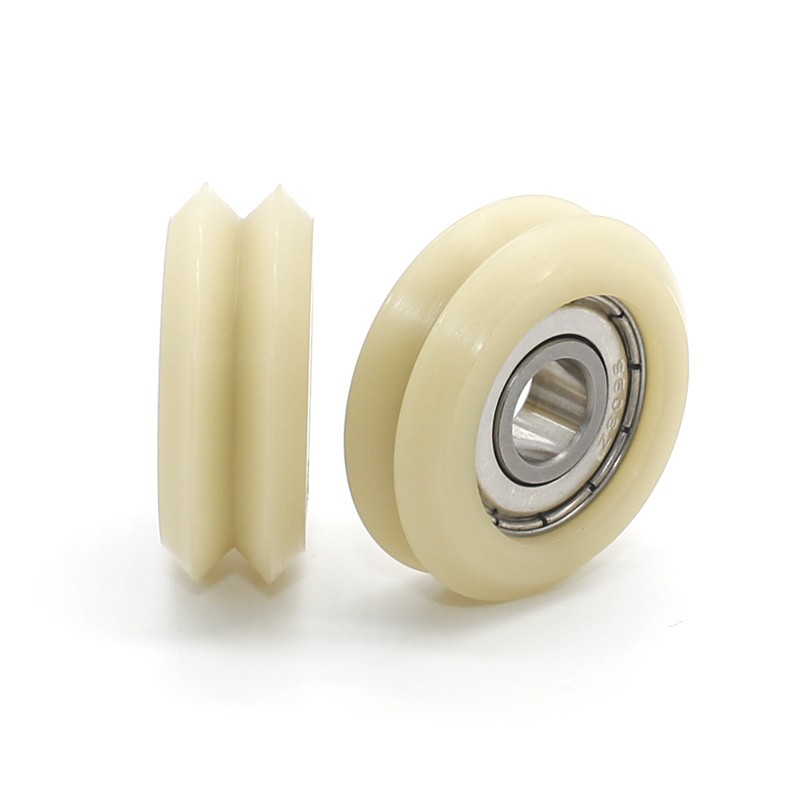
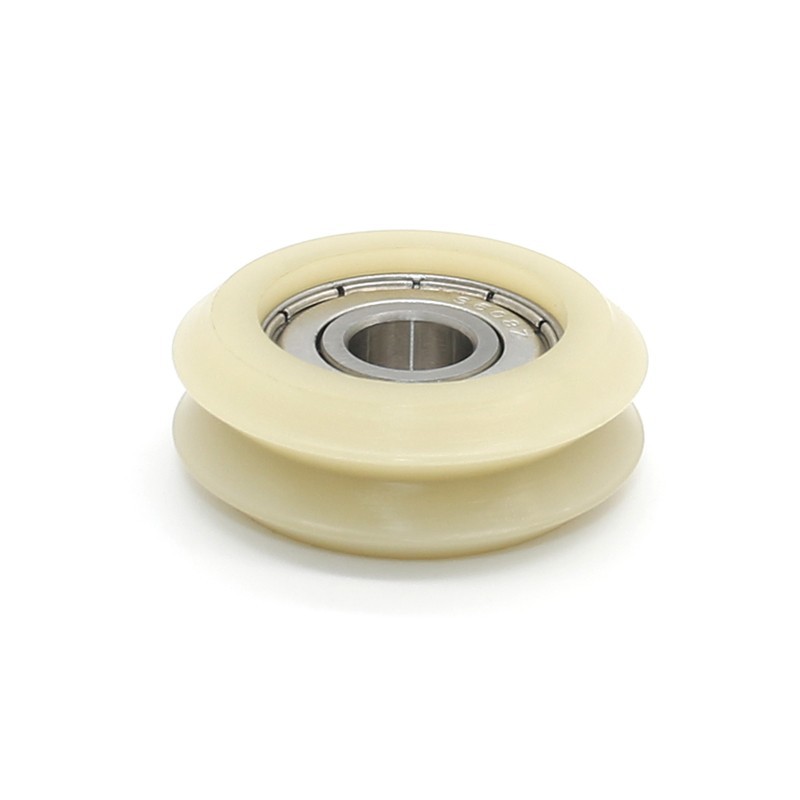
As a supplier of V groove pulleys, ensuring the dynamic balance of these pulleys is of utmost importance. Dynamic balance refers to the state where the rotating parts of a pulley, such as the wheel and the shaft, have an even distribution of mass around the axis of rotation. This balance is crucial for the smooth operation of machinery and equipment that use V groove pulleys, as it reduces vibration, noise, and wear, and extends the service life of the pulleys and related components.
Understanding the Basics of Dynamic Balance
Before delving into the methods of ensuring dynamic balance, it is essential to understand the basic principles. When a V groove pulley rotates, any uneven distribution of mass can cause centrifugal forces. These forces can lead to vibrations, which not only affect the performance of the pulley but also the entire system. For example, in a conveyor belt system, an unbalanced V groove pulley can cause the belt to slip, resulting in inefficient operation and potential damage to the belt and other components.
The dynamic balance of a V groove pulley is typically measured in terms of the amount of unbalance and its location. The unbalance is usually expressed in grams per millimeter (g·mm), which represents the product of the mass and the distance from the axis of rotation. The location of the unbalance is determined by the angle around the circumference of the pulley.
Factors Affecting the Dynamic Balance of V Groove Pulleys
Several factors can affect the dynamic balance of V groove pulleys. These include:
- Material Inhomogeneity: The quality and uniformity of the material used to manufacture the pulley can have a significant impact on its balance. Variations in density or composition within the material can lead to uneven mass distribution.
- Manufacturing Tolerances: During the manufacturing process, there are always some tolerances in the dimensions and shape of the pulley. These tolerances can cause small deviations from the ideal balance, especially if they are not properly controlled.
- Assembly Errors: When the pulley is assembled with other components, such as bearings or shafts, errors in alignment or installation can introduce unbalance. For example, if the pulley is not centered correctly on the shaft, it can cause an uneven distribution of mass.
- Wear and Tear: Over time, the pulley may experience wear and tear due to friction, corrosion, or other factors. This can change the mass distribution of the pulley and affect its balance.
Methods for Ensuring Dynamic Balance
To ensure the dynamic balance of V groove pulleys, several methods can be employed. These methods can be divided into two main categories: preventive measures during manufacturing and corrective measures after manufacturing.
Preventive Measures
- Material Selection and Inspection: Choosing high-quality materials with uniform density and composition is crucial. Before using the material, it should be inspected to ensure that it meets the required standards. This can help minimize the potential for material-related unbalance.
- Precision Manufacturing: Using advanced manufacturing techniques and equipment can help reduce manufacturing tolerances and ensure the accuracy of the pulley's dimensions and shape. For example, computer numerical control (CNC) machining can provide high precision and repeatability.
- Proper Assembly: During the assembly process, strict quality control measures should be implemented to ensure that the pulley is correctly aligned and installed. This includes using appropriate tools and fixtures to ensure accurate positioning.
Corrective Measures
- Static Balancing: Static balancing is a simple method that involves placing the pulley on a horizontal axis and adjusting the position of weights until the pulley remains stationary in any position. This method can be used to correct large unbalances in the pulley.
- Dynamic Balancing Machines: Dynamic balancing machines are more sophisticated and accurate than static balancing methods. These machines use sensors to measure the vibration and unbalance of the pulley while it is rotating. Based on the measurement results, the machine can automatically calculate the amount and location of the unbalance and then add or remove weights to correct it.
- On-Site Balancing: In some cases, it may be necessary to perform on-site balancing of the V groove pulley. This can be done using portable balancing equipment, which allows for quick and easy balancing without removing the pulley from the machine.
Importance of Dynamic Balance in Different Applications
The importance of dynamic balance varies depending on the application of the V groove pulley. Here are some examples:
- Sliding Door Systems: In sliding door systems, the smooth operation of the door depends on the proper functioning of the V groove pulleys. An unbalanced pulley can cause the door to shake or stick, which can affect the user experience and the durability of the door. For a high-quality Sliding Door V Groove Rubber Pulley, dynamic balance is essential to ensure quiet and smooth movement.
- Conveyor Belt Systems: Conveyor belt systems are widely used in industries such as manufacturing, logistics, and mining. An unbalanced V groove pulley in a conveyor belt system can cause the belt to wear unevenly, leading to premature failure and increased maintenance costs. By ensuring the dynamic balance of the pulleys, the efficiency and reliability of the conveyor belt system can be improved.
- Automotive Applications: In automotive engines and transmissions, V groove pulleys are used to drive various components such as the alternator, water pump, and power steering pump. An unbalanced pulley can cause excessive vibration and noise, which can affect the comfort and performance of the vehicle. For example, a well-balanced 606ZZ Bearing Pulley can contribute to the smooth operation of the engine.
Quality Control and Testing
To ensure that the V groove pulleys meet the required dynamic balance standards, rigorous quality control and testing procedures should be implemented. This includes:
- In-Process Inspection: During the manufacturing process, regular inspections should be carried out to monitor the quality of the pulley and detect any potential issues early. This can include dimensional checks, material inspections, and balance measurements.
- Final Testing: Before the pulleys are shipped to the customers, they should undergo final testing to ensure that they meet the specified dynamic balance requirements. This can be done using dynamic balancing machines or other testing equipment.
- Certification: Providing customers with certification of the dynamic balance of the pulleys can help build trust and confidence in the product. This certification should include information such as the balance grade, the measurement method, and the test results.
Conclusion
Ensuring the dynamic balance of V groove pulleys is essential for the smooth operation and longevity of machinery and equipment. By understanding the factors affecting dynamic balance and implementing appropriate preventive and corrective measures, suppliers can produce high-quality pulleys that meet the needs of their customers.
As a V groove pulley supplier, we are committed to providing our customers with the highest quality products. Our pulleys are manufactured using advanced techniques and undergo strict quality control and testing procedures to ensure optimal dynamic balance. If you are interested in purchasing our V groove pulleys or have any questions about dynamic balance, please feel free to contact us for further discussion and procurement negotiation.
References
- "Mechanical Engineering Design" by Joseph E. Shigley and Charles R. Mischke
- "Dynamic Balancing of Rotating Machinery" by David E. Newland


