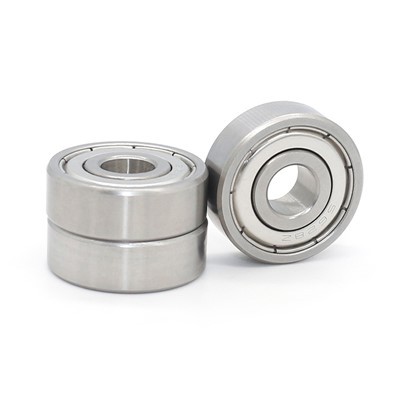
Yo, I'm an automotive bearings supplier, and I often get asked how to adjust the pre - load of automotive bearings. It's a crucial aspect of maintaining and optimizing the performance of vehicles, so I'm gonna break it down for you in this blog.
Why Pre - load Matters
First off, let's talk about why pre - load is a big deal. Pre - load is the amount of force applied to a bearing when it's installed. It helps to eliminate the internal clearance within the bearing, which in turn improves the bearing's stiffness, reduces vibration, and enhances its overall performance. When you've got the right pre - load, your bearings will last longer, and your vehicle will run smoother.
Imagine driving a car with bearings that have too much clearance. You'd feel a lot of rattling and shaking, which not only makes for an uncomfortable ride but can also lead to premature wear and tear on the bearings. On the flip side, if the pre - load is too high, it can cause excessive heat generation and increase the friction between the bearing components, also shortening the bearing's lifespan.
Tools You'll Need
Before you start adjusting the pre - load, you need to have the right tools on hand. Here's what you'll typically need:
- A torque wrench: This is used to apply the correct amount of force when tightening the bearing components.
- A dial indicator: It helps you measure the amount of movement or deflection in the bearing, which is crucial for determining the pre - load.
- A feeler gauge: This can be used to measure small clearances between parts, especially when setting up certain types of bearings.
- A set of wrenches and sockets: You'll use these to remove and install the various components around the bearing.
Step - by - Step Pre - load Adjustment
1. Preparation
Start by thoroughly cleaning the bearing and all the components that will be in contact with it. Any dirt, debris, or old lubricant can affect the accuracy of the pre - load adjustment. Make sure you're working in a clean environment to avoid introducing contaminants.
2. Installation of the Bearing
Carefully install the bearing into its housing. Follow the manufacturer's instructions for proper alignment and seating. It's important to ensure that the bearing is installed correctly from the start, as an improper installation can lead to inaccurate pre - load settings.
3. Initial Tightening
Use your torque wrench to tighten the bearing components to the specified torque value. This is usually provided in the vehicle's service manual or the bearing manufacturer's documentation. The initial tightening stage gets the bearing in place and starts to eliminate some of the clearance.
4. Measuring the Pre - load
This is where the dial indicator comes in handy. Mount the dial indicator on a stable surface near the bearing in a way that it can accurately measure the movement or deflection of the bearing. You'll want to take multiple measurements at different points around the bearing to get an accurate average.
For example, if you're working on a wheel bearing, you might rotate the wheel slowly while taking measurements. The difference between the initial position and the final position of the dial indicator pointer will give you an idea of the pre - load.
5. Adjusting the Pre - load
Based on the measurements you took, you may need to adjust the pre - load. If the pre - load is too low, you'll need to tighten the bearing components a little more. If it's too high, you'll need to loosen them slightly. Keep repeating the measuring and adjusting process until you reach the desired pre - load value.


Different Types of Bearings and Pre - load Adjustment
Ball Bearings
Ball bearings are commonly used in automotive applications, like in electric vehicles. For instance, our Electric Vehicle Specific Bearing 6203 -2RS requires precise pre - load adjustment. These bearings are designed to handle high - speed rotations and need to have the right pre - load to ensure smooth operation and reduced noise.
When adjusting the pre - load of ball bearings, you need to be extra careful not to over - tighten. Over - tightening can cause the balls to deform, leading to premature failure. You'll typically use a combination of torque and measurement techniques to get the pre - load just right.
Roller Bearings
Roller bearings are often used in applications where there's a lot of radial or axial load, such as in the engine or transmission. Adjusting the pre - load of roller bearings is a bit more complex than ball bearings. You need to consider the bearing's design and the type of load it will be subjected to.
The pre - load adjustment for roller bearings usually involves adjusting the shims or spacers between the bearing components. By adding or removing shims, you can control the amount of pre - load applied to the bearing.
Special Bearings
Some automotive bearings are designed for specific applications, like the Car Wiper Motor Special Bearing S607ZZ. These bearings have unique requirements when it comes to pre - load adjustment. The manufacturer's specifications are crucial in these cases, as they'll detail the exact pre - load values and the adjustment methods.
Common Mistakes to Avoid
One of the biggest mistakes people make when adjusting the pre - load of automotive bearings is not following the manufacturer's instructions. Each bearing is designed differently, and the pre - load requirements can vary significantly. Ignoring the manual can lead to improper pre - load settings, which can cause all sorts of problems down the road.
Another common mistake is using the wrong tools. A torque wrench that's not calibrated correctly or a dial indicator that's not set up properly can give inaccurate measurements, resulting in incorrect pre - load adjustment. Make sure all your tools are in good working condition and calibrated regularly.
Also, rushing through the process is a no - no. Pre - load adjustment is a delicate procedure that requires patience and attention to detail. Taking your time to measure and adjust the pre - load accurately will pay off in the long run, as it will ensure the longevity and performance of your bearings.
Conclusion
Adjusting the pre - load of automotive bearings is a skill that every vehicle owner or mechanic should have in their toolkit. It's not as complicated as it may seem, but it does require the right tools, knowledge, and patience. By following the steps outlined in this blog and avoiding common mistakes, you can ensure that your bearings are properly pre - loaded, which will lead to a smoother, more reliable ride.
We're a leading automotive bearings supplier, and we offer a wide range of high - quality bearings, including the Automotive Tensioner Bearing 6206 2RS. If you're in the market for automotive bearings or have any questions about pre - load adjustment, don't hesitate to reach out to us. We'd be happy to help you with your bearing needs and guide you through the purchasing process.
References
- Automotive Bearing Handbook, various editions
- Vehicle Service Manuals for different makes and models