


Hey there! As a supplier of plastic bearing housings, I often get asked if these nifty components can be used in electrical applications. Well, let's dive right into it and find out.
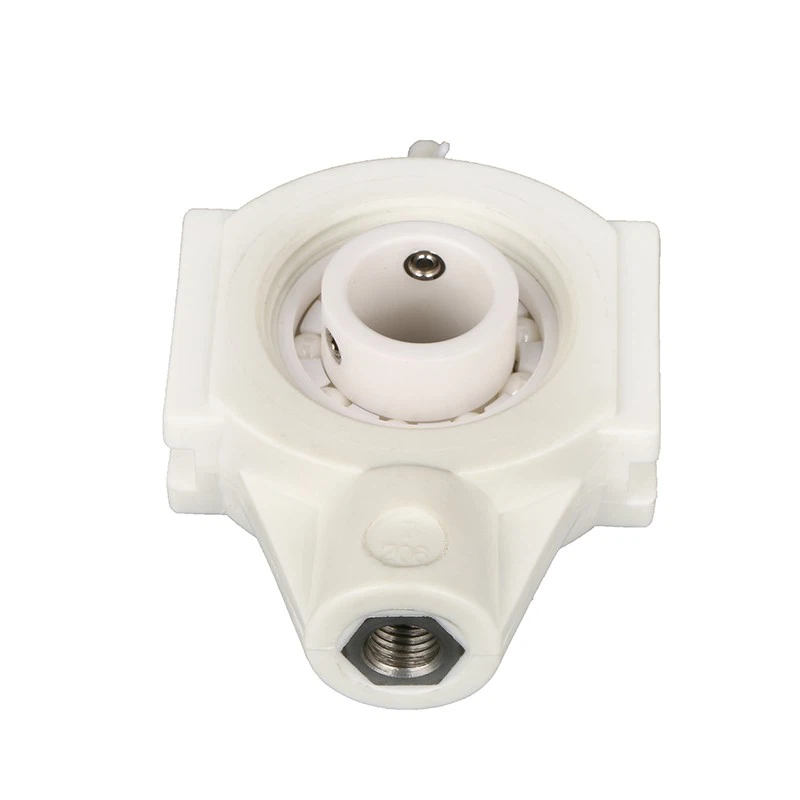

First off, let's talk about what plastic bearing housings are. They're basically enclosures that hold bearings in place. They come in different shapes and sizes, and they're made from various types of plastics. The great thing about plastic is that it's lightweight, corrosion - resistant, and can be molded into complex shapes easily.
Now, when it comes to electrical applications, there are a few key factors to consider. One of the most important ones is insulation. Electrical systems need to be properly insulated to prevent short - circuits and ensure safety. Plastic is a natural insulator, which means it doesn't conduct electricity well. This is a huge advantage in electrical applications. For example, in motors or generators, plastic bearing housings can help isolate the moving parts from the electrical components, reducing the risk of electrical interference.
Another factor is the environment. Electrical equipment can be used in a wide range of environments, from clean indoor settings to harsh industrial areas. Plastic bearing housings are resistant to many chemicals and moisture, which makes them suitable for use in areas where there might be exposure to corrosive substances. For instance, in a factory where there are chemicals in the air or on the floors, a plastic bearing housing can protect the bearing from damage and keep the electrical system running smoothly.
Let's also talk about cost. In electrical applications, cost is always a consideration. Plastic bearing housings are generally more affordable than their metal counterparts. This is because the raw materials for plastic are cheaper, and the manufacturing process is often less complex. So, if you're looking to save some money on your electrical project without sacrificing quality, plastic bearing housings are a great option.
However, it's not all sunshine and rainbows. There are some limitations to using plastic bearing housings in electrical applications. One of the main concerns is temperature. Some plastics have a relatively low melting point compared to metals. In high - temperature electrical applications, like in some power transformers, the heat generated might be too much for the plastic to handle. The plastic could warp or melt, which would obviously cause problems for the bearing and the overall electrical system.
Another issue is mechanical strength. While plastic can be strong, it might not be as strong as metal in some cases. In applications where there are high loads or vibrations, a plastic bearing housing might not be able to withstand the stress as well as a metal one. So, you need to carefully assess the mechanical requirements of your electrical application before choosing a plastic bearing housing.
Now, let me tell you about some of the products we offer. We have the Plastic Nylon Stainless Steel Bearing Seat. This is a great option for many electrical applications. The combination of plastic, nylon, and stainless steel gives it a good balance of insulation, strength, and corrosion resistance. It's suitable for use in a variety of electrical equipment, such as small motors and control panels.
We also have the IP54 with Composite Bearing Units. The IP54 rating means it's protected against dust and water splashes, which is very important in electrical applications. These composite bearing units are designed to provide reliable performance in different environments, and they're a popular choice for outdoor electrical installations.
In conclusion, plastic bearing housings can definitely be used in electrical applications, but it depends on the specific requirements of the project. If you have an application with low to moderate temperatures, relatively low loads, and a need for insulation and corrosion resistance, plastic bearing housings are a fantastic choice. But if you're dealing with high temperatures or heavy loads, you might need to consider other options or use a combination of materials.
If you're interested in learning more about our plastic bearing housings or think they might be a good fit for your electrical project, I'd love to hear from you. Just reach out, and we can have a chat about your needs and see how we can help. Whether you're a small - scale electrical contractor or a large - scale manufacturer, we're here to provide you with the best solutions for your bearing housing needs.
References
- Engineering Materials Handbook: Plastics, ASM International
- Electrical Installation Handbook, Schneider Electric


