


When it comes to the world of mechanical engineering and motion control, selecting the right bearing for a specific application is crucial. One common question that often arises is whether linear flange bearings are suitable for oscillating motion. As a supplier of linear flange bearings, I've had the opportunity to work with a wide range of customers and applications, and I'd like to share some insights on this topic.
Understanding Linear Flange Bearings
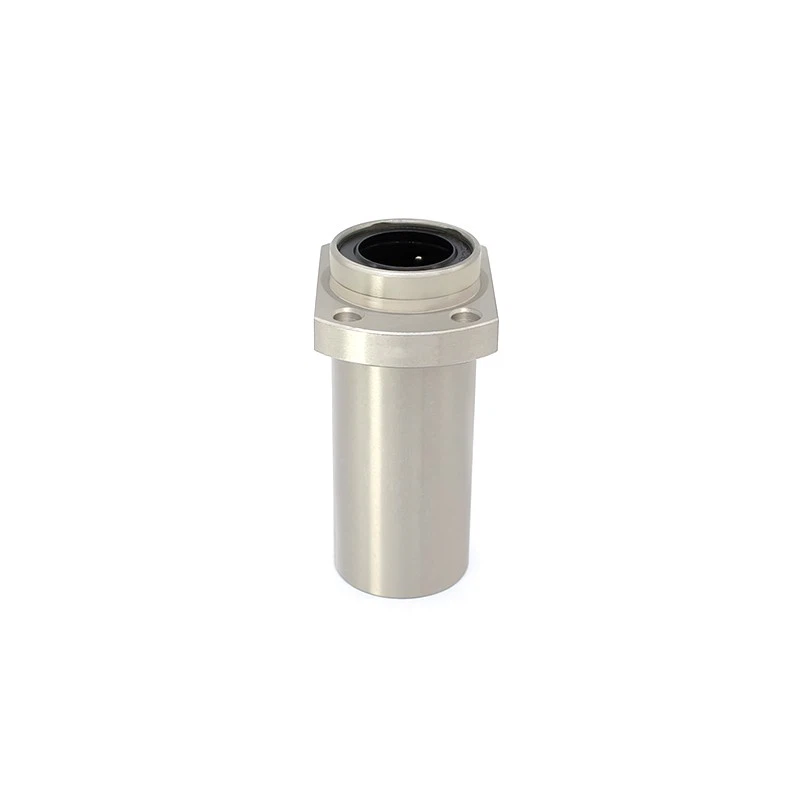
Before delving into their suitability for oscillating motion, let's first understand what linear flange bearings are. Linear flange bearings are designed to provide linear motion along a shaft or rail. They typically consist of a bearing housing with a flange, which helps in easy mounting and alignment. The bearing itself contains rolling elements, such as balls or rollers, that reduce friction and allow for smooth linear movement.
There are different types of linear flange bearings available, including Square Flange Linear Bearing and Round Flange Linear Bearing. The choice between square and round flanges depends on the specific mounting requirements and the design of the application. For example, square flange bearings are often preferred when a more stable and rigid mounting is needed, while round flange bearings may be more suitable for applications where space is limited or a more compact design is required.

Oscillating Motion: Characteristics and Challenges
Oscillating motion is a repetitive back - and - forth movement around a fixed point or axis. This type of motion is common in many industrial and mechanical applications, such as robotics, automotive engines, and precision instruments. Oscillating motion presents unique challenges for bearings, including:
- Reversing Loads: Unlike continuous linear motion, oscillating motion involves frequent changes in the direction of the load. This can cause additional stress on the bearing components, especially the rolling elements and the raceways.
- Acceleration and Deceleration: During each oscillation cycle, the bearing experiences acceleration and deceleration phases. These dynamic forces can lead to increased wear and tear, as well as potential vibration and noise issues.
- Lubrication Requirements: Maintaining proper lubrication is crucial in oscillating motion applications. The reversing nature of the motion can cause the lubricant to be displaced, leading to inadequate lubrication and increased friction.
Suitability of Linear Flange Bearings for Oscillating Motion
Linear flange bearings can be suitable for oscillating motion, but several factors need to be considered to ensure optimal performance:
- Load Capacity: The load capacity of the bearing is a critical factor. In oscillating motion, the bearing must be able to withstand the reversing loads without excessive deformation or failure. When selecting a linear flange bearing for an oscillating application, it's important to calculate the maximum load that the bearing will experience during each cycle and choose a bearing with an appropriate load rating. For example, the LMH20UU Bearing has a specific load capacity that can be compared against the application requirements.
- Material and Design: The material of the bearing components, such as the raceways and the rolling elements, plays a significant role in its performance under oscillating motion. High - quality materials with good wear resistance and fatigue strength are preferred. Additionally, the design of the bearing, including the internal geometry and the cage design, can affect its ability to handle oscillating loads. Some bearings are specifically designed with features that enhance their performance in oscillating applications, such as improved cage designs to prevent the rolling elements from jamming during direction changes.
- Lubrication: As mentioned earlier, proper lubrication is essential for oscillating motion. Linear flange bearings can be lubricated with various types of lubricants, such as grease or oil. The choice of lubricant depends on factors such as the operating temperature, the speed of the oscillation, and the environment. Grease lubrication is often preferred for its simplicity and ability to retain the lubricant in the bearing, while oil lubrication may be necessary for high - speed or high - temperature applications.
Advantages of Using Linear Flange Bearings in Oscillating Motion
Despite the challenges, there are several advantages to using linear flange bearings in oscillating motion applications:
- Precision and Accuracy: Linear flange bearings are known for their high precision and accuracy. In oscillating motion applications, where precise positioning and smooth movement are often required, these bearings can help achieve the desired performance.
- Easy Installation and Maintenance: The flange design of linear flange bearings makes them easy to install and align. This simplifies the assembly process and reduces the overall installation time. Additionally, regular maintenance, such as lubrication checks and replacement of worn components, can be carried out relatively easily.
- Versatility: Linear flange bearings are available in a wide range of sizes and configurations, making them suitable for a variety of oscillating motion applications. Whether it's a small - scale precision instrument or a large - scale industrial machine, there is likely a linear flange bearing that can meet the specific requirements.
Case Studies
To illustrate the suitability of linear flange bearings in oscillating motion applications, let's look at a couple of case studies:
- Robotic Arm: In a robotic arm application, the joints often experience oscillating motion as the arm moves in different directions. Linear flange bearings are used to support the movement of the arm segments. By choosing the appropriate bearing size and load capacity, the robotic arm can achieve smooth and precise movement. The ability of the linear flange bearings to handle reversing loads and maintain proper lubrication ensures long - term reliability and performance.
- Automotive Engine Valve Train: The valve train in an automotive engine involves oscillating motion of the valves. Linear flange bearings can be used to support the camshaft and other moving components. The high - precision design of these bearings helps in reducing friction and wear, which in turn improves the overall efficiency and performance of the engine.
Tips for Optimizing Linear Flange Bearings in Oscillating Motion
If you are considering using linear flange bearings in an oscillating motion application, here are some tips to optimize their performance:
- Proper Selection: Conduct a thorough analysis of the application requirements, including load, speed, temperature, and operating environment. Choose the bearing with the appropriate size, load capacity, and material based on these factors.
- Lubrication Management: Establish a regular lubrication schedule and use the right type of lubricant. Monitor the lubrication condition regularly and replenish or replace the lubricant as needed.
- Vibration and Noise Reduction: Implement measures to reduce vibration and noise, such as using vibration - damping materials or adjusting the operating parameters of the application.
Conclusion
In conclusion, linear flange bearings can be a suitable choice for oscillating motion applications, provided that the specific requirements of the application are carefully considered. By selecting the right bearing, ensuring proper lubrication, and addressing the challenges associated with oscillating motion, these bearings can provide reliable and long - lasting performance.
If you are working on an application that involves oscillating motion and are in need of high - quality linear flange bearings, I encourage you to reach out to us. Our team of experts can help you select the most appropriate bearing for your specific needs and provide you with all the necessary technical support. Whether it's a small - scale project or a large - scale industrial application, we are committed to delivering the best solutions for your bearing requirements.
References
- Harris, T. A., & Kotzalas, M. N. (2007). Rolling Bearing Analysis. Wiley.
- Budynas, R. G., & Nisbett, J. K. (2011). Shigley's Mechanical Engineering Design. McGraw - Hill.


