

Rolling bearing failure modes - Rolling bearing failure mode classification - Wear (abrasive wear)
Bearing abrasive wear refers to the gradual wear of materials.
At first, there will be very slight wear on the bearings during the running in stage, but basically a specific path trace will appear (see the figure below).
Slight abrasive wear on the outer ring of the thrust ball bearing
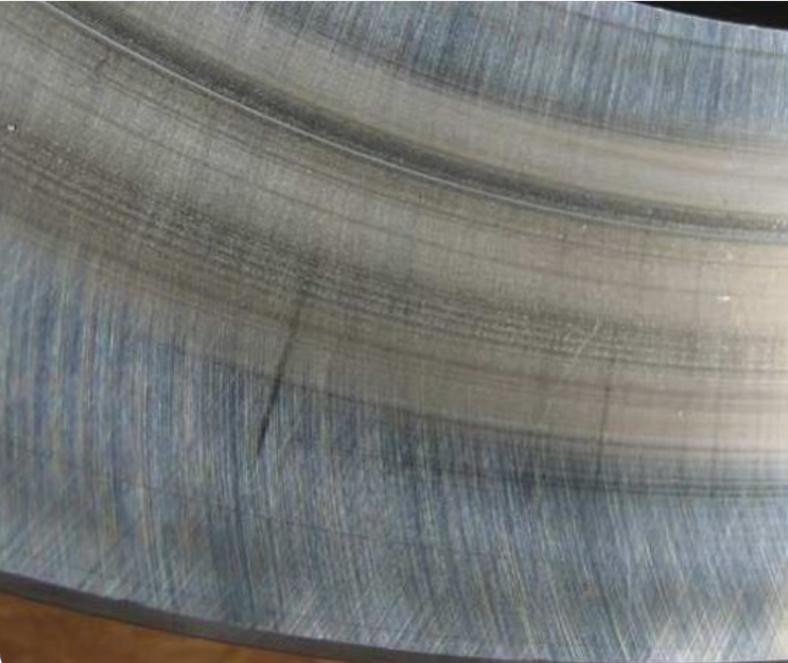
Most of the time, real abrasive wear is caused by poor lubrication or the invasion of solid pollutants. The general characteristic of abrasive wear is that the surface of the component is dull (see figure below).
Severe abrasive wear on the outer ring of the thrust ball bearing (lack of gloss on the bearing raceway)

Due to the further reduction of lubrication effectiveness by wear particles, abrasive wear is an accelerated process that ultimately destroys the microscopic geometry of the bearing. Grinding particles will quickly wear down the rolling elements, bearing rings, raceways, and cage grooves. The above figure shows the grinding and wear situation on the outer ring of the spherical roller bearing. The depth of wear can be seen from the graph. (In addition, there are ripples caused by vibration.)
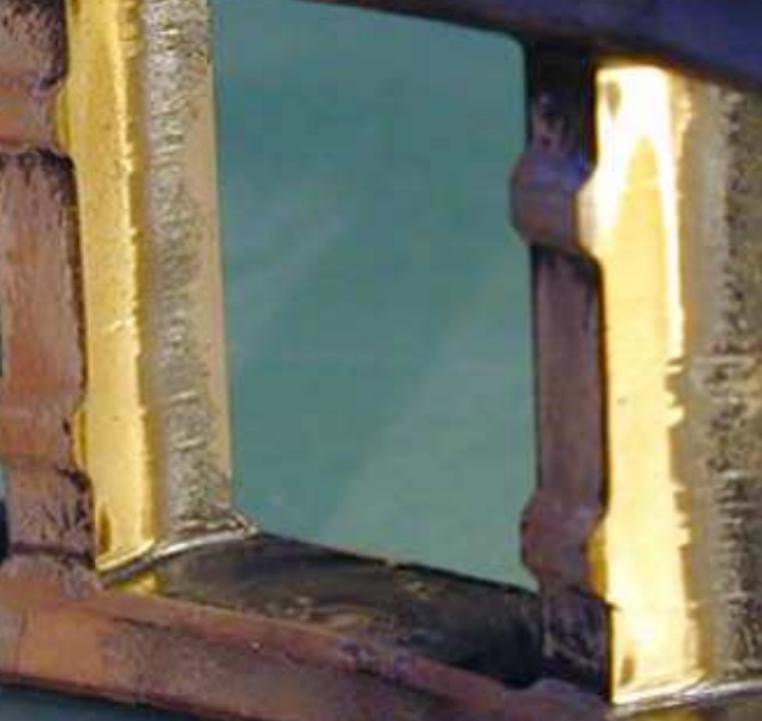
The cage is a key component of the bearing. The hardness of bearing rings and rolling elements is approximately 60 HRC. Most metal cages have not undergone hardening treatment (brass or metal plates). In the case of poor lubrication, the retainer is likely to be the first component to experience wear. The following figure shows the wear of the solid brass cage pocket hole.
Grain wear of bearing retainer
Grinding wear is a special form of abrasive wear. The raceway surface of the new bearing is very glossy, but its reflectivity is not very strong (like a mirror). The mirror surface in the running bearing (as shown in the figure below) is caused by insufficient lubrication due to a thin oil film and abrasive particles acting as polishing agents. Mirror surfaces may also be beneficial for bearings, but the premise is that grinding wear and plastic deformation are limited to micro convex bodies.
Grinding and wear of inner ring of ball bearing (mirror raceway surface)

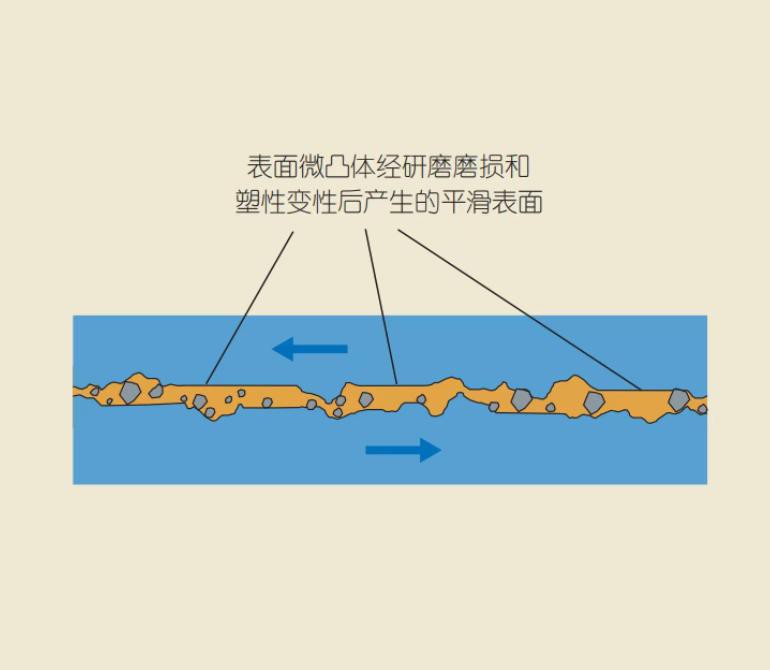
The bearing wear mentioned above can lead to direct contact between metals, ultimately resulting in abrasive wear and plastic deformation of surface micro protrusions (see figure below). The surface of bearing components may become very glossy (depending on the size of the abrasive particles, surface hardness, and running time).
Smooth surface produced by grinding, wear, and plastic deformation of surface micro convex bodies
In some cases, polishing wear may extend beyond the micro convex body, severely altering the shape of the raceway. The inner and outer raceways and rollers of the bearing (most likely) have been worn, but still look like mirror surfaces.
This level of grinding wear is caused by multiple factors, including low viscosity of the lubricating oil and the presence of too many small volume abrasive particles in the lubricating oil. Other factors may include low speed, heavy load, and thin oil film. To avoid this type of damage, it is important to increase the viscosity of the lubricant and regularly monitor its cleanliness.
Thank you for following my website. We are a bearing factory that has been operating for 26 years. We can provide PEM/ODM services for various deep groove ball bearings, ball bearings, double row ball bearings, pulley bearings, sealed waterproof bearings, steel ball bearings, small bearings, non-standard bearings, customized bearings, and rubber coated bearings.
For more technical information on essential bearing models, please contact our engineers. Thank you!
Email: jackengineer@blhbearing.com
WhatsApp:8613760352799



![[Bearing Fundamentals] Bearing Raw Materials: An Introduction to the Refining Process of Ultra-Pu...](/uploads/44487/small/slot-roller-with-slot-bearing-s626rsd0c5f.jpg)