


Hey there! As a supplier of cam roller bearings, I often get asked about the materials these nifty little components are made of. So, I thought I'd take a deep dive into this topic and share all the juicy details with you.
Let's start with the most common materials used in cam roller bearings. One of the heavy - hitters is steel. Steel is a go - to material for a whole bunch of reasons. First off, it's super strong. Cam roller bearings need to withstand a lot of pressure and load, and steel can handle it like a champ. Whether it's in a high - speed industrial machine or a heavy - duty automotive application, steel bearings can take the beating.
There are different types of steel used. Chrome steel is a popular choice. It's known for its excellent hardness and wear resistance. This means that the bearings can last a long time without getting worn down too quickly. Another type is stainless steel. Stainless steel is great because it's corrosion - resistant. If your cam roller bearings are going to be used in a wet or corrosive environment, like in a food processing plant or near the ocean, stainless steel is the way to go.
Next up, we have ceramic. Ceramic cam roller bearings are becoming more and more popular these days. Ceramics have some unique properties that make them stand out. For one, they're extremely hard. In fact, they're harder than most steels. This hardness gives them a longer lifespan and better wear resistance.
Ceramic bearings are also lightweight. This is a huge advantage in applications where weight is a concern, like in aerospace or high - performance racing. They also have a lower coefficient of friction compared to steel bearings. This means less heat is generated during operation, which can improve the efficiency of the machinery they're used in.
But ceramic bearings aren't without their drawbacks. They're more expensive to produce than steel bearings, which can be a deal - breaker for some budget - conscious customers. Also, they're more brittle than steel, so they need to be handled with care during installation and use.
Now, let's talk about some of the more specialized materials. One of these is polyurethane. Polyurethane cam roller bearings, like the ones you can check out Polyurethane Cam Follower, have some unique characteristics. Polyurethane is a type of plastic that's known for its flexibility and shock - absorbing properties.
These bearings are great for applications where noise reduction is important. The flexibility of polyurethane helps to dampen vibrations, which can reduce the amount of noise the machinery makes. They're also resistant to chemicals and abrasion, making them suitable for use in harsh environments.
Plastic is another material that's used in cam roller bearings. Plastic Cam Followers are often made from materials like nylon or PTFE (polytetrafluoroethylene). Plastic bearings are lightweight, corrosion - resistant, and self - lubricating.
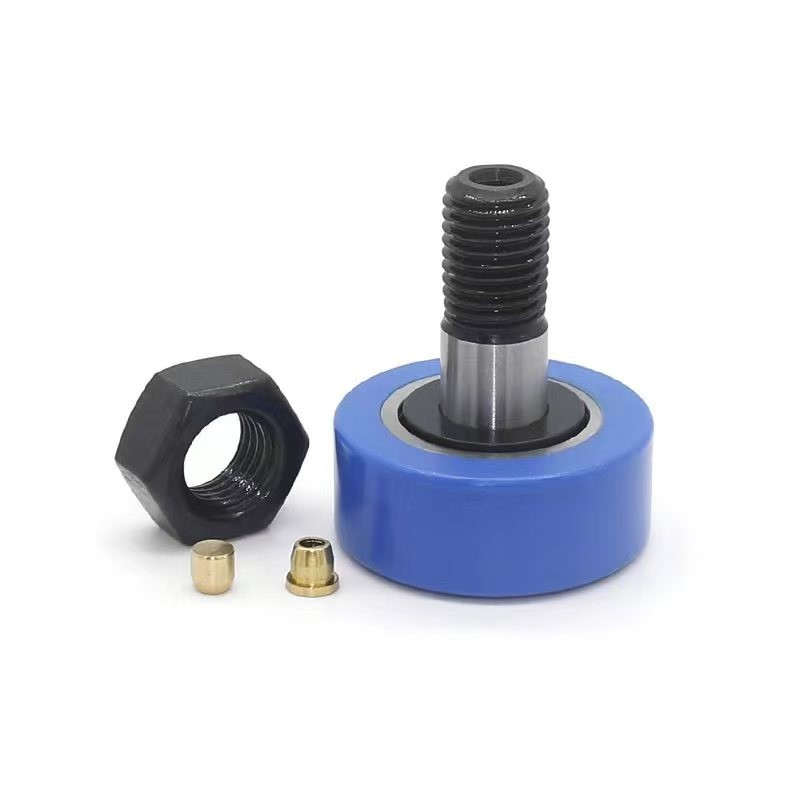

Nylon bearings are strong and have good wear resistance. They're also relatively inexpensive, making them a popular choice for low - cost applications. PTFE, on the other hand, has an extremely low coefficient of friction. This makes it ideal for applications where smooth operation is crucial, like in precision machinery.
When it comes to choosing the right material for cam roller bearings, there are a few factors to consider. First, you need to think about the load and speed requirements of the application. If you're dealing with high loads and speeds, steel or ceramic bearings might be the best option. If the load is relatively light and you're more concerned about noise reduction or corrosion resistance, polyurethane or plastic bearings could be a better fit.
The environment in which the bearings will be used is also important. As I mentioned earlier, if the environment is wet or corrosive, stainless steel or plastic bearings are a good choice. If the application involves exposure to chemicals, you'll need to choose a material that's resistant to those specific chemicals.
Cost is always a factor too. Steel bearings are generally the most cost - effective option, especially for large - scale applications. Ceramic bearings are more expensive, but they can offer long - term savings in terms of reduced maintenance and longer lifespan. Polyurethane and plastic bearings are usually in the middle in terms of cost.
So, there you have it! A rundown of the different materials used in cam roller bearings. As a supplier, I've seen firsthand how the right choice of material can make a huge difference in the performance and longevity of these bearings.
If you're in the market for cam roller bearings and need some advice on which material is best for your application, don't hesitate to reach out. We're here to help you make the right choice and get the most out of your machinery. Whether you're a small - scale manufacturer or a large industrial company, we've got the expertise and the products to meet your needs.
Let's work together to find the perfect cam roller bearings for your project. Contact us today to start the conversation and get a quote. We're looking forward to hearing from you!
References
- "Handbook of Bearing Technology"
- "Materials Science and Engineering: An Introduction"
- Industry reports on cam roller bearing materials


