


As a seasoned supplier of linear ball bearings, I've encountered numerous inquiries regarding the temperature rise of these crucial components under heavy loads. Understanding this phenomenon is essential for ensuring the optimal performance and longevity of linear ball bearings in various industrial applications. In this blog post, I'll delve into the factors contributing to temperature rise, its implications, and how to manage it effectively.
Factors Contributing to Temperature Rise
Friction
Friction is the primary culprit behind temperature rise in linear ball bearings under heavy loads. When a bearing is subjected to a significant load, the contact between the balls and the raceways generates frictional forces. These forces convert mechanical energy into heat, causing the temperature of the bearing to increase. The magnitude of friction depends on several factors, including the load magnitude, the surface finish of the raceways and balls, and the lubrication conditions.
Higher loads result in greater contact pressures between the balls and the raceways, which in turn increase the frictional forces. Additionally, rough surface finishes can lead to increased friction, as the irregularities on the surfaces cause more resistance to motion. Proper lubrication is crucial for reducing friction, as it forms a thin film between the contacting surfaces, separating them and minimizing direct metal-to-metal contact.
Viscous Drag
Viscous drag is another factor that contributes to temperature rise in linear ball bearings. When a bearing is in motion, the lubricant within the bearing experiences shear forces, which cause it to resist the flow. This resistance, known as viscous drag, generates heat. The viscosity of the lubricant plays a significant role in determining the magnitude of viscous drag. Higher viscosity lubricants offer better protection against wear and corrosion but also result in higher viscous drag and, consequently, more heat generation.
The operating speed of the bearing also affects viscous drag. As the speed increases, the shear forces acting on the lubricant become more significant, leading to higher viscous drag and temperature rise. Therefore, it's essential to select a lubricant with the appropriate viscosity for the specific operating conditions of the bearing.
Internal Clearance
Internal clearance refers to the amount of free movement between the balls and the raceways in a linear ball bearing. Insufficient internal clearance can cause excessive preloading, which increases the contact stresses between the balls and the raceways and leads to higher friction and temperature rise. On the other hand, excessive internal clearance can result in increased vibration and noise, as well as reduced bearing stiffness and accuracy.
Proper selection of internal clearance is crucial for ensuring optimal bearing performance and minimizing temperature rise. The internal clearance should be chosen based on factors such as the load magnitude, operating temperature, and the desired level of bearing stiffness and accuracy.
Implications of Temperature Rise
Lubricant Degradation
Elevated temperatures can cause the lubricant in a linear ball bearing to degrade more rapidly. Lubricant degradation can lead to a reduction in its viscosity, which in turn reduces its ability to form a protective film between the contacting surfaces. This can result in increased friction, wear, and corrosion, ultimately leading to premature bearing failure.
Material Expansion
As the temperature of a linear ball bearing increases, the materials within the bearing expand. This expansion can cause changes in the internal clearance of the bearing, as well as the fit between the bearing and its housing. If the expansion is not properly accounted for, it can lead to excessive preloading, increased friction, and reduced bearing life.
Reduced Bearing Life
Excessive temperature rise can significantly reduce the service life of a linear ball bearing. High temperatures can accelerate the wear and fatigue of the bearing components, leading to premature failure. Additionally, the degradation of the lubricant can further exacerbate the wear and corrosion processes, further reducing the bearing life.

Managing Temperature Rise
Proper Lubrication
Proper lubrication is one of the most effective ways to manage temperature rise in linear ball bearings. As mentioned earlier, lubrication helps to reduce friction and viscous drag, thereby minimizing heat generation. It's essential to select a lubricant that is suitable for the specific operating conditions of the bearing, including the load magnitude, operating temperature, and speed.
Regular lubrication maintenance is also crucial for ensuring the continued effectiveness of the lubricant. This includes monitoring the lubricant level, changing the lubricant at the recommended intervals, and ensuring that the lubricant is free from contaminants.
Adequate Cooling
In some applications, it may be necessary to provide additional cooling to the linear ball bearings to manage temperature rise. This can be achieved through various methods, such as using cooling fans, circulating coolant, or installing heat sinks. The cooling system should be designed to remove the heat generated by the bearing effectively and maintain the operating temperature within the recommended range.
Optimal Bearing Selection
Selecting the right linear ball bearing for the specific application is essential for minimizing temperature rise. This includes considering factors such as the load capacity, speed rating, internal clearance, and lubrication requirements. Using a bearing with a higher load capacity than required can help to reduce the contact stresses and friction, thereby minimizing heat generation.
Additionally, choosing a bearing with a suitable internal clearance can help to ensure optimal bearing performance and minimize temperature rise. It's also important to consider the operating environment, such as the presence of dust, dirt, or moisture, and select a bearing that is designed to withstand these conditions.
Examples of Linear Ball Bearings
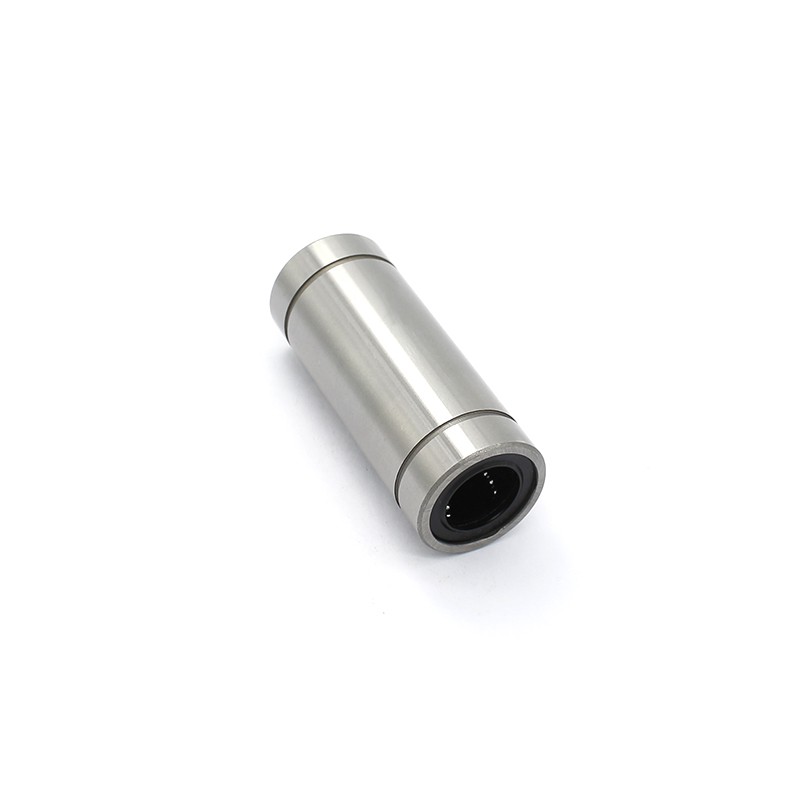
If you're in the market for high-quality linear ball bearings, we offer a wide range of products to meet your needs. Our Linear Roller Bearings are designed to provide smooth and reliable linear motion in various industrial applications. They feature high load capacity, low friction, and long service life, making them ideal for heavy-duty applications.
Another popular product in our lineup is the LM10UU Bearing. This bearing is a compact and lightweight option that offers high precision and low noise operation. It's commonly used in applications such as 3D printers, CNC machines, and robotics.
For applications that require a larger bearing, our LM16UU Bearing is an excellent choice. It has a larger bore diameter and higher load capacity than the LM10UU bearing, making it suitable for more demanding applications.
Conclusion
Understanding the temperature rise of linear ball bearings under heavy loads is crucial for ensuring their optimal performance and longevity. By considering the factors contributing to temperature rise, its implications, and the strategies for managing it, you can select the right bearings and implement the appropriate measures to minimize heat generation and prevent premature bearing failure.
If you have any questions or need further assistance with selecting the right linear ball bearings for your application, please don't hesitate to contact us. Our team of experts is here to help you find the best solutions for your needs. We look forward to the opportunity to discuss your requirements and explore potential partnerships.
References
- Harris, T. A., & Kotzalas, M. N. (2007). Rolling Bearing Analysis. Wiley-Interscience.
- Gupta, P. K. (2002). Ball and Roller Bearing Engineering. CRC Press.
- SKF. (2019). SKF Rolling Bearing Handbook. SKF Group.


