


Hey there! As a supplier of cam roller bearings, I often get asked about the speed limit of these nifty little components. So, I thought I'd take a deep dive into this topic and share everything you need to know.
First off, let's understand what cam roller bearings are. They're a type of bearing that's designed to follow a cam's profile. These bearings are super useful in all sorts of machinery, from automotive engines to industrial robots. They help convert rotary motion into linear motion, or vice versa, making them a crucial part of many mechanical systems.
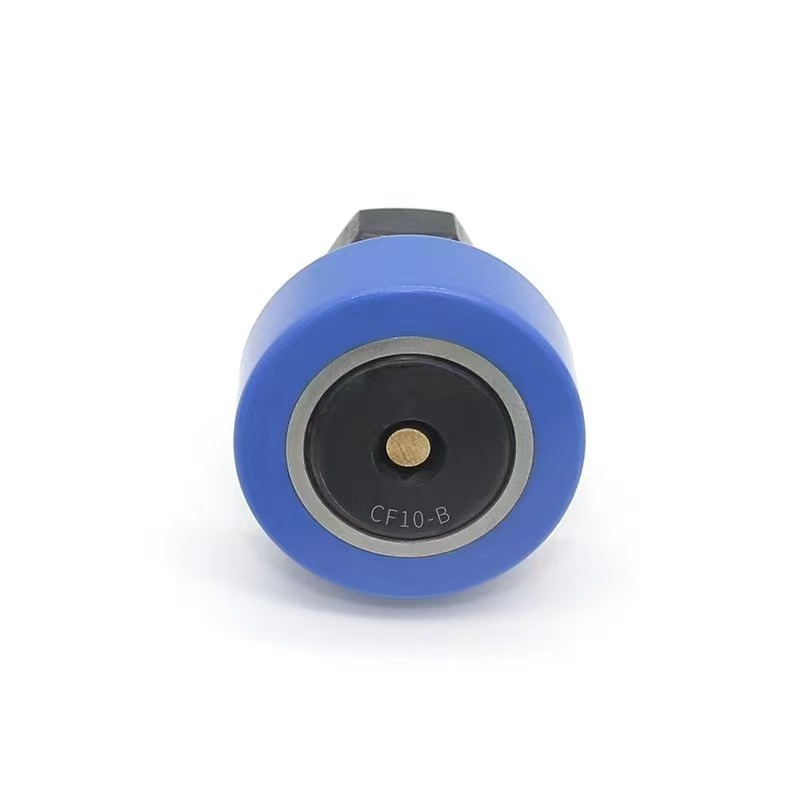
Now, the speed limit of cam roller bearings isn't a one - size - fits - all number. It depends on a bunch of factors. One of the main factors is the type of material the bearing is made from. For example, we have Polyurethane Cam Follower. Polyurethane is a great material for cam followers because it's flexible, durable, and has good shock - absorbing properties. However, its speed limit is generally lower compared to some other materials. This is because polyurethane can heat up quickly at high speeds, which can lead to wear and tear and even failure of the bearing.
On the other hand, Plastic Cam Followers are also popular. They're lightweight, corrosion - resistant, and relatively inexpensive. But just like polyurethane, plastic cam followers also have their speed limitations. The plastic can deform under high - speed and high - load conditions, so you need to be careful about how fast you run them.
The design of the cam roller bearing also plays a huge role in determining its speed limit. Bearings with a larger diameter generally have a lower speed limit because the outer race has to travel a greater distance in one rotation. The internal clearance of the bearing is another important factor. If the clearance is too small, the bearing can overheat at high speeds due to increased friction. If it's too large, the bearing can become noisy and less precise.
Lubrication is yet another key aspect. Proper lubrication reduces friction between the rolling elements and the races of the bearing. This not only helps in reducing wear but also allows the bearing to operate at higher speeds. There are different types of lubricants available, such as grease and oil. Grease is easier to use and can provide long - term lubrication, but it may not be suitable for extremely high - speed applications. Oil, on the other hand, can dissipate heat better and is often used in high - speed bearings.

The load on the cam roller bearing is also a major determinant of its speed limit. Higher loads mean more stress on the bearing, which can cause premature failure at high speeds. So, if you're running a bearing under heavy loads, you'll have to keep the speed down to ensure its longevity.
Let's talk about some general guidelines for speed limits. For standard cam roller bearings made from steel, the speed limit can range from a few hundred RPM (revolutions per minute) to several thousand RPM. However, this is a very rough estimate. High - precision, high - performance bearings can operate at much higher speeds, sometimes up to 10,000 RPM or more. But these are usually specially designed and manufactured for specific applications.
If you're using cam roller bearings in a high - speed application, it's important to do some testing. You can start by running the bearing at a low speed and gradually increasing it while monitoring its temperature, noise level, and vibration. If you notice any signs of overheating, excessive noise, or abnormal vibration, it's a sign that you're approaching or exceeding the speed limit.
In addition to the factors I've mentioned above, the environment in which the bearing operates also matters. For example, if the bearing is exposed to dust, dirt, or moisture, it can affect its performance and speed limit. Dust and dirt can get into the bearing and cause abrasion, while moisture can lead to corrosion.
Another thing to consider is the quality of the manufacturing process. Bearings that are made with high - quality materials and precise manufacturing techniques are more likely to have a higher speed limit and better overall performance. At our company, we take great pride in our manufacturing process. We use the latest technology and strict quality control measures to ensure that our cam roller bearings meet the highest standards.
So, how do you choose the right cam roller bearing for your application? First, you need to determine the required speed, load, and operating environment. Then, you can select the appropriate material, design, and lubrication based on these factors. If you're not sure, don't hesitate to reach out to us. We have a team of experts who can help you make the right choice.
In conclusion, the speed limit of cam roller bearings is a complex topic that depends on multiple factors. By understanding these factors and choosing the right bearing for your application, you can ensure optimal performance and longevity of your machinery. Whether you're looking for Polyurethane Cam Follower or Plastic Cam Followers, we've got you covered.
If you're interested in purchasing cam roller bearings for your project, we'd love to have a chat with you. We can discuss your specific requirements and provide you with the best solutions. Don't miss out on the opportunity to enhance your machinery's performance with our high - quality cam roller bearings.
References
- "Bearing Handbook" by SKF
- "Mechanical Design and Analysis" textbooks


