


What is the radial load capacity of a female rod end bearing?
As a supplier of female rod end bearings, I often get asked about the radial load capacity of these crucial components. Understanding the radial load capacity is essential for ensuring the proper functioning and longevity of any machinery or equipment that utilizes these bearings. In this blog post, I'll delve into what radial load capacity means, factors that influence it, and how it pertains to our female rod end bearings.
Defining Radial Load Capacity
The radial load capacity of a female rod end bearing refers to the maximum amount of load that the bearing can withstand in a direction perpendicular to the axis of the shaft. In simpler terms, it's the force that can be applied sideways to the bearing without causing excessive wear, deformation, or failure. This capacity is a critical specification because it determines the suitability of the bearing for a particular application. If the radial load exceeds the bearing's capacity, it can lead to premature failure, increased maintenance costs, and potential safety hazards.
Factors Influencing Radial Load Capacity
Several factors play a role in determining the radial load capacity of a female rod end bearing.
Material and Design
The material used in the construction of the bearing is a primary factor. High - quality materials, such as stainless steel, offer better strength and durability compared to lower - grade alternatives. For example, our Stainless Steel Heim Joint Rod Ends SI8 are made from premium stainless steel, which enhances their ability to handle radial loads. The design of the bearing also matters. A well - designed bearing with proper internal geometry can distribute the load more evenly, increasing its radial load capacity.
Bearing Size
Larger bearings generally have a higher radial load capacity. This is because they have a greater surface area to distribute the load. When selecting a female rod end bearing, it's important to consider the size based on the expected radial load. Our Stainless Steel Rod End Bearings SI5 come in different sizes, allowing customers to choose the one that best suits their load requirements.
Lubrication
Proper lubrication is crucial for maintaining the radial load capacity of a bearing. Lubricants reduce friction between the moving parts of the bearing, which in turn helps to dissipate heat and prevent wear. A well - lubricated bearing can handle higher radial loads more effectively than a dry or poorly lubricated one. We recommend using high - quality lubricants that are compatible with the bearing material and the operating environment.
Operating Conditions
The operating conditions, such as temperature, speed, and the presence of contaminants, can also affect the radial load capacity. High temperatures can cause the bearing material to expand and lose its strength, reducing the load - carrying capacity. Similarly, high speeds can generate more heat and increase the wear rate. Contaminants, such as dust and dirt, can damage the bearing surfaces and reduce its ability to handle loads.
Calculating Radial Load Capacity
Calculating the radial load capacity of a female rod end bearing is a complex process that typically involves using engineering formulas and taking into account the factors mentioned above. Manufacturers usually provide load - rating tables based on standardized testing procedures. These tables give the maximum radial load that a bearing can handle under specific conditions.
However, in real - world applications, it's important to consider additional factors such as shock loads and dynamic loads. Shock loads occur when there is a sudden increase in the load, such as during start - up or when the machinery encounters an obstacle. Dynamic loads are those that change over time, such as in a reciprocating motion. These types of loads can be much higher than the static loads, and they need to be factored into the bearing selection process.
Importance of Radial Load Capacity in Applications
The radial load capacity is of utmost importance in various applications. In automotive applications, for example, female rod end bearings are used in suspension systems. The bearings need to be able to handle the radial loads generated by the vehicle's weight, acceleration, and cornering forces. If the radial load capacity is insufficient, the bearings can wear out quickly, leading to poor handling and potential safety issues.
In industrial machinery, such as conveyor systems and robotic arms, the radial load capacity of the bearings determines the reliability and efficiency of the equipment. A bearing that fails due to overloading can cause costly downtime and production losses.
Selecting the Right Female Rod End Bearing Based on Radial Load Capacity
When selecting a female rod end bearing, it's essential to accurately determine the radial load requirements of the application. This may involve consulting with an engineer or using load - calculation software. Once the load requirements are known, you can refer to our product catalog to find a bearing with an appropriate radial load capacity.
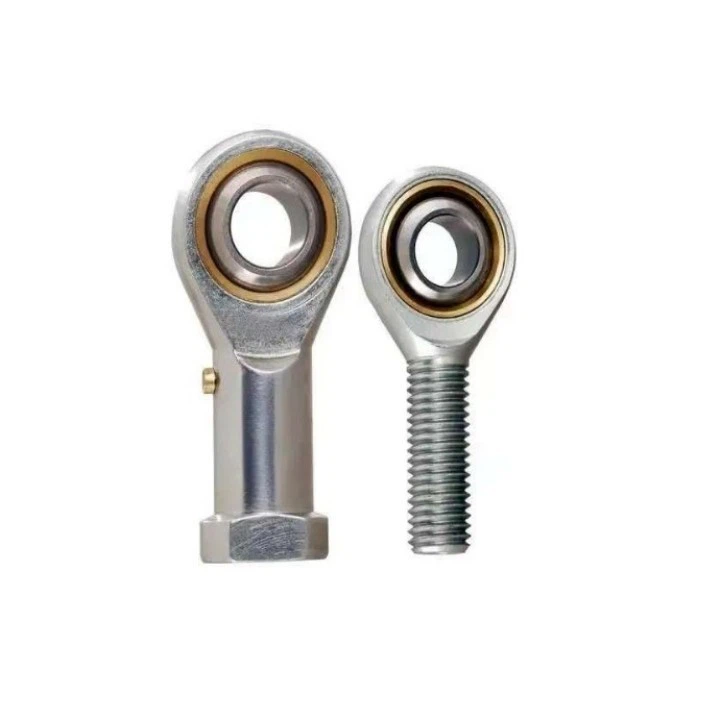

It's also a good idea to choose a bearing with a slightly higher load capacity than the calculated requirement to account for any unexpected loads or variations in operating conditions. This provides a safety margin and helps to ensure the long - term reliability of the bearing.
Our Commitment as a Supplier
As a supplier of female rod end bearings, we are committed to providing high - quality products with accurate load - rating information. Our bearings are manufactured to strict quality standards, and we conduct rigorous testing to ensure that they meet or exceed the specified radial load capacity. We also offer technical support to help our customers select the right bearing for their applications.
If you are in need of female rod end bearings and want to discuss your radial load requirements, we encourage you to reach out to us. Our team of experts is ready to assist you in finding the perfect solution for your needs. Whether you are working on a small - scale project or a large - scale industrial application, we have the products and knowledge to support you.
In conclusion, understanding the radial load capacity of a female rod end bearing is crucial for ensuring the proper functioning and longevity of your machinery or equipment. By considering the factors that influence load capacity, accurately calculating the load requirements, and selecting the right bearing, you can avoid costly failures and ensure the reliability of your applications. Contact us today to discuss your bearing needs and let us help you find the best solution for your radial load requirements.
References
- Harris, T. A., & Kotzalas, M. N. (2007). Rolling Bearing Analysis. Wiley.
- SKF. (2010). SKF Rolling Bearing Handbook. SKF Group.


