


Hey there! As a supplier of linear ball bearings, I often get asked about the static load rating of these nifty little components. So, let's dive right in and break it down in a way that's easy to understand.
First off, what exactly is a linear ball bearing? Well, it's a type of bearing that uses balls to enable smooth linear motion along a shaft. These bearings are super common in all sorts of machinery, from 3D printers to industrial automation equipment. They're known for their low friction, high precision, and ability to handle both radial and axial loads.
Now, let's talk about the static load rating. The static load rating of a linear ball bearing is the maximum load that the bearing can withstand without causing permanent deformation to the balls or the raceways. In simpler terms, it's the amount of weight or force that the bearing can handle when it's not moving. This is a crucial factor to consider when choosing a linear ball bearing for your application.
Why is the static load rating so important? Well, if you exceed the static load rating of a bearing, it can lead to all sorts of problems. The balls might start to flatten or indent the raceways, which can cause the bearing to become noisy, vibrate, or even fail completely. This can result in costly downtime and repairs for your equipment.
So, how do you determine the static load rating of a linear ball bearing? There are a few factors that come into play. One of the main factors is the size and design of the bearing. Generally speaking, larger bearings with more balls can handle higher static loads. The material of the bearing also plays a role. Bearings made from high-quality materials, such as chrome steel or stainless steel, tend to have higher static load ratings.
Another important factor is the type of load. Linear ball bearings can handle different types of loads, including radial loads (perpendicular to the shaft) and axial loads (parallel to the shaft). The static load rating will vary depending on the type of load the bearing is expected to carry.
Let's take a look at some examples. The LM10UU Bearing is a popular choice for many applications. It has a relatively small size, which makes it suitable for light to medium-duty applications. The static load rating of the LM10UU Bearing is typically around 1,000 N (Newtons). This means that it can handle a static load of up to 1,000 N without causing permanent deformation.
On the other hand, the LM16UU Bearing is a larger bearing that can handle higher loads. It has a static load rating of around 2,500 N. This makes it a better choice for applications that require more heavy-duty performance.
It's important to note that the static load rating is just one factor to consider when choosing a linear ball bearing. You also need to take into account the dynamic load rating, which is the maximum load that the bearing can handle while in motion. The dynamic load rating is typically lower than the static load rating, as the bearing experiences additional forces and stresses when it's moving.
In addition to the load ratings, you also need to consider the speed, accuracy, and lubrication requirements of your application. These factors can all affect the performance and lifespan of the bearing.
If you're not sure which linear ball bearing is right for your application, don't worry! That's where we come in. As a supplier of linear ball bearings, we have a team of experts who can help you choose the right bearing for your specific needs. We offer a wide range of linear ball bearings, including Linear Roller Bearings, to suit different applications and budgets.
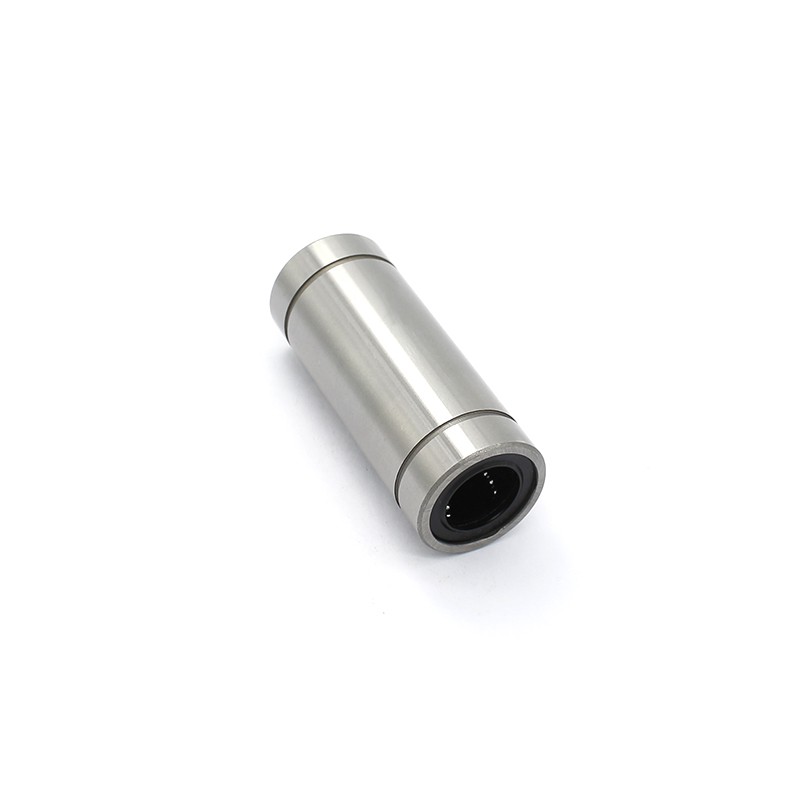

Whether you're looking for a small, lightweight bearing for a hobby project or a heavy-duty bearing for an industrial application, we've got you covered. We can also provide you with technical support and advice to ensure that you get the most out of your bearings.
So, if you're in the market for linear ball bearings, don't hesitate to get in touch with us. We'd love to help you find the perfect bearing for your application and answer any questions you might have. Just reach out to us, and we'll take it from there.
In conclusion, the static load rating of a linear ball bearing is an important factor to consider when choosing a bearing for your application. It determines the maximum load that the bearing can handle without causing permanent deformation. By understanding the static load rating and other factors, you can choose the right bearing for your needs and ensure the reliable performance of your equipment.
References:
- Machinery's Handbook, 31st Edition
- Bearing Engineering Handbook


