


What's the deal with the hardness of ceramic bearings? As a supplier of ceramic bearings, I've seen firsthand how this property can make or break a bearing's performance. So, let's dive into what hardness means for ceramic bearings and why it's such a big deal.
First off, hardness is a measure of a material's resistance to deformation, scratching, and wear. In the world of bearings, it's crucial because bearings are constantly under stress from rotating parts, loads, and friction. A hard bearing can withstand these forces better, leading to longer life and better performance.
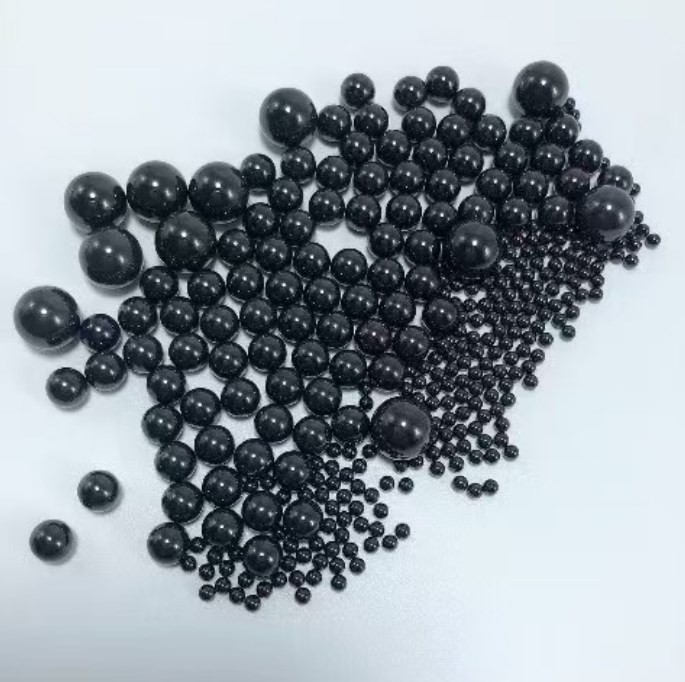

There are a few different types of ceramic bearings we deal with, each with its own hardness characteristics. Let's start with Zirconia Bearings [1]. Zirconia is a super-tough ceramic material. It has a high hardness level, which gives it excellent wear resistance. This means that zirconia bearings can handle high loads and high speeds without wearing out quickly. They're also pretty good at withstanding corrosion, which is a big plus in environments where moisture or chemicals are present. Check out more about Zirconia Bearings.
Next up are Silicon Nitride Bearings [2]. Silicon nitride is another popular choice for ceramic bearings. It's known for its extremely high hardness and low density. The high hardness makes it very resistant to wear and deformation, even under extreme conditions. And the low density means that silicon nitride bearings can reduce the overall weight of a system, which can be a huge advantage in applications where weight is a concern, like aerospace or high-speed machinery. You can learn more about Silicon Nitride Bearings.
Then there are Hybrid Ceramic Bearings [3]. These bearings combine ceramic balls with steel races. The ceramic balls, usually made of silicon nitride or zirconia, bring the high hardness and wear resistance to the table, while the steel races provide good load-carrying capacity and compatibility with existing systems. Hybrid ceramic bearings are a great option for applications where you want the benefits of ceramic bearings but also need the familiarity and cost-effectiveness of steel components. Find out more about Hybrid Ceramic Bearings.
Now, how do we measure the hardness of ceramic bearings? One common method is the Vickers hardness test. In this test, a small diamond indenter is pressed into the surface of the ceramic material, and the size of the indentation is measured. The smaller the indentation, the harder the material. Another method is the Rockwell hardness test, which uses a different type of indenter and measures the depth of penetration. These tests give us a quantitative measure of the hardness, which helps us compare different ceramic materials and ensure that our bearings meet the required specifications.
The hardness of ceramic bearings has a direct impact on their performance. Harder bearings can handle higher loads without deforming, which means they can maintain their shape and function for longer. They also have better wear resistance, so they don't wear out as quickly as softer bearings. This translates into less maintenance and longer service life for the equipment that uses these bearings.
In addition to load capacity and wear resistance, hardness also affects the friction and heat generation in ceramic bearings. Harder bearings have a smoother surface, which reduces friction between the bearing components. Less friction means less heat is generated, which can improve the efficiency of the system and prevent overheating. This is especially important in high-speed applications, where excessive heat can cause the bearing to fail prematurely.
But hardness isn't the only factor to consider when choosing ceramic bearings. Other properties, like thermal expansion, chemical resistance, and fracture toughness, also play a role. For example, if a bearing is going to be used in a high-temperature environment, it needs to have a low thermal expansion coefficient to prevent cracking or deformation. And if it's going to be exposed to chemicals, it needs to be resistant to corrosion.
As a supplier of ceramic bearings, we work closely with our customers to understand their specific needs and recommend the best bearing solutions. Whether it's a high-speed application that requires the hardness of silicon nitride bearings or a corrosive environment that calls for zirconia bearings, we have the expertise and the products to meet your requirements.
If you're in the market for ceramic bearings, we'd love to have a chat with you. We can discuss your application, answer any questions you have, and provide you with a customized solution. Don't hesitate to reach out and start the conversation.
In conclusion, the hardness of ceramic bearings is a key property that determines their performance and durability. By understanding the different types of ceramic materials and their hardness characteristics, you can make an informed decision when choosing bearings for your equipment. And as a trusted supplier, we're here to support you every step of the way.
References
- Information about zirconia bearings.
- Details on silicon nitride bearings.
- Insights into hybrid ceramic bearings.


