


As a supplier of GE50 Bearing, I often encounter inquiries from customers about the wear resistance of this product. Wear resistance is a critical factor in the performance and lifespan of bearings, especially in applications where they are subjected to high loads, friction, and continuous operation. In this blog, I will delve into the wear-resistant properties of GE50 Bearing, comparing it with other similar products and providing scientific insights based on industry knowledge and research.
Understanding the Basics of GE50 Bearing
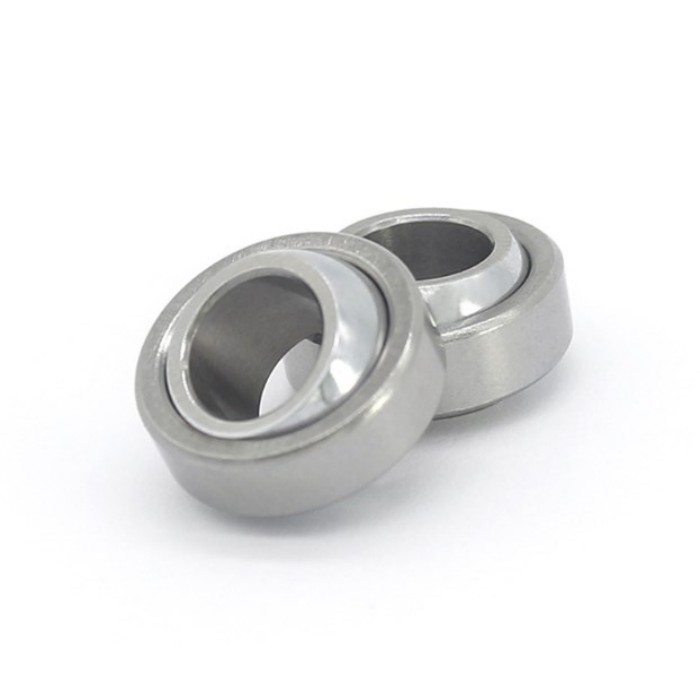
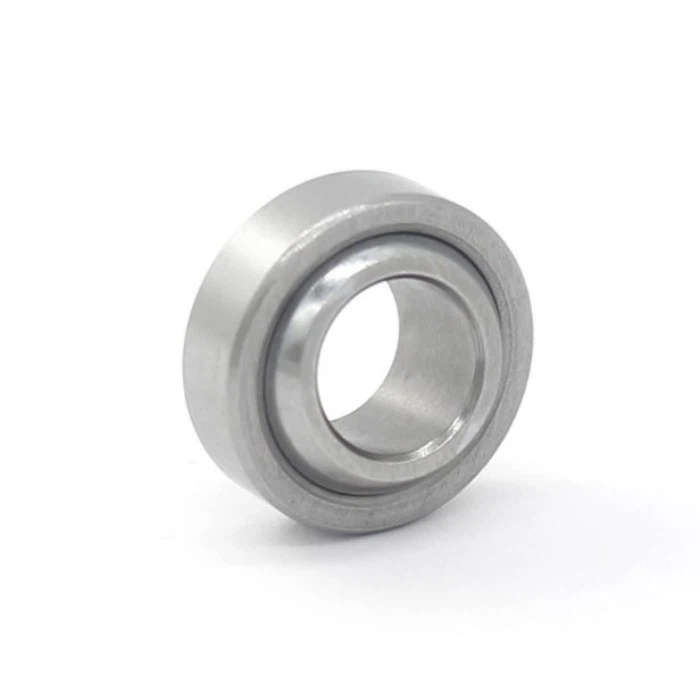
First, let's briefly introduce the GE50 Bearing. The GE50 Bearing is a type of radial spherical plain bearing. It is designed to accommodate misalignment and provide smooth rotation in various industrial applications. These bearings consist of an inner ring with a sphered convex outside surface and an outer ring with a corresponding sphered concave inside surface. The unique design allows for angular misalignment between the shaft and the housing, which is beneficial in many real-world scenarios.
Factors Affecting Wear Resistance
Several factors contribute to the wear resistance of a bearing, and understanding these is crucial to evaluating the performance of the GE50 Bearing.
Material Composition
The materials used in the manufacturing of the GE50 Bearing play a significant role in its wear resistance. High - quality steels are commonly used for the inner and outer rings. These steels are heat - treated to enhance their hardness and toughness. A harder material can better withstand the abrasive forces that cause wear. For example, some GE50 Bearings are made from chromium - molybdenum steel, which has excellent wear - resistant properties due to its high carbon content and the presence of alloying elements.
Surface Finish
The surface finish of the bearing components also affects wear resistance. A smooth surface reduces friction between the contacting parts. During the manufacturing process, the inner and outer ring surfaces of the GE50 Bearing are carefully machined and polished to achieve a low surface roughness. This smooth surface minimizes the formation of wear particles and reduces the likelihood of surface damage caused by friction.
Lubrication
Proper lubrication is essential for reducing wear in bearings. The GE50 Bearing is designed to work with different types of lubricants, such as grease or oil. Lubricants form a thin film between the moving parts, separating them and reducing direct contact. This film not only reduces friction but also helps to carry away wear particles. The choice of lubricant depends on the application conditions, including temperature, load, and speed.
Wear Resistance Testing and Performance
To determine the wear resistance of the GE50 Bearing, various testing methods are employed. One common test is the pin - on - disc test, where a small pin representing the bearing material is rubbed against a rotating disc under specific load and speed conditions. The amount of material loss from the pin is measured over a period of time, which gives an indication of the wear rate.
In real - world applications, the GE50 Bearing has shown excellent wear - resistant performance. In heavy - duty machinery, such as construction equipment and mining machinery, where bearings are subjected to high loads and harsh operating conditions, the GE50 Bearing can maintain its performance for a relatively long time. However, it is important to note that the actual wear resistance can vary depending on the specific application and the quality of maintenance.
Comparison with Other Bearings: GE80 Bearing
To further understand the wear - resistant properties of the GE50 Bearing, let's compare it with the GE80 Bearing. The GE80 Bearing is larger in size compared to the GE50 Bearing, which means it can generally handle higher loads. However, the wear - resistant characteristics are also influenced by the design and material selection.
Both bearings are made from high - quality materials and have similar surface finish requirements. The main difference lies in their load - carrying capacity. The GE80 Bearing, due to its larger size, can distribute the load over a larger area, which may result in lower stress on the bearing surfaces and potentially less wear under high - load conditions. On the other hand, the GE50 Bearing is more suitable for applications where space is limited and the load requirements are relatively lower.
Industry Standards and Regulations
The wear resistance of bearings is also regulated by industry standards. Organizations such as the International Organization for Standardization (ISO) and the American Society for Testing and Materials (ASTM) have established standards for bearing performance, including wear resistance. The GE50 Bearing is designed and manufactured to meet these standards, ensuring that it provides reliable and consistent performance in various applications.
Maintenance and Long - Term Wear Resistance
Proper maintenance is key to ensuring the long - term wear resistance of the GE50 Bearing. Regular inspection of the bearing for signs of wear, such as excessive play, noise, or temperature increase, can help detect problems early. Additionally, timely replacement of lubricants and proper alignment of the bearing in the system are essential for maintaining its performance.
Conclusion
In conclusion, the GE50 Bearing is highly resistant to wear, thanks to its high - quality materials, precise manufacturing processes, and appropriate design. Its wear - resistant properties make it a reliable choice for a wide range of industrial applications. However, to achieve the best performance and longest lifespan, it is important to consider factors such as proper lubrication, maintenance, and the specific application requirements.
If you are in the market for high - quality bearings and are interested in learning more about the GE50 Bearing or other products in our range, we invite you to contact us for procurement and further discussion. We are committed to providing the best solutions for your bearing needs.
References
- ISO standards for bearings.
- ASTM standards related to bearing materials and performance.
- Industry research reports on bearing wear resistance.


