


What is the function of a plastic bearing housing?
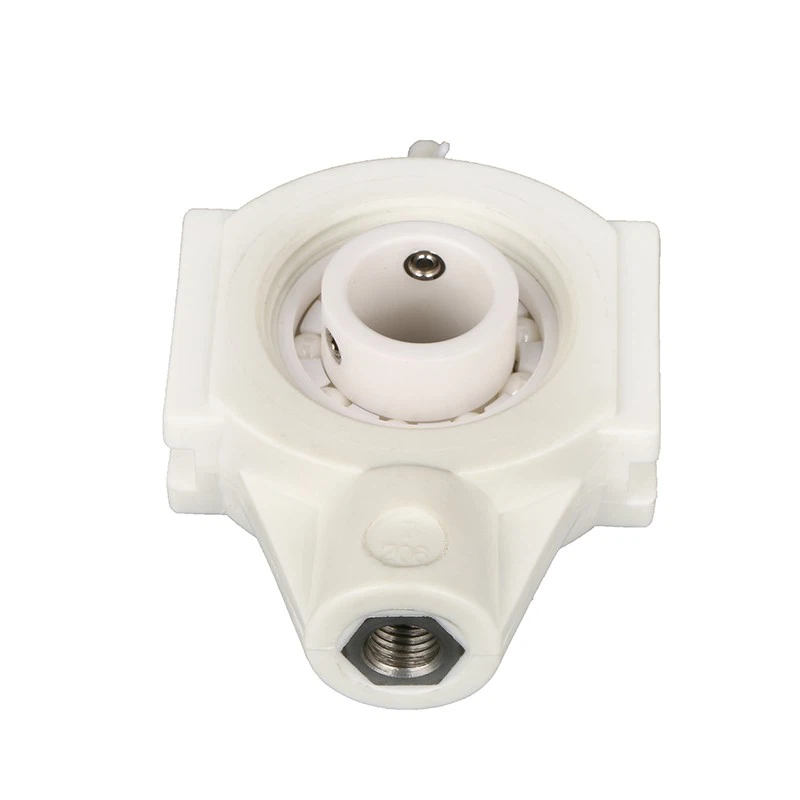
As a supplier of plastic bearing housings, I've witnessed firsthand the diverse and crucial roles these components play across various industries. Plastic bearing housings are not just simple enclosures; they are integral parts that contribute significantly to the smooth operation and longevity of machinery. In this blog, I'll delve into the functions of plastic bearing housings, exploring their unique features and benefits.
1. Support and Alignment
One of the primary functions of a plastic bearing housing is to provide stable support for the bearing. Bearings are responsible for reducing friction and enabling smooth rotation of shafts, but they need a proper structure to hold them in place. The housing acts as a secure base, preventing the bearing from moving or shifting during operation. This support is essential for maintaining the correct alignment of the shaft, which is crucial for the efficient functioning of the entire mechanical system.
Proper alignment ensures that the load is evenly distributed across the bearing, reducing wear and tear and extending its service life. Misalignment can lead to increased friction, overheating, and premature failure of the bearing. Plastic bearing housings are designed with precision to ensure accurate alignment, even in challenging operating conditions.
2. Protection
Plastic bearing housings offer excellent protection for the bearings they house. They shield the bearings from external contaminants such as dust, dirt, moisture, and chemicals. These contaminants can cause damage to the bearing surfaces, leading to increased friction, corrosion, and ultimately, bearing failure.
The housing acts as a barrier, preventing these harmful substances from entering the bearing and ensuring its smooth operation. Additionally, plastic is a non - porous material, which makes it resistant to corrosion and chemical attack. This property is particularly valuable in industries where the machinery is exposed to harsh environments, such as food processing, chemical manufacturing, and marine applications.
For example, in the food processing industry, plastic bearing housings are preferred because they are easy to clean and sanitize, ensuring compliance with strict hygiene standards. They also do not rust or corrode, which could contaminate the food products.
3. Noise and Vibration Dampening
Another important function of plastic bearing housings is to dampen noise and vibration. During the operation of a machine, the rotation of the shaft and the interaction between the bearing and other components can generate noise and vibration. Excessive noise can be a nuisance in the workplace and may even pose a health risk to workers. Vibration can also cause damage to the machinery over time, leading to premature wear and failure of components.
Plastic has excellent damping properties, which means it can absorb and dissipate the energy generated by noise and vibration. By using plastic bearing housings, the overall noise level of the machine can be reduced, creating a more comfortable and safe working environment. At the same time, the damping effect helps to minimize the impact of vibration on the machinery, improving its reliability and durability.
4. Cost - Effectiveness
Cost is always a significant consideration in any manufacturing or engineering project. Plastic bearing housings offer a cost - effective alternative to metal housings. Plastic is generally less expensive than metals such as steel or aluminum, and the manufacturing process of plastic housings is often simpler and more economical.
Injection molding is a common manufacturing method for plastic bearing housings, which allows for high - volume production with relatively low tooling costs. This makes plastic housings a more affordable option, especially for applications where a large number of units are required. Additionally, the lightweight nature of plastic reduces transportation costs and energy consumption, further contributing to cost savings.
5. Versatility
Plastic bearing housings are highly versatile and can be designed to meet a wide range of application requirements. They can be molded into various shapes and sizes, allowing for customized designs to fit specific machinery. Plastic materials also offer a high degree of flexibility in terms of their mechanical properties.
For example, different types of plastics can be used to achieve different levels of strength, stiffness, and chemical resistance. Some plastics can be formulated to have high - temperature resistance, making them suitable for applications in high - heat environments. Others can be made to be electrically insulating, which is useful in applications where electrical conductivity needs to be avoided.
We offer a wide range of plastic bearing housings, including IP54 with Composite Bearing Units and Plastic Nylon Stainless Steel Bearing Seat, which are designed to meet the diverse needs of our customers.
6. Lightweight
The lightweight nature of plastic bearing housings is a significant advantage in many applications. In industries where weight is a critical factor, such as aerospace and automotive, the use of plastic housings can help to reduce the overall weight of the machinery. This not only improves fuel efficiency but also reduces the load on other components, leading to longer service life.
In portable equipment, the lightweight design of plastic bearing housings makes the equipment easier to handle and move. This is particularly important in applications where the equipment needs to be transported or used in different locations.
Conclusion
In conclusion, plastic bearing housings play a vital role in the performance and reliability of mechanical systems. Their functions of support and alignment, protection, noise and vibration dampening, cost - effectiveness, versatility, and lightweight design make them an ideal choice for a wide range of applications.
If you are in need of high - quality plastic bearing housings for your project, we are here to help. Our extensive product range and expertise in plastic bearing housing manufacturing ensure that we can provide you with the best solutions to meet your specific requirements. Contact us today to discuss your needs and start a procurement negotiation.

References
- Budynas, R. G., & Nisbett, J. K. (2011). Shigley's Mechanical Engineering Design. McGraw - Hill.
- Callister, W. D., & Rethwisch, D. G. (2014). Materials Science and Engineering: An Introduction. Wiley.
- Juvinall, R. C., & Marshek, K. M. (2011). Fundamentals of Machine Component Design. Wiley.


