


Hey there! As a supplier of plastic bearing housings, I often get asked about the electrical conductivity of these components. It's a pretty important topic, especially when you're looking at how these housings perform in different environments. So, let's dive right in and explore what the electrical conductivity of a plastic bearing housing is all about.
First off, we need to understand what electrical conductivity means. In simple terms, it's a measure of how easily an electric current can flow through a material. Materials that allow electricity to flow easily are called conductors, like metals. On the other hand, materials that don't let electricity pass through easily are insulators.
Plastic, in general, is known to be an insulator. This is one of the reasons why plastic bearing housings are so popular. They can provide electrical isolation, which is super useful in many applications. For example, in electrical equipment where you don't want electrical currents to leak or cause interference, plastic bearing housings can act as a barrier.
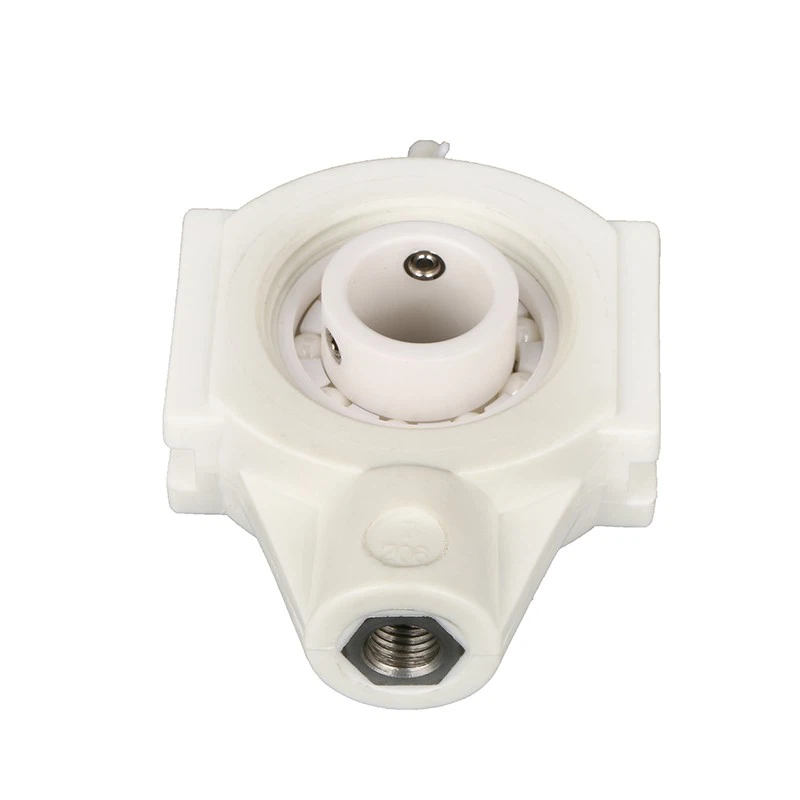

But here's the thing - not all plastics are created equal when it comes to electrical conductivity. There are different types of plastics used in making bearing housings, and their conductivity can vary. Some plastics have very low conductivity, almost close to zero, which makes them excellent insulators. These are the ones you'd want to use in applications where electrical isolation is crucial.
However, there are also special types of plastics that can be made to have some level of electrical conductivity. These are often called conductive plastics. They're created by adding conductive fillers, like carbon fibers or metal particles, to the plastic matrix. These fillers create a path for the electric current to flow through the plastic, increasing its conductivity.
Now, why would you want a plastic bearing housing with some electrical conductivity? Well, there are a few reasons. One is for electrostatic discharge (ESD) protection. In some industrial environments, static electricity can build up on the surface of equipment. This static charge can cause damage to sensitive electronic components or even create a fire hazard. A conductive plastic bearing housing can help to dissipate this static charge safely, preventing these problems.
Another reason is for grounding purposes. In electrical systems, it's important to have a proper ground connection to ensure safety and proper operation. A conductive plastic bearing housing can be used as part of the grounding system, allowing the electrical current to flow safely to the ground.
As a supplier of plastic bearing housings, we offer a range of products with different electrical conductivity properties. Whether you need a highly insulating housing for your electrical equipment or a conductive one for ESD protection, we've got you covered.
For those of you interested in our product range, check out our Plastic Nylon Stainless Steel Bearing Seat. This product is made from high-quality materials and offers excellent electrical insulation properties. It's suitable for a wide range of applications, from small electrical devices to large industrial machinery.
We also have the IP54 with Composite Bearing Units. These units are designed to provide a high level of protection against dust and water ingress, while also offering the option of conductive or insulating plastic housings. They're a great choice for harsh industrial environments where reliability is key.
When it comes to choosing the right plastic bearing housing for your application, it's important to consider the electrical conductivity requirements. You need to think about whether you need insulation, ESD protection, or grounding. If you're not sure, our team of experts is here to help. We can provide you with all the information you need and recommend the best product for your specific needs.
In conclusion, the electrical conductivity of a plastic bearing housing can vary depending on the type of plastic used and whether it's been modified with conductive fillers. Understanding these properties is crucial for choosing the right housing for your application. Whether you need an insulator or a conductor, we have the products and expertise to meet your requirements.
If you're interested in purchasing plastic bearing housings or have any questions about our products, don't hesitate to reach out. We're always happy to have a chat and discuss how we can help you with your project. Let's work together to find the perfect solution for your needs.
References
- Materials Science and Engineering textbooks
- Industry reports on plastic bearing housing applications


