


What is the elastic modulus of a nylon roller?
As a seasoned supplier of nylon rollers, I've encountered numerous inquiries regarding the technical specifications of our products. One question that frequently arises is about the elastic modulus of a nylon roller. Understanding this property is crucial for customers as it directly impacts the performance and suitability of the roller for various applications.
Understanding the Elastic Modulus
The elastic modulus, also known as Young's modulus, is a fundamental mechanical property that measures the stiffness of a material. It represents the ratio of stress (force per unit area) to strain (deformation) within the elastic range of the material. In simpler terms, it tells us how much a material will stretch or compress when a force is applied to it.
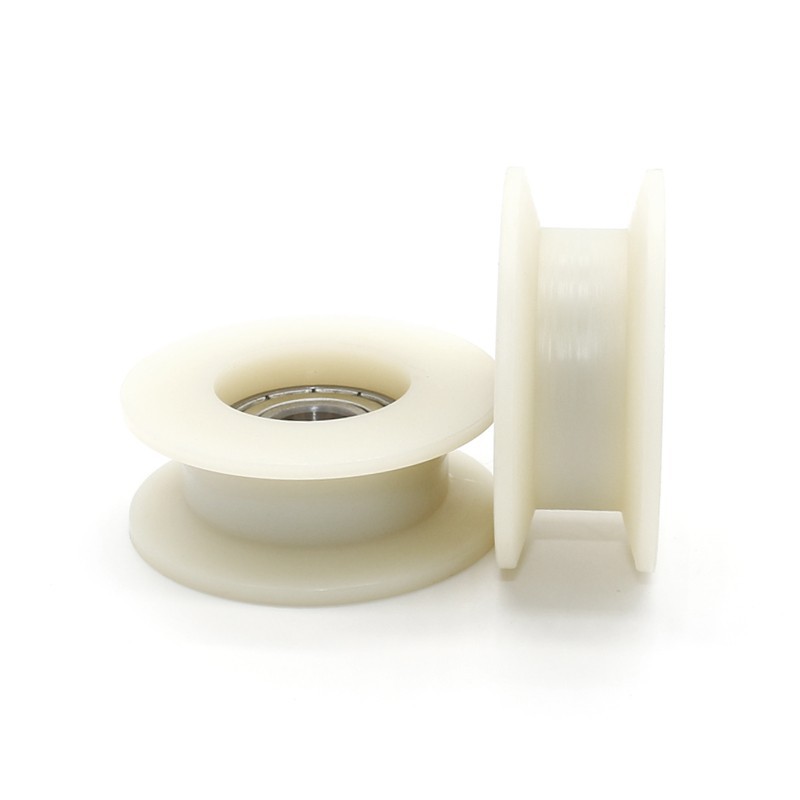

For nylon rollers, the elastic modulus is an important parameter because it determines how the roller will respond to loads and forces during operation. A higher elastic modulus indicates a stiffer material, which means the roller will deform less under load. On the other hand, a lower elastic modulus means the roller is more flexible and will deform more easily.
Factors Affecting the Elastic Modulus of Nylon Rollers
The elastic modulus of a nylon roller can be influenced by several factors, including:
- Nylon Type: There are different types of nylon, such as nylon 6, nylon 66, and nylon 12, each with its own unique properties. The type of nylon used in the roller can significantly affect its elastic modulus. For example, nylon 66 generally has a higher elastic modulus compared to nylon 6, making it stiffer and more suitable for applications where high stiffness is required.
- Additives and Fillers: Nylon rollers may contain additives and fillers to enhance certain properties. For instance, glass fibers are often added to nylon to increase its strength and stiffness. The presence of these additives and fillers can increase the elastic modulus of the roller.
- Processing Conditions: The manufacturing process of the nylon roller can also impact its elastic modulus. Factors such as the molding temperature, cooling rate, and pressure can affect the molecular structure of the nylon, which in turn affects its mechanical properties.
Measuring the Elastic Modulus of Nylon Rollers
To determine the elastic modulus of a nylon roller, a standardized test method is typically used. One common method is the tensile test, where a sample of the nylon roller is subjected to a gradually increasing tensile force until it reaches its elastic limit. The stress and strain values are measured during the test, and the elastic modulus is calculated as the slope of the stress-strain curve within the elastic range.
It's important to note that the elastic modulus can vary depending on the direction of the applied force. Nylon rollers may exhibit anisotropic behavior, meaning their mechanical properties can be different in different directions. Therefore, it's essential to measure the elastic modulus in the relevant direction for the intended application.
Importance of Elastic Modulus in Nylon Roller Applications
The elastic modulus of a nylon roller plays a crucial role in its performance in various applications. Here are some examples:
- Sliding Door Applications: In sliding door systems, nylon rollers are used to support the weight of the door and allow it to slide smoothly. A roller with a suitable elastic modulus is essential to ensure proper load distribution and minimize deformation under the weight of the door. For example, our Nylon Roller 6001ZZ and Nylon Roller 6002ZZ are designed with the appropriate elastic modulus to provide reliable performance in sliding door applications.
- Conveyor Systems: Nylon rollers are commonly used in conveyor systems to transport goods. The elastic modulus of the rollers affects their ability to withstand the weight of the conveyed materials and maintain a smooth surface for efficient transport. A roller with a high elastic modulus can better resist deformation and ensure consistent performance over time.
- Industrial Machinery: In industrial machinery, nylon rollers are used in various components such as bearings, pulleys, and guides. The elastic modulus of the rollers is important for ensuring proper alignment, reducing friction, and minimizing wear and tear.
Selecting the Right Nylon Roller Based on Elastic Modulus
When selecting a nylon roller for a specific application, it's important to consider the required elastic modulus. Here are some tips to help you make the right choice:
- Understand the Application Requirements: Determine the load, speed, and environmental conditions of the application. This will help you identify the appropriate elastic modulus range for the roller.
- Consult with a Supplier: As a nylon roller supplier, we have extensive knowledge and experience in selecting the right roller for different applications. We can provide you with technical advice and recommend the most suitable roller based on your specific requirements.
- Test and Evaluate: If possible, conduct tests on the roller samples to evaluate their performance under the actual operating conditions. This will help you verify if the roller has the desired elastic modulus and other mechanical properties.
Conclusion
The elastic modulus of a nylon roller is a critical property that affects its performance and suitability for various applications. By understanding the factors that influence the elastic modulus, measuring it accurately, and selecting the right roller based on the application requirements, you can ensure optimal performance and reliability.
If you're in the market for high-quality nylon rollers, we're here to help. Our team of experts can assist you in choosing the right roller for your specific needs. Contact us today to start a discussion about your nylon roller requirements and explore how our products can meet your expectations.
References
- Callister, W. D., & Rethwisch, D. G. (2018). Materials Science and Engineering: An Introduction. Wiley.
- ASTM D638 - 14e1. (2014). Standard Test Method for Tensile Properties of Plastics. ASTM International.


