


Humidity, a seemingly innocuous environmental factor, can have a profound impact on ceramic ball bearings. As a supplier of high - quality ceramic ball bearings, understanding these effects is crucial for both us and our customers. In this blog, we will delve into the various ways humidity can influence ceramic ball bearings and how to mitigate potential issues.
1. Basic Properties of Ceramic Ball Bearings
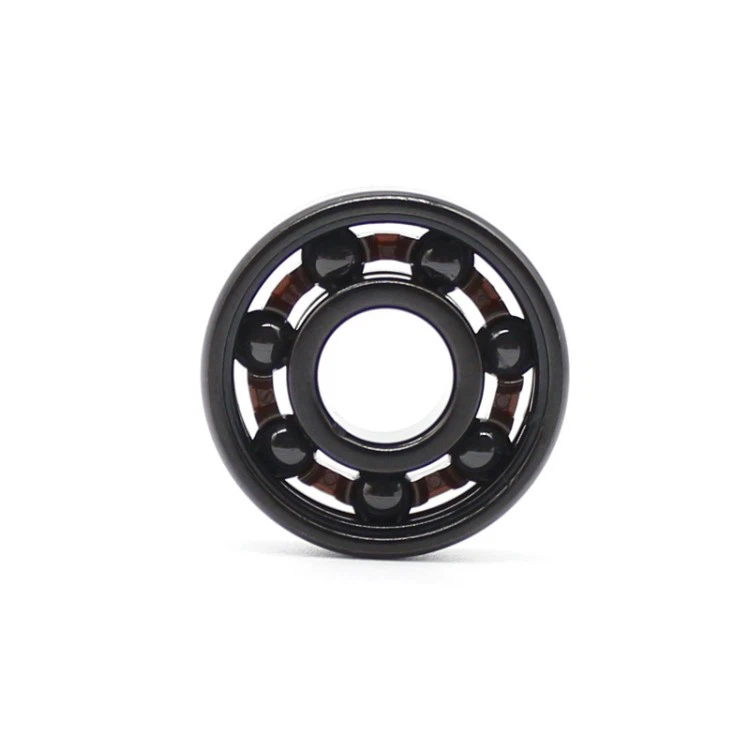
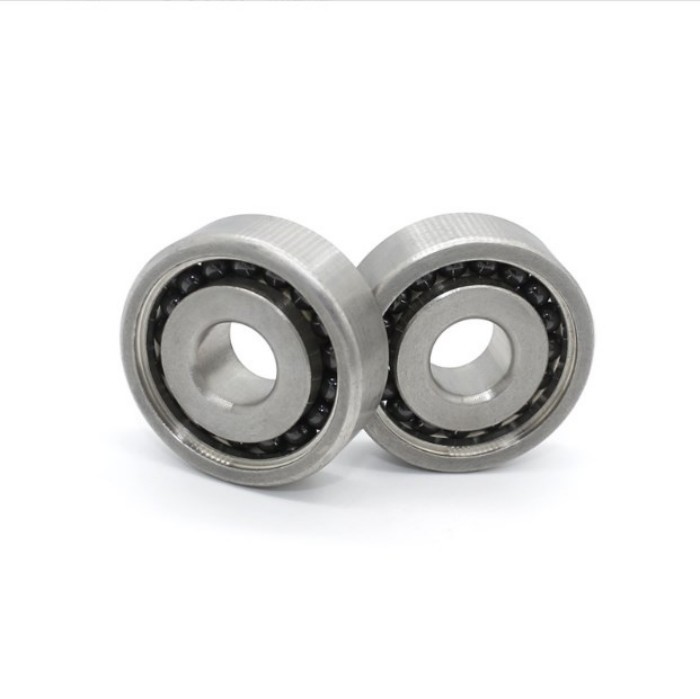
Ceramic ball bearings are renowned for their superior performance compared to traditional steel bearings. They offer lower density, higher hardness, better corrosion resistance, and lower thermal expansion. These properties make them ideal for a wide range of applications, from high - speed machinery to aerospace equipment. There are different types of ceramic ball bearings, such as Hybrid Ceramic Bearings, Zirconia Bearings, and Silicon Nitride Bearings. Each type has its own unique characteristics and is suitable for specific operating conditions.
2. Effects of Humidity on Ceramic Ball Bearings
Corrosion and Oxidation
Although ceramic materials are generally more corrosion - resistant than steel, high humidity can still pose a threat. In the presence of moisture, certain contaminants in the environment can react with the ceramic surface. For example, in an industrial setting where there may be sulfur compounds in the air, the combination of humidity and these contaminants can lead to a slow chemical reaction on the surface of the ceramic balls. This can cause surface degradation over time, which may lead to increased friction and wear.
In the case of hybrid ceramic bearings, where the outer and inner rings are often made of steel, the steel components are particularly vulnerable to corrosion in high - humidity environments. Rust can form on the steel surfaces, which not only affects the appearance but also the functionality of the bearing. The rust can flake off and enter the bearing's working area, causing abrasion to the ceramic balls and potentially leading to premature failure.
Hygroscopic Expansion
Some ceramic materials have a certain degree of hygroscopicity, which means they can absorb moisture from the air. When ceramic ball bearings absorb moisture, they may undergo a small amount of expansion. This expansion can be problematic, especially in applications where tight tolerances are required. For instance, in precision machinery, even a slight change in the dimensions of the ceramic balls due to hygroscopic expansion can lead to misalignment within the bearing assembly. This misalignment can result in uneven loading, increased vibration, and reduced bearing life.
Lubrication Degradation
Humidity can also affect the lubrication of ceramic ball bearings. Most bearings rely on lubricants to reduce friction and wear. In a high - humidity environment, water can mix with the lubricant, causing it to emulsify. An emulsified lubricant loses its original lubricating properties, which can lead to increased friction between the ceramic balls and the raceways. Moreover, water in the lubricant can promote the growth of microorganisms, such as bacteria and fungi, which can further degrade the lubricant and cause damage to the bearing surfaces.
3. Impact on Different Types of Ceramic Ball Bearings
Zirconia Bearings
Zirconia is a ceramic material with relatively high toughness. However, it is also more prone to water - induced degradation compared to some other ceramics. In high - humidity conditions, zirconia can undergo a phase transformation when in contact with water. This phase transformation can cause micro - cracking on the surface of the zirconia balls, which can significantly reduce their mechanical strength and wear resistance. As a result, the performance and lifespan of Zirconia Bearings can be severely affected.
Silicon Nitride Bearings
Silicon nitride is known for its excellent chemical stability and high - temperature performance. While it is more resistant to humidity - related degradation than zirconia, it is not completely immune. In extremely high - humidity environments, silicon nitride can react with water vapor to form a thin layer of silicon oxide on its surface. Although this layer is relatively stable, it can change the surface properties of the ceramic balls, potentially affecting the lubrication and friction characteristics of the bearing.
4. Mitigation Strategies
Environmental Control
One of the most effective ways to mitigate the effects of humidity on ceramic ball bearings is to control the operating environment. This can be achieved by using dehumidifiers in enclosed spaces where the bearings are installed. Maintaining a low - humidity environment, typically below 40% relative humidity, can significantly reduce the risk of corrosion, hygroscopic expansion, and lubrication degradation.
Protective Coatings
Applying protective coatings to the ceramic ball bearings can also provide an additional layer of protection against humidity. These coatings can act as a barrier, preventing moisture from coming into direct contact with the ceramic surface. There are various types of coatings available, such as polymer - based coatings and ceramic - based coatings. Each type has its own advantages and is suitable for different applications.
Proper Lubrication Selection
Choosing the right lubricant is crucial in high - humidity environments. Some lubricants are specifically formulated to resist water and prevent emulsification. These lubricants often contain additives that can repel water and protect the bearing surfaces. Regular lubricant replacement and monitoring are also necessary to ensure that the lubricant remains effective over time.
5. Conclusion
Humidity can have a significant impact on ceramic ball bearings, affecting their performance, reliability, and lifespan. As a supplier of ceramic ball bearings, we are committed to providing our customers with high - quality products and comprehensive solutions to address the challenges posed by humidity. By understanding the effects of humidity and implementing appropriate mitigation strategies, we can ensure that our ceramic ball bearings perform optimally in various operating conditions.
If you are interested in our ceramic ball bearings or have any questions regarding their performance in different environmental conditions, we encourage you to contact us for a detailed discussion. Our team of experts is ready to assist you in selecting the most suitable bearings for your specific applications and providing you with the best possible solutions.
References
- "Ceramic Materials Science and Engineering" by J. Reed
- "Bearing Technology Handbook" by T. Harris
- Industry research reports on ceramic ball bearings and environmental factors


