


Hey there! As a camshaft follower supplier, I've had my fair share of experience dealing with these crucial engine components. One question that often pops up is: What are the differences between camshaft followers in industrial engines and automotive engines? Well, let's dive right in and explore this topic.
1. Design and Construction
First off, the design and construction of camshaft followers can vary quite a bit between industrial and automotive engines.
In automotive engines, space is often at a premium. Car manufacturers are constantly trying to make engines more compact without sacrificing performance. So, automotive camshaft followers are typically designed to be lightweight and small. They're often made from materials like high - strength steel or aluminum alloys. These materials help reduce the overall weight of the engine, which in turn improves fuel efficiency and acceleration. For example, in a modern four - cylinder car engine, the camshaft followers need to fit neatly within a tight engine block layout.
On the other hand, industrial engines are usually built for heavy - duty applications. They're designed to run continuously for long periods, often in harsh environments. Industrial camshaft followers are generally larger and more robust. They're made from materials that can withstand high loads and extreme temperatures. Cast iron and forged steel are common choices. These materials offer excellent durability and can handle the high - stress conditions that industrial engines are subjected to. For instance, in a large industrial generator engine, the camshaft followers need to be able to operate smoothly even when the engine is running at full capacity for days on end.
2. Operating Conditions
The operating conditions of industrial and automotive engines are also quite different, and this has a big impact on the camshaft followers.
Automotive engines are designed to operate in a wide range of conditions, but they usually have relatively short operating cycles. A typical car engine might be started and stopped multiple times a day, and it operates at different speeds depending on traffic conditions. The camshaft followers in automotive engines need to be able to adapt quickly to these changes. They also need to be quiet and smooth - operating to provide a comfortable driving experience. For example, when you're stuck in traffic, the camshaft followers need to work efficiently at low speeds, and when you hit the highway, they need to handle high - speed operation without making a lot of noise.
Industrial engines, however, often operate under more consistent conditions. They're usually set to run at a specific speed for long periods. But the loads they carry are much heavier. For example, an industrial engine in a mining truck might be constantly under a heavy load as it hauls tons of ore. The camshaft followers in these engines need to be able to handle these high - load, continuous - operation scenarios. They also need to be resistant to wear and tear caused by dust, dirt, and other contaminants that are common in industrial environments.
3. Performance Requirements
Performance requirements are another area where the camshaft followers in industrial and automotive engines differ.
In automotive engines, performance is often measured in terms of power, fuel efficiency, and emissions. Camshaft followers play a crucial role in optimizing these factors. For example, a well - designed camshaft follower can help improve the engine's valve timing, which in turn can increase power output and reduce fuel consumption. Automotive camshaft followers also need to be designed to meet strict emissions standards. They need to ensure that the engine burns fuel cleanly and efficiently to minimize harmful emissions.
Industrial engines, on the other hand, are more focused on reliability and durability. The performance of an industrial engine is often measured by its ability to run continuously without breakdowns. Camshaft followers in industrial engines need to be able to maintain their performance over long periods. They need to have a long service life and require minimal maintenance. For example, in a power plant, an engine outage can be extremely costly, so the camshaft followers need to be reliable to keep the power generation process running smoothly.
4. Lubrication and Cooling
Lubrication and cooling are essential for the proper functioning of camshaft followers, and the requirements are different for industrial and automotive engines.
Automotive engines usually have a more sophisticated lubrication system. The oil in an automotive engine needs to not only lubricate the camshaft followers but also keep the engine clean and cool. The oil is circulated throughout the engine at high pressure to ensure that all components, including the camshaft followers, are well - lubricated. The camshaft followers in automotive engines are designed to work with this type of lubrication system. They often have small oil passages or grooves to help distribute the oil evenly.
Industrial engines, due to their larger size and higher heat generation, may require more complex cooling and lubrication systems. In some industrial engines, the camshaft followers may have their own dedicated lubrication circuits. These circuits can provide a higher volume of oil at a specific pressure to ensure proper lubrication under heavy loads. Cooling is also more critical in industrial engines. Some industrial camshaft followers may be designed with cooling fins or other features to help dissipate heat more effectively.

5. Cost Considerations
Cost is always a factor when it comes to engine components, and the camshaft followers for industrial and automotive engines are no exception.
In the automotive industry, cost is a major consideration due to the high - volume production. Car manufacturers are constantly looking for ways to reduce costs without sacrificing quality. Automotive camshaft followers are often mass - produced, which helps keep the cost down. The materials used are also chosen based on cost - effectiveness. For example, aluminum alloys are a popular choice in automotive camshaft followers because they offer a good balance between weight, performance, and cost.
In the industrial sector, the cost of the camshaft followers is often secondary to reliability and performance. Industrial engines are expensive to operate and maintain, and a breakdown can result in significant losses. So, industrial camshaft followers are often more expensive because they are made from high - quality materials and are designed to last a long time. The cost of the camshaft followers is seen as an investment in the long - term reliability of the engine.
Conclusion
So, as you can see, there are significant differences between camshaft followers in industrial engines and automotive engines. These differences stem from the unique design, operating conditions, performance requirements, lubrication and cooling needs, and cost considerations of each type of engine.
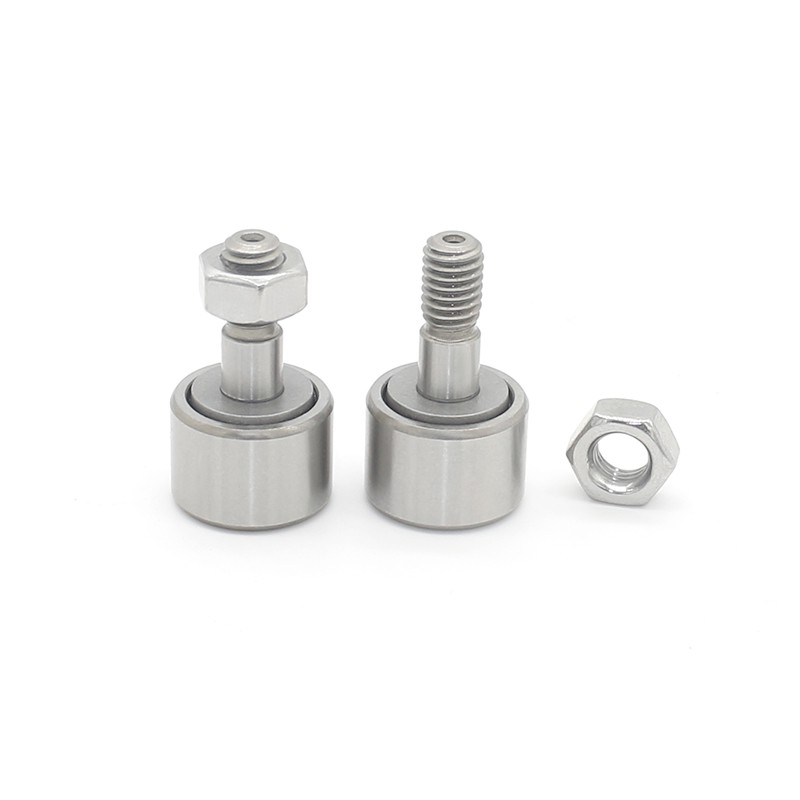
If you're in the market for camshaft followers, whether for an industrial or automotive application, we've got you covered. We offer a wide range of high - quality camshaft followers, including Stainless Steel Cam Followers and Stainless Steel Camshaft. Our products are designed to meet the specific needs of different engines, ensuring optimal performance and reliability.
If you're interested in learning more or discussing your specific requirements, don't hesitate to get in touch. We're here to help you find the perfect camshaft followers for your engine. Let's start a conversation and see how we can work together to meet your needs.
References
- Heywood, J. B. (1988). Internal Combustion Engine Fundamentals. McGraw - Hill.
- Taylor, C. F. (1985). The Internal Combustion Engine in Theory and Practice. MIT Press.


