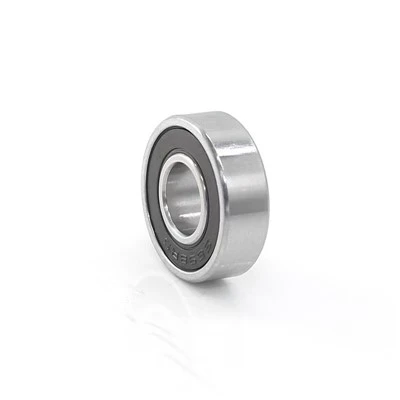
Hey there! As a motor bearings supplier, I've seen firsthand how crucial it is to test the performance of motor bearings. In this blog, I'll share some practical ways to test motor bearings and why it matters.
Why Testing Motor Bearings is Important
Before we dive into the testing methods, let's talk about why we even need to test motor bearings. Motor bearings play a vital role in the smooth operation of motors. They reduce friction between moving parts, support the load, and ensure the motor runs efficiently. If a bearing fails, it can lead to all sorts of problems, like increased vibration, noise, and even motor breakdown. That's why regular testing is essential to catch any issues early and prevent costly repairs.
Visual Inspection
The first step in testing motor bearings is a visual inspection. This is a simple but effective way to spot any obvious signs of damage or wear. Here's what you need to do:
- Clean the Bearing: Before you start inspecting, make sure the bearing is clean. You can use a degreaser to remove any dirt, grease, or debris.
- Check for Damage: Look for any cracks, chips, or dents on the bearing's outer ring, inner ring, and rolling elements. These can be signs of physical damage or excessive wear.
- Inspect the Lubrication: Check the lubrication inside the bearing. If the lubricant is dirty, contaminated, or low, it can cause the bearing to overheat and wear out faster.
Noise and Vibration Analysis
Noise and vibration analysis is another important method for testing motor bearings. Bearings that are in good condition should run quietly and smoothly. Any unusual noise or vibration can be a sign of a problem. Here's how you can do it:
- Use a Stethoscope: A stethoscope is a simple tool that can help you listen to the bearing's operation. Place the stethoscope on the bearing housing and listen for any abnormal sounds, like grinding, clicking, or rattling.
- Vibration Analysis: You can also use a vibration analyzer to measure the bearing's vibration levels. A sudden increase in vibration can indicate a problem with the bearing, such as misalignment, imbalance, or wear.
Temperature Monitoring
Monitoring the temperature of the bearing is another way to test its performance. Bearings that are operating normally should have a stable temperature. An increase in temperature can be a sign of excessive friction, which can lead to premature wear and failure. Here's how you can monitor the temperature:


- Use a Thermometer: You can use a contact or non-contact thermometer to measure the bearing's temperature. Make sure to measure the temperature at the same location each time to get accurate readings.
- Set Temperature Limits: Based on the bearing's specifications, set temperature limits for normal operation. If the temperature exceeds these limits, it's a sign that something is wrong.
Lubrication Testing
Lubrication is essential for the proper operation of motor bearings. It reduces friction, prevents wear, and helps dissipate heat. Testing the lubrication can help you ensure that the bearing is properly lubricated. Here's how you can do it:
- Sample the Lubricant: Take a sample of the lubricant from the bearing and send it to a laboratory for analysis. The laboratory can test the lubricant for viscosity, contamination, and other properties.
- Check the Lubrication Level: Make sure the bearing has the right amount of lubrication. If the lubrication level is too low, it can cause the bearing to overheat and wear out faster.
Load Testing
Load testing is a more advanced method for testing motor bearings. It involves applying a load to the bearing and measuring its performance under different conditions. Here's how you can do it:
- Use a Test Rig: A test rig is a device that can apply a load to the bearing and measure its performance. You can use a test rig to simulate different operating conditions, such as speed, load, and temperature.
- Monitor the Performance: During the load test, monitor the bearing's performance, such as vibration, temperature, and noise. Any changes in these parameters can indicate a problem with the bearing.
Our Products
As a motor bearings supplier, we offer a wide range of high-quality bearings for different applications. Here are some of our popular products:
- Electric Vehicle Specific Bearing 6203 -2RS: This bearing is specifically designed for electric vehicles. It has a high load capacity and can withstand high speeds.
- Special Bearing 6905-2RS For Automotive Steering Systems: This bearing is used in automotive steering systems. It has a low friction coefficient and can provide smooth operation.
- Car Wiper Motor Special Bearing S607ZZ: This bearing is designed for car wiper motors. It has a high precision and can withstand high frequencies.
Conclusion
Testing the performance of motor bearings is essential for ensuring the smooth operation of motors. By using the methods described in this blog, you can detect any issues early and prevent costly repairs. If you're looking for high-quality motor bearings, we're here to help. Contact us to discuss your requirements and let's start a great business partnership!
References
- "Bearing Handbook" by SKF
- "Motor Bearing Maintenance and Troubleshooting" by ABB