


Selecting the appropriate linear ball bearing for a specific application can be a bit of a head - scratcher. But don't worry! As a linear ball bearing supplier, I've got plenty of experience in this area, and I'm here to guide you through the process.
Understanding Your Application Requirements
First things first, you need to have a clear understanding of your application. What kind of load will the bearing be dealing with? Is it a light - duty application like a 3D printer, or a heavy - duty one such as in industrial machinery?
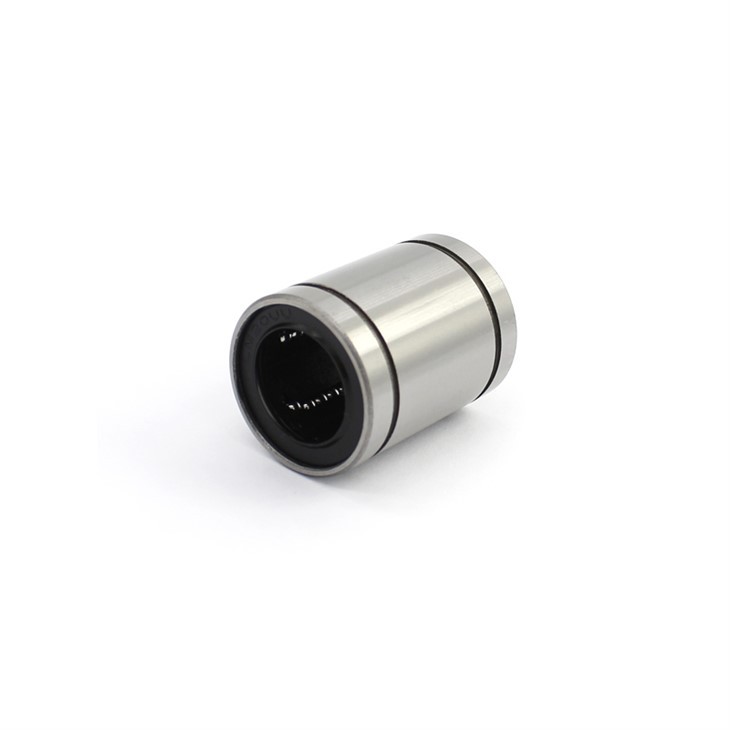
For light - duty applications, a bearing with a lower load - carrying capacity might be sufficient. For instance, the LM10UU Bearing is a great option for light - load and low - speed scenarios. It's small, compact, and can handle relatively light forces without any issues.
On the other hand, if you're dealing with heavy loads, you'll need a bearing that can withstand more stress. Linear bearings with larger diameters and more robust construction are usually the way to go. The LM16UU Bearing is a step up in terms of load - handling capacity compared to the LM10UU. It's designed to handle heavier weights and more demanding applications.
Another important factor is the speed of operation. How fast will the bearing be moving? High - speed applications require bearings that can handle the rapid movement without overheating or wearing out too quickly. Some bearings are specifically designed for high - speed operation, with features like low - friction materials and optimized ball arrangements.
Considering the Environment
The environment in which the bearing will operate also plays a crucial role. Is it a clean, dry environment, or is it exposed to dust, moisture, or chemicals?
In a clean environment, you can usually go with standard linear ball bearings. However, if there's a lot of dust or debris, you might want to consider bearings with seals or shields. These can prevent contaminants from getting inside the bearing and causing damage.
Moisture is another concern. If the bearing will be in a wet or humid environment, it's important to choose a bearing that is corrosion - resistant. Stainless - steel bearings are a great option in such cases, as they can withstand the effects of moisture and prevent rust from forming.
Chemical exposure is yet another factor. If the bearing will come into contact with chemicals, you need to select a bearing material that is resistant to those specific chemicals. Some bearings are made from special polymers that can handle chemical exposure better than traditional metal bearings.
Shaft Compatibility
The shaft on which the linear ball bearing will run is equally important. The shaft needs to have the right diameter and surface finish. A shaft that is too small or too large can cause the bearing to wear out quickly or not function properly.
The surface finish of the shaft also matters. A smooth shaft surface reduces friction and wear on the bearing. It's a good idea to use a shaft that is specifically designed for linear bearings to ensure optimal performance.
Installation and Maintenance
When selecting a linear ball bearing, you should also think about how easy it is to install and maintain. Some bearings are designed for quick and easy installation, which can save you time and effort.
Maintenance is also key. Bearings that require less frequent maintenance can reduce downtime and overall costs. Look for bearings that are self - lubricating or have long - lasting lubrication features.
Types of Linear Ball Bearings
There are different types of linear ball bearings available, each with its own advantages. For example, Linear Roller Bearings are great for applications that require high - load capacity and high - precision movement. They use rollers instead of balls, which can distribute the load more evenly and provide better stability.
Cost - Benefit Analysis
Finally, you need to consider the cost. While it might be tempting to go for the cheapest option, it's important to remember that quality matters. A low - cost bearing might end up costing you more in the long run if it fails prematurely or requires frequent replacement.
Do a cost - benefit analysis. Compare the prices of different bearings with their features and performance. Sometimes, spending a little more upfront on a high - quality bearing can save you a lot of money and headaches down the road.
Conclusion
Selecting the appropriate linear ball bearing for a specific application is a multi - faceted process. You need to take into account the load requirements, speed of operation, environment, shaft compatibility, installation and maintenance, and cost. As a linear ball bearing supplier, I can offer you a wide range of options to suit your needs.
If you're still unsure about which bearing is right for your application, don't hesitate to reach out. We can help you make an informed decision based on your specific requirements. Whether you're working on a small DIY project or a large - scale industrial application, we've got the expertise and the products to support you. Let's start a conversation about your project and find the perfect linear ball bearing for you.

References
- "Bearing Selection Handbook" by SKF
- "Mechanical Design Handbook" by Robert C. Juvinall and Kurt M. Marshek


