


Moisture is one of the most significant threats to screw bearings. As a trusted screw bearings supplier, we understand the importance of maintaining the integrity of these crucial components. In this blog post, I'll share some practical strategies to protect screw bearings from moisture, ensuring their longevity and optimal performance.
Understanding the Impact of Moisture on Screw Bearings
Before delving into protective measures, it's essential to understand how moisture affects screw bearings. When moisture comes into contact with the metal surfaces of a screw bearing, it can trigger a series of detrimental processes. Firstly, water can cause oxidation and rust, which not only weakens the structural integrity of the bearing but also increases friction between moving parts. This friction can lead to premature wear and tear, reducing the efficiency of the bearing and potentially causing it to fail prematurely.

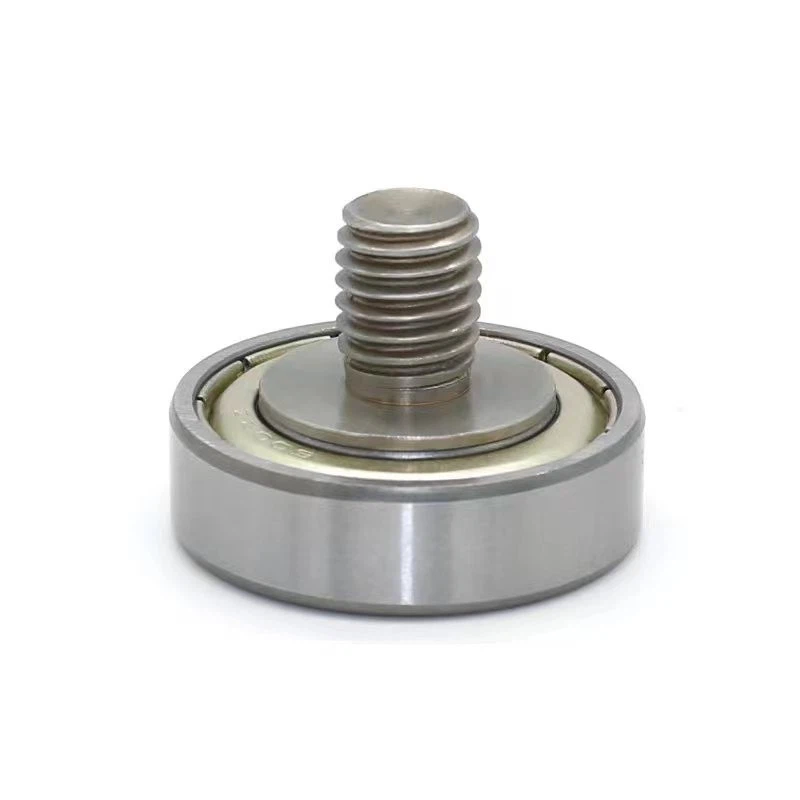
Moreover, moisture can also contaminate the lubricant within the bearing. Lubrication is vital for reducing friction and preventing overheating in screw bearings. When water mixes with the lubricant, it can break down the lubricant's protective film, leading to increased metal-to-metal contact and accelerated wear. In some cases, water can also cause the lubricant to emulsify, resulting in a loss of lubrication properties and further damage to the bearing.
Protective Packaging and Storage
The first line of defense against moisture is proper packaging and storage. As a screw bearings supplier, we take great care in packaging our products to ensure they are protected during transit and storage.
-
Sealed Packaging: We use high-quality, airtight packaging materials to prevent moisture from entering the package. This typically includes plastic bags or containers with tight-fitting seals. Inside the packaging, we also include desiccant packs to absorb any residual moisture. Desiccants are substances that have a high affinity for water and can effectively reduce the humidity level within the package.
-
Climate-Controlled Storage: When storing screw bearings, it's crucial to maintain a stable environment with low humidity. Our storage facilities are equipped with climate control systems to regulate temperature and humidity levels. This helps to prevent condensation from forming on the bearings, which can lead to corrosion. Additionally, we store our bearings in a clean and dry area, away from sources of moisture such as water pipes or open windows.
Surface Treatments
Applying surface treatments to screw bearings can significantly enhance their resistance to moisture. There are several types of surface treatments available, each with its own advantages and applications.
-
Galvanization: Galvanization is a process in which a layer of zinc is applied to the surface of the bearing. Zinc is highly resistant to corrosion and can act as a sacrificial anode, protecting the underlying metal from rust. Galvanized screw bearings are commonly used in outdoor applications where they are exposed to moisture and harsh environmental conditions.
-
Chrome Plating: Chrome plating is another popular surface treatment for screw bearings. Chrome is a hard and durable metal that provides excellent protection against wear and corrosion. In addition to its protective properties, chrome plating also gives the bearing a smooth and shiny finish, which can improve its aesthetic appeal.
-
Anti-Corrosion Coatings: There are also various anti-corrosion coatings available that can be applied to screw bearings. These coatings are typically made of synthetic polymers or resin-based materials and provide a barrier between the metal surface of the bearing and the surrounding environment. Anti-corrosion coatings can be customized to meet specific requirements, such as resistance to high temperatures or chemicals.
Lubrication
Proper lubrication is essential for protecting screw bearings from moisture and ensuring their smooth operation. Lubricants not only reduce friction between moving parts but also help to prevent corrosion by creating a protective film on the metal surface.
-
Selecting the Right Lubricant: When choosing a lubricant for screw bearings, it's important to consider the operating conditions, such as temperature, speed, and load. There are several types of lubricants available, including greases and oils. Greases are commonly used in applications where the bearing operates at low to moderate speeds and temperatures, while oils are preferred for high-speed and high-temperature applications. Additionally, it's important to choose a lubricant that has good water resistance properties to prevent moisture from breaking down the lubricant's protective film.
-
Regular Lubrication Maintenance: To ensure the effectiveness of the lubricant, it's important to perform regular lubrication maintenance. This includes checking the lubricant level and quality at regular intervals and replenishing or replacing the lubricant as needed. It's also important to clean the bearing before applying new lubricant to remove any dirt, debris, or old lubricant that may have accumulated on the surface.
Monitoring and Inspection
Regular monitoring and inspection of screw bearings are essential for detecting early signs of moisture damage and taking appropriate action to prevent further deterioration.
-
Visual Inspection: A visual inspection of the bearing can reveal signs of corrosion, such as rust spots or discoloration. It's also important to check for any signs of wear or damage, such as cracks or chips in the bearing surfaces. If any signs of damage are detected, the bearing should be replaced immediately to prevent further problems.
-
Temperature and Vibration Monitoring: Monitoring the temperature and vibration levels of the bearing can also provide valuable information about its condition. An increase in temperature or vibration can indicate a problem with the bearing, such as excessive friction or misalignment. If any abnormal temperature or vibration levels are detected, the bearing should be inspected thoroughly to identify the cause of the problem and take appropriate action.
Conclusion
Protecting screw bearings from moisture is crucial for ensuring their longevity and optimal performance. As a screw bearings supplier, we are committed to providing our customers with high-quality products and expert advice on how to protect their bearings from moisture and other environmental factors. By following the strategies outlined in this blog post, you can significantly reduce the risk of moisture damage to your screw bearings and extend their service life.
If you are interested in purchasing high-quality screw bearings or need further advice on how to protect them from moisture, please don't hesitate to [initiate a conversation with us]. We offer a wide range of screw bearings, including Screw BearingsS609ZZ, Screw BearingsS696ZZ, and External Threaded Bearing 6002ZZ With Screw. Our team of experts is always ready to assist you with your bearing needs.
References
- Harris, T. A., & Kotzalas, M. N. (2007). Rolling Bearing Analysis. Wiley.
- Zaretsky, E. V. (2001). Ball and Roller Bearing Engineering. CRC Press.
- ASM Handbook Committee. (2004). ASM Handbook Volume 13C: Corrosion: Prevention and Control. ASM International.


