


Hey there! As a supplier of GE50 Bearing, I've seen my fair share of issues with these bad boys overheating. It's a common problem that can lead to all sorts of headaches, from reduced performance to complete bearing failure. But don't worry, I'm here to share some tips on how you can prevent your GE50 Bearing from overheating.

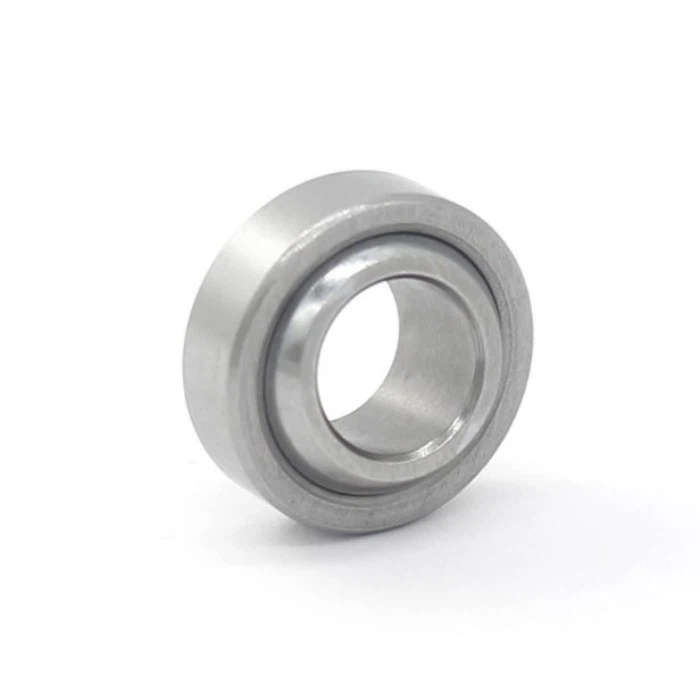
First off, let's talk about what causes a bearing to overheat. There are a few different factors that can contribute to this issue, including improper lubrication, excessive load, misalignment, and high operating speeds. When any of these things happen, the bearing can start to generate more heat than it can dissipate, which can lead to overheating.
One of the most important things you can do to prevent your GE50 Bearing from overheating is to make sure it's properly lubricated. Lubrication helps to reduce friction between the bearing components, which in turn helps to reduce heat generation. There are a few different types of lubricants you can use for your GE50 Bearing, including oil and grease. The type of lubricant you choose will depend on a variety of factors, such as the operating conditions of the bearing and the manufacturer's recommendations.
When it comes to lubrication, it's important to follow the manufacturer's guidelines. Over-lubricating the bearing can be just as bad as under-lubricating it, as it can cause the lubricant to break down and lose its effectiveness. On the other hand, under-lubrication can lead to increased friction and heat generation. So, make sure you're using the right amount of lubricant and that you're applying it at the right intervals.
Another important factor to consider is the load on the bearing. Excessive load can cause the bearing to overheat, as it puts more stress on the bearing components. Make sure you're using the right size and type of bearing for your application, and that you're not exceeding the recommended load capacity of the bearing. If you're not sure what the recommended load capacity is, you can refer to the manufacturer's specifications or consult with a bearing expert.
Misalignment is another common cause of overheating in bearings. When a bearing is misaligned, it can cause uneven wear and increased friction, which can lead to overheating. Make sure you're installing the bearing correctly and that it's properly aligned with the shaft and housing. If you're not sure how to install the bearing correctly, you can refer to the manufacturer's installation instructions or consult with a bearing expert.
High operating speeds can also cause a bearing to overheat. When a bearing is operating at high speeds, it generates more heat due to increased friction. Make sure you're using the right type of bearing for your application and that you're not exceeding the recommended operating speed of the bearing. If you're not sure what the recommended operating speed is, you can refer to the manufacturer's specifications or consult with a bearing expert.
In addition to these factors, there are a few other things you can do to prevent your GE50 Bearing from overheating. One of these is to monitor the temperature of the bearing regularly. You can use a temperature sensor or infrared thermometer to measure the temperature of the bearing. If you notice that the temperature is starting to rise, it could be a sign of a problem. You should take action to address the issue before it leads to overheating.
Another thing you can do is to keep the bearing clean. Dirt, debris, and other contaminants can cause the bearing to overheat, as they can increase friction and wear. Make sure you're keeping the bearing clean and free of contaminants. You can use a clean cloth or brush to remove any dirt or debris from the bearing, and you can use a solvent to clean the bearing if necessary.
Finally, if you're having trouble preventing your GE50 Bearing from overheating, you may want to consider upgrading to a higher-quality bearing. There are a variety of different types of bearings available on the market, and some are better suited for high-temperature applications than others. You can consult with a bearing expert to determine which type of bearing is best for your application.
In conclusion, preventing your GE50 Bearing from overheating is all about taking the right precautions and following the manufacturer's guidelines. Make sure you're using the right type and amount of lubricant, that you're not exceeding the recommended load capacity and operating speed of the bearing, and that you're keeping the bearing clean and properly aligned. By doing these things, you can help to ensure that your GE50 Bearing operates smoothly and efficiently for years to come.
If you're interested in purchasing GE50 Bearing or other types of bearings, feel free to reach out to us. We're a leading supplier of high-quality bearings and can provide you with the products and support you need. You can check out our GE50 Bearing on our website. And if you're looking for a different size, we also have GE80 Bearing. Let's start a conversation about your bearing needs!
References
- Bearing Handbook by SKF
- Machinery's Handbook


