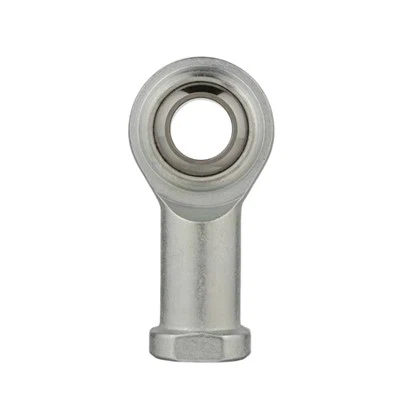
Can motor bearings be repaired? This is a question that often comes up among our clients, especially those looking to optimize their maintenance costs and extend the lifespan of their machinery. As a motor bearings supplier, I've seen firsthand the various scenarios where repair might be a viable option, as well as situations where replacement is the more prudent choice. In this blog, I'll delve into the factors that determine whether motor bearings can be repaired, the repair process, and when it's best to opt for a new bearing.
Understanding Motor Bearings
Before we discuss repair, it's essential to understand what motor bearings are and how they function. Motor bearings are crucial components in electric motors, providing support and reducing friction between moving parts. They come in different types, such as ball bearings, roller bearings, and sleeve bearings, each designed for specific applications and load requirements.
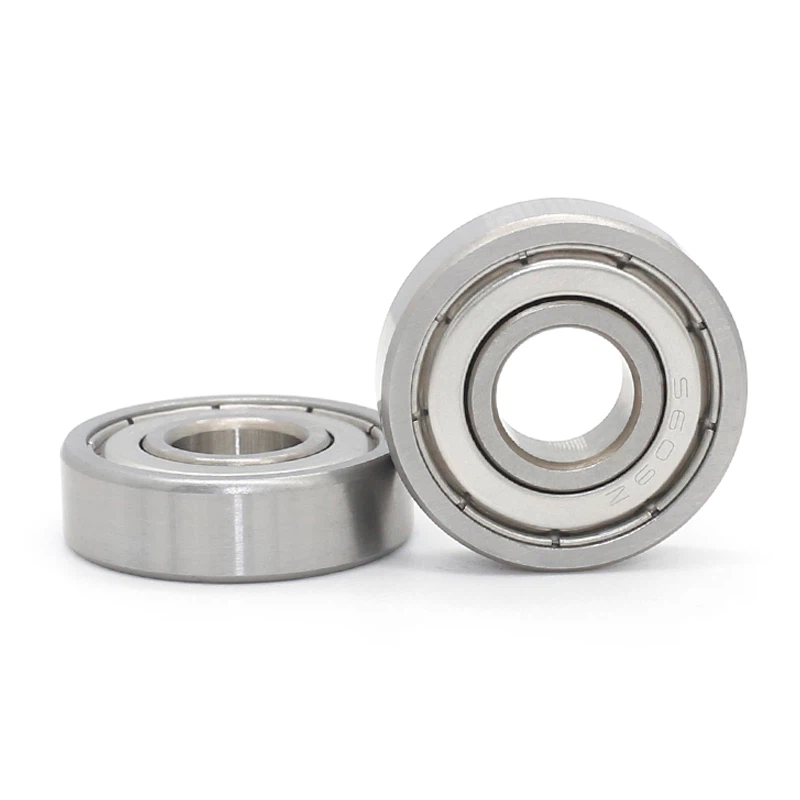
Ball bearings, like the Automotive Cooling Fan Bearing 609ZZ, are commonly used in high - speed applications. They consist of balls held in a cage between inner and outer races. Roller bearings, on the other hand, are better suited for heavy - load applications. The Car Wiper Motor Special Bearing S607ZZ is an example of a ball bearing used in a specific automotive application. And for electric vehicles, the Electric Vehicle Specific Bearing 6203 - 2RS is designed to meet the unique demands of this emerging market.
Factors Determining Repairability
Several factors come into play when deciding whether a motor bearing can be repaired:
1. Damage Severity
The extent of damage is the most critical factor. Minor damage, such as surface scratches or light corrosion, can often be repaired. For example, if the bearing has a few small scratches on the raceway, it may be possible to polish the surface to restore its smoothness. However, if the damage is severe, like a cracked race or broken balls, repair is usually not feasible. In such cases, the bearing's structural integrity is compromised, and it's more likely to fail again soon after repair.
2. Bearing Type and Design
Some bearing types are more easily repairable than others. Ball bearings, with their relatively simple design, are often more amenable to repair. The balls and races can be inspected, cleaned, and replaced if necessary. Roller bearings, especially those with complex designs, may be more difficult to repair due to the precision required in reassembling the rollers and cages.
3. Cost - Benefit Analysis
Repairing a bearing involves costs, including labor, replacement parts, and testing. If the cost of repair is close to or exceeds the cost of a new bearing, it may not be cost - effective to repair. Additionally, consider the downtime associated with the repair. If the machinery needs to be out of service for an extended period for repair, it may be more practical to replace the bearing quickly and get the equipment back up and running.

The Repair Process
If a bearing is deemed repairable, the following steps are typically involved in the repair process:
1. Disassembly
The first step is to carefully disassemble the bearing from the motor. This requires the use of appropriate tools to avoid causing further damage. During disassembly, the bearing components are inspected for damage and wear.
2. Cleaning
Once disassembled, the bearing components are thoroughly cleaned. This removes dirt, debris, and old lubricant. Cleaning can be done using solvents and specialized cleaning equipment. A clean bearing allows for a more accurate inspection of the damage.
3. Inspection
After cleaning, a detailed inspection is carried out. This includes checking the races for cracks, pits, or wear, the balls or rollers for damage, and the cage for deformation. Any damaged components are identified for replacement.
4. Component Replacement
If any components are found to be damaged beyond repair, they are replaced. This may involve replacing balls, rollers, races, or cages. The replacement parts must be of the correct size and specification to ensure proper functioning of the bearing.
5. Reassembly
The bearing is then reassembled with the new components. This requires precision to ensure that all parts are properly aligned and seated. Lubricant is applied to the bearing during reassembly to reduce friction and prevent premature wear.
6. Testing
Once reassembled, the bearing is tested to ensure that it functions correctly. This may involve running the bearing at different speeds and loads to check for smooth operation and proper alignment. Any issues identified during testing are addressed before the bearing is returned to service.
When to Replace Instead of Repair
There are several situations where it's better to replace a motor bearing rather than attempt to repair it:
1. Severe Damage
As mentioned earlier, if the bearing has severe damage, such as a cracked race or broken balls, replacement is the best option. Repairing such damage is often not possible or cost - effective, and a new bearing will provide better performance and reliability.
2. Outdated or Obsolete Bearings
If the bearing is an older model that is no longer in production or has been superseded by a more advanced design, it may be difficult to find replacement parts for repair. In this case, replacing the bearing with a newer model is a more practical solution.
3. High - Precision Applications
In applications where high precision is required, such as in aerospace or medical equipment, it's often better to use a new bearing. Even minor damage or wear can affect the performance of the bearing in these applications, and a repaired bearing may not meet the required specifications.
Conclusion
In conclusion, motor bearings can be repaired in some cases, but it depends on several factors, including the severity of damage, bearing type, and cost - benefit analysis. As a motor bearings supplier, we can provide guidance on whether a bearing can be repaired or if replacement is the better option. Our team of experts has the knowledge and experience to help you make the right decision for your specific application.
If you're facing issues with your motor bearings and need advice on repair or replacement, or if you're looking to purchase high - quality motor bearings, we're here to assist you. Contact us to start a discussion about your requirements. We look forward to helping you find the best solution for your motor bearing needs.
References
- Harris, T. A., & Kotzalas, M. N. (2007). Rolling Bearing Analysis. John Wiley & Sons.
- ANSI/ABMA Standards for ball and roller bearings.