


Hey there! As a supplier of linear flange bearings, I often get asked about how to measure the size of these nifty little components. It's a crucial step, whether you're replacing an old bearing or designing a new system. So, let's dive right in and break down the process.
Why Measuring Matters
First off, why is it so important to measure a linear flange bearing accurately? Well, if the bearing size doesn't match your application requirements, it can lead to all sorts of problems. You might experience excessive wear and tear, reduced efficiency, or even complete system failure. That's why getting the measurements right from the start is key.
Tools You'll Need
Before you start measuring, you'll need a few basic tools. A good quality caliper is a must-have. It allows you to take precise measurements of the bearing's dimensions. You can find digital calipers that are easy to read and provide accurate results. A micrometer can also come in handy for extremely precise measurements, especially for smaller bearings. And don't forget a ruler or a tape measure for getting a general idea of the overall size.
Measuring the Inner Diameter
The inner diameter (ID) of the linear flange bearing is one of the most important measurements. It determines the shaft size that the bearing will fit onto. To measure the ID, open your caliper jaws and place them inside the bearing. Make sure the caliper is centered and parallel to the bearing's axis. Gently close the jaws until they touch the inner surface of the bearing. Read the measurement on the caliper display. It's a good idea to take a few measurements at different points around the inner circumference to ensure accuracy.
Measuring the Outer Diameter
The outer diameter (OD) of the bearing is also crucial. It affects how the bearing fits into the housing or mounting structure. To measure the OD, place the caliper jaws around the outside of the bearing. Again, make sure the caliper is centered and parallel to the bearing's axis. Close the jaws until they touch the outer surface of the bearing and read the measurement. Just like with the ID, take multiple measurements at different points to get an accurate average.
Measuring the Flange Dimensions
The flange of a linear flange bearing serves as a mounting surface. You'll need to measure its dimensions to ensure a proper fit. Start by measuring the flange diameter. Place the caliper jaws across the widest part of the flange and read the measurement. Next, measure the flange thickness. Use the caliper to measure the distance from the top of the flange to the bottom. You may also need to measure the flange's outer and inner diameters if it has a stepped or recessed design.
Measuring the Overall Length
The overall length of the bearing is another important dimension. It determines how much space the bearing will take up in your system. To measure the length, place the caliper jaws at the two ends of the bearing and read the measurement. Make sure to measure from the outermost points of the bearing, including any flanges or protrusions.
Different Types of Flange Bearings
There are different types of linear flange bearings, such as Round Flange Linear Bearing and Square Flange Linear Bearing. Each type may have slightly different measurement requirements. For example, a square flange bearing will have different flange dimensions compared to a round flange bearing. Make sure you know which type of bearing you're dealing with and measure accordingly.

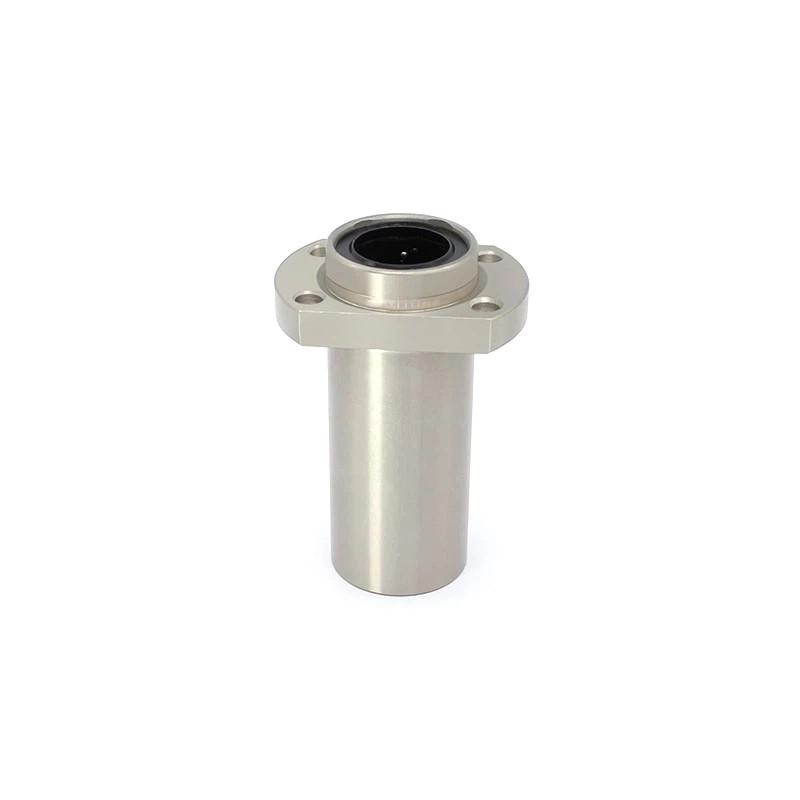
Example: Measuring the LMH20UU Bearing
Let's take a look at an example of measuring a specific bearing, the LMH20UU Bearing. This bearing is commonly used in many applications. First, measure the inner diameter. You'll find that it's designed to fit a specific shaft size. Then, measure the outer diameter to ensure it fits into the housing correctly. Next, measure the flange dimensions, including the diameter and thickness. Finally, measure the overall length of the bearing. By following these steps, you can ensure that the LMH20UU bearing will work perfectly in your system.
Tips for Accurate Measurements
Here are some tips to help you get the most accurate measurements possible:
- Make sure your measuring tools are clean and in good condition. Dirty or damaged tools can give inaccurate readings.
- Take your time and be careful when placing the caliper jaws. A slight misalignment can lead to incorrect measurements.
- If you're unsure about a measurement, take multiple readings and calculate the average. This can help reduce errors.
- Compare your measurements with the manufacturer's specifications. If there's a significant difference, double-check your measurements or contact the manufacturer for clarification.
Conclusion
Measuring the size of a linear flange bearing is a straightforward process, but it requires attention to detail. By using the right tools and following the steps outlined above, you can ensure that you get accurate measurements every time. Whether you're a DIY enthusiast or a professional engineer, getting the bearing size right is essential for the success of your project.
If you're in the market for high-quality linear flange bearings, we're here to help. We offer a wide range of bearings to suit your needs. Whether you need a specific type like the Round Flange Linear Bearing or the Square Flange Linear Bearing, or you're looking for a reliable bearing like the LMH20UU Bearing, we've got you covered. Contact us today to discuss your requirements and start the procurement process. We're ready to work with you to find the perfect bearings for your application.
References
- Machinery's Handbook, 31st Edition
- Bearing Design and Application Handbook


