


Hey there! As a supplier of plastic bearing housings, I've seen firsthand how crucial it is to ensure the correct alignment of these components. A misaligned plastic bearing housing can lead to a whole host of problems, from premature wear and tear to complete system failure. So, in this blog post, I'm gonna share some tips on how to make sure your plastic bearing housing is aligned correctly.
Why Correct Alignment Matters
First off, let's talk about why alignment is such a big deal. When a plastic bearing housing is misaligned, it puts extra stress on the bearings and other components. This can cause the bearings to wear out faster, leading to increased friction, heat, and noise. Over time, this can even cause the bearings to fail completely, which can be a real headache for you and your business.
Correct alignment also helps to ensure that the bearings are able to operate at their optimal performance. When the housing is aligned properly, the bearings can rotate smoothly and efficiently, reducing energy consumption and extending the lifespan of the components. This can save you money in the long run by reducing maintenance costs and downtime.
Pre - Installation Checks
Before you even start installing the plastic bearing housing, there are a few things you need to do. First, make sure that the mounting surface is clean, flat, and free of any debris or damage. Any irregularities on the mounting surface can cause the housing to sit unevenly, leading to misalignment.
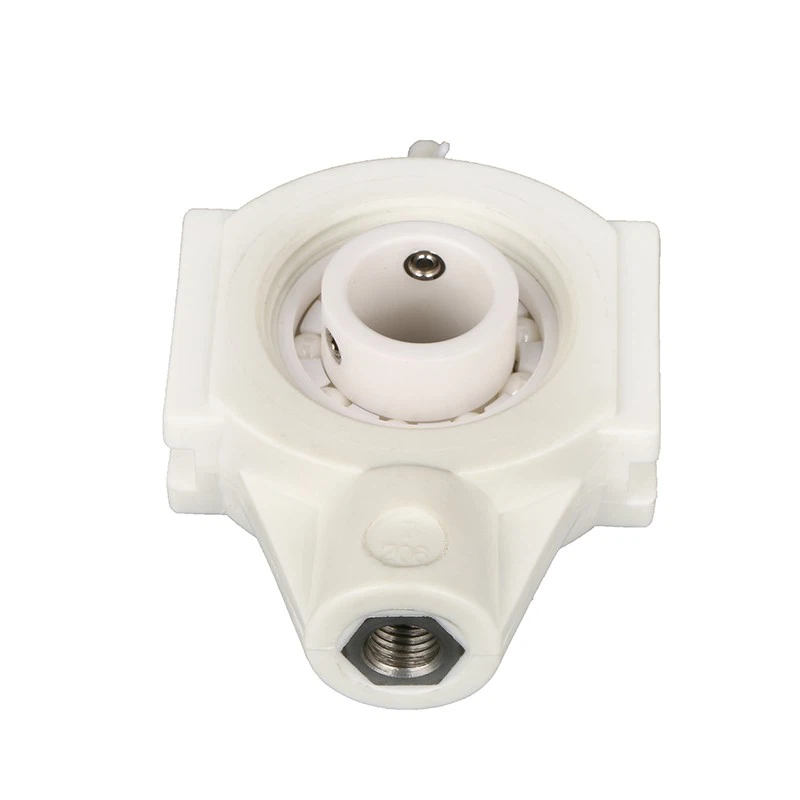

You should also check the dimensions of the housing and the bearings to make sure they are compatible. The housing should be the correct size and shape to accommodate the bearings, and there should be enough clearance for proper lubrication and expansion.
Installation Process
When it comes to installing the plastic bearing housing, there are a few key steps you need to follow. First, apply a thin layer of lubricant to the mounting surface and the inside of the housing. This will help to reduce friction and make it easier to install the bearings.
Next, carefully place the housing on the mounting surface and align it with the holes or slots. Use a level or a straightedge to make sure the housing is perfectly horizontal and vertical. If the housing is not level, it can cause the bearings to be misaligned.
Once the housing is in place, insert the bearings into the housing. Make sure the bearings are seated properly and that they are centered within the housing. You may need to use a press or a hammer to gently tap the bearings into place, but be careful not to damage them.
After the bearings are installed, tighten the mounting bolts or screws. Make sure to tighten them evenly and to the recommended torque specification. Over - tightening the bolts can cause the housing to warp, while under - tightening them can cause the housing to move or vibrate.
Alignment Tools
There are several tools that can help you ensure the correct alignment of a plastic bearing housing. One of the most common tools is a dial indicator. A dial indicator can be used to measure the runout and alignment of the housing and the bearings. By attaching the dial indicator to the housing and rotating the bearings, you can detect any misalignment and make the necessary adjustments.
Another useful tool is a laser alignment system. Laser alignment systems use lasers to project a beam onto the housing and the bearings, allowing you to accurately measure the alignment. These systems are very precise and can help you achieve a high level of alignment accuracy.
Regular Maintenance and Inspection
Even after you've installed the plastic bearing housing correctly, it's important to perform regular maintenance and inspection. Over time, the housing and the bearings can shift or become misaligned due to vibration, temperature changes, or other factors.
Inspect the housing and the bearings regularly for any signs of wear, damage, or misalignment. Look for things like uneven wear on the bearings, excessive noise, or vibration. If you notice any problems, take action immediately to correct them.
You should also clean and lubricate the bearings and the housing regularly. This will help to reduce friction and wear, and it will also prevent the build - up of dirt and debris.
Product Recommendations
We offer a wide range of plastic bearing housings that are designed to provide reliable performance and easy installation. Check out our IP54 with Composite Bearing Units and Plastic Nylon Stainless Steel Bearing Seat. These products are made from high - quality materials and are built to last.
Conclusion
Ensuring the correct alignment of a plastic bearing housing is essential for the performance and longevity of your equipment. By following the tips and techniques outlined in this blog post, you can make sure that your plastic bearing housing is installed and aligned correctly.
If you're in the market for plastic bearing housings or have any questions about alignment, don't hesitate to reach out. We're here to help you find the right products for your needs and to ensure that they are installed and maintained properly. Contact us to start a procurement discussion and let's work together to keep your equipment running smoothly.
References
- Machinery's Handbook, 31st Edition
- Bearing Installation and Maintenance Guide, SKF


