


Hey there! As a supplier of linear flange bearings, I've seen firsthand the importance of enhancing the load - carrying capacity of these nifty little components. In this blog, I'm gonna share some tips and tricks on how you can make your linear flange bearings handle more weight and perform better.
Understanding Linear Flange Bearings
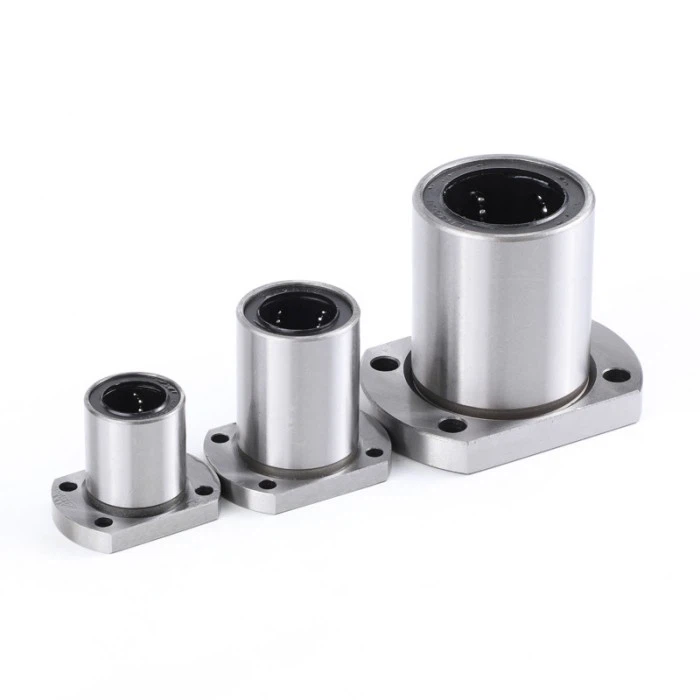
Before we dive into the ways to boost the load - carrying capacity, let's quickly go over what linear flange bearings are. Linear flange bearings are used in linear motion systems. They come in different shapes, like the Square Flange Linear Bearing and the Round Flange Linear Bearing. These bearings are designed to support a load while allowing smooth linear movement. For example, the LMH20UU Bearing is a popular choice in many applications due to its reliability.
Material Selection
One of the most crucial factors in enhancing the load - carrying capacity is the material of the bearing. High - quality materials can withstand more stress and pressure. For instance, bearings made from hardened steel are a great option. Hardened steel has excellent wear resistance and can handle heavy loads without deforming easily.
Another material to consider is stainless steel. Stainless steel bearings are not only corrosion - resistant but also have good strength. They're perfect for applications in harsh environments where moisture or chemicals are present. When you choose the right material, you're already on the right track to increasing the load - carrying capacity of your linear flange bearing.
Bearing Design
The design of the linear flange bearing also plays a huge role. A well - designed bearing distributes the load evenly across its surface. For example, bearings with a larger contact area between the rolling elements and the raceway can handle more weight. Some bearings are designed with multiple rows of rolling elements. This design increases the load - carrying capacity because the load is shared among more elements.
Also, the shape of the flange matters. A wider flange provides more support and stability, which in turn helps the bearing handle heavier loads. When you're looking for a linear flange bearing, pay attention to these design features to ensure you get a bearing that can meet your load requirements.
Lubrication
Lubrication is often overlooked, but it's essential for enhancing the load - carrying capacity. Proper lubrication reduces friction between the rolling elements and the raceway. When there's less friction, the bearing can operate more smoothly and handle more load.
There are different types of lubricants available, such as grease and oil. Grease is a popular choice because it stays in place and provides long - term lubrication. Oil, on the other hand, is better for high - speed applications. You need to choose the right lubricant based on your specific application and the operating conditions of the bearing.
Preloading
Preloading is a technique that can significantly increase the load - carrying capacity of a linear flange bearing. Preloading involves applying a force to the bearing to eliminate internal clearance. When there's no clearance, the bearing can respond more quickly to the load and distribute it more evenly.
However, preloading needs to be done carefully. If you preload the bearing too much, it can cause excessive stress and reduce the bearing's lifespan. You need to find the right balance based on the application and the type of bearing.
Operating Conditions
The operating conditions also affect the load - carrying capacity. For example, the temperature can have a big impact. High temperatures can cause the bearing material to expand, which may change the internal clearance and reduce the load - carrying capacity. On the other hand, low temperatures can make the lubricant thicker, increasing friction.
Vibration is another factor. Excessive vibration can cause the rolling elements to move erratically, which can lead to premature wear and reduce the bearing's ability to handle loads. You need to ensure that the operating environment is as stable as possible to maintain the load - carrying capacity of the bearing.
Maintenance
Regular maintenance is key to keeping the load - carrying capacity of your linear flange bearing at its best. This includes checking the lubrication level, inspecting for wear and damage, and cleaning the bearing. If you notice any signs of wear, such as abnormal noise or vibration, you should replace the bearing as soon as possible.

By following these maintenance practices, you can extend the lifespan of the bearing and ensure that it continues to handle heavy loads effectively.
Conclusion
Enhancing the load - carrying capacity of a linear flange bearing is a combination of factors, including material selection, design, lubrication, preloading, and proper maintenance. As a supplier, I can help you choose the right bearing for your application and provide you with all the information you need to ensure its optimal performance.
If you're in the market for linear flange bearings or need more advice on enhancing their load - carrying capacity, don't hesitate to reach out. We're here to assist you in finding the best solutions for your needs. Let's work together to make your linear motion systems more efficient and reliable!
References
- "Bearing Handbook" by SKF
- "Mechanical Design of Machine Elements and Machines: A Failure - Prevention Perspective" by Robert C. Juvinall and Kurt M. Marshek


