


Hey there! As a supplier of GE50 Bearing, I've seen firsthand how crucial it is to detect early failures in these bearings. In this blog, I'll share some tips and tricks on how to spot those early warning signs, so you can avoid costly downtime and keep your equipment running smoothly.
Understanding the GE50 Bearing
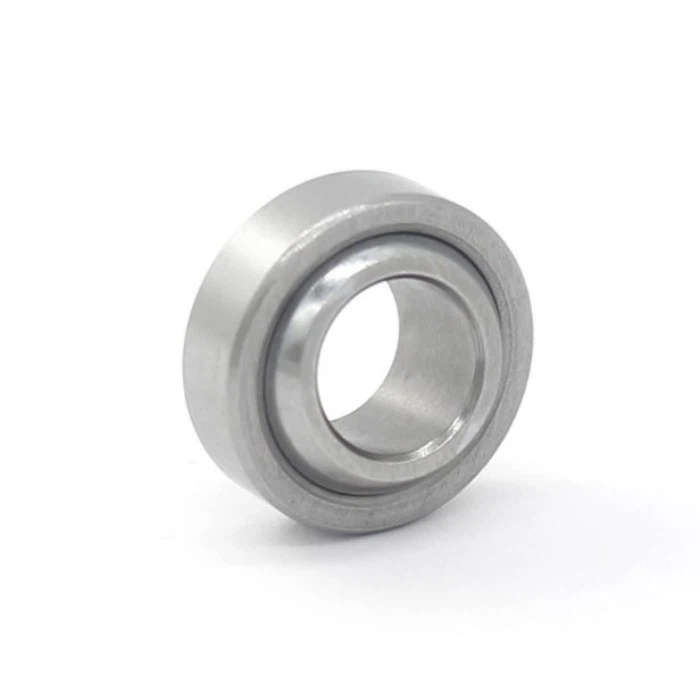
Before we dive into the detection methods, let's take a quick look at what the GE50 Bearing is. The GE50 Bearing is a type of radial spherical plain bearing. It's designed to handle high radial loads and angular misalignment, making it a popular choice in a variety of industrial applications, such as construction machinery, agricultural equipment, and automotive systems.
These bearings are made up of an inner ring and an outer ring, with a spherical sliding surface between them. The sliding surface allows for smooth movement and rotation, even under heavy loads and harsh conditions. However, like any mechanical component, the GE50 Bearing is subject to wear and tear over time, which can lead to early failure if not detected and addressed promptly.
Signs of Early Failure
So, what are the signs that your GE50 Bearing might be on the verge of failure? Here are some common indicators to look out for:
1. Noise
One of the first signs of a failing bearing is unusual noise. If you hear grinding, rattling, or clicking sounds coming from the bearing, it could be a sign of wear or damage. These noises are often caused by the rough surfaces of the bearing components rubbing against each other, which can lead to increased friction and heat.
2. Vibration
Excessive vibration is another telltale sign of a problem. Bearings are designed to operate smoothly, and any abnormal vibration can indicate that something is wrong. Vibration can be caused by a variety of factors, such as misalignment, imbalance, or worn-out components.
3. Temperature
Monitoring the temperature of the bearing is also important. A sudden increase in temperature can be a sign of excessive friction or overloading. If the bearing gets too hot, it can cause the lubricant to break down, which can lead to further damage and premature failure.
4. Leakage
If you notice any oil or grease leakage around the bearing, it could be a sign of a seal failure. A damaged seal can allow contaminants to enter the bearing, which can cause wear and corrosion.
5. Visual Inspection
Regular visual inspections can also help you detect early signs of failure. Look for signs of wear, such as pitting, scoring, or cracking on the bearing surfaces. You should also check the condition of the seals and lubrication.
Detection Methods
Now that we know what to look for, let's talk about some methods for detecting early failure in GE50 Bearings.
1. Vibration Analysis
Vibration analysis is a powerful tool for detecting bearing problems. By measuring the vibration levels and frequencies of the bearing, you can identify any abnormal patterns that may indicate a problem. There are several types of vibration analysis techniques, such as time-domain analysis, frequency-domain analysis, and envelope analysis.
2. Temperature Monitoring
As mentioned earlier, monitoring the temperature of the bearing is crucial. You can use temperature sensors to measure the temperature of the bearing and track any changes over time. If the temperature exceeds the recommended operating range, it could be a sign of a problem.
3. Oil Analysis
Oil analysis is another effective method for detecting bearing wear. By analyzing the oil samples from the bearing, you can determine the presence of contaminants, such as metal particles, dirt, and water. You can also measure the viscosity and chemical properties of the oil to ensure that it's still providing adequate lubrication.
4. Ultrasonic Testing
Ultrasonic testing is a non-destructive testing method that can be used to detect internal defects in the bearing. By sending ultrasonic waves through the bearing, you can detect any cracks, voids, or other defects that may not be visible to the naked eye.
5. Visual Inspection
Regular visual inspections are still one of the most important methods for detecting early failure. By inspecting the bearing regularly, you can spot any signs of wear or damage and take corrective action before it's too late.
Preventive Maintenance
In addition to detecting early failure, it's also important to implement a preventive maintenance program to keep your GE50 Bearings in good condition. Here are some tips for preventive maintenance:
1. Lubrication
Proper lubrication is essential for the smooth operation of the bearing. Make sure to use the right type of lubricant and follow the manufacturer's recommendations for lubrication intervals.
2. Alignment
Proper alignment is also important to prevent premature wear and failure. Make sure to align the bearing correctly with the shaft and housing to ensure that it's operating under the right conditions.
3. Cleaning
Regular cleaning of the bearing and its surrounding area can help prevent the accumulation of dirt and contaminants. This can help extend the life of the bearing and reduce the risk of failure.

4. Replacement
Even with proper maintenance, bearings will eventually wear out and need to be replaced. Make sure to replace the bearing at the recommended intervals to avoid unexpected downtime.
Conclusion
Detecting the early failure of GE50 Bearings is crucial for ensuring the smooth operation of your equipment and avoiding costly downtime. By understanding the signs of early failure, using the right detection methods, and implementing a preventive maintenance program, you can keep your bearings in good condition and extend their lifespan.
If you're in the market for high-quality GE50 Bearings or need more information on bearing maintenance and detection, don't hesitate to reach out. We're here to help you find the right solutions for your needs. And if you're also interested in other bearings like the GE80 Bearing, we've got you covered too. Let's start a conversation and see how we can work together to keep your equipment running at its best.
References
- "Bearing Handbook" by SKF
- "Mechanical Design and Analysis" by Norton
- "Vibration Analysis for Machinery" by Mobley


