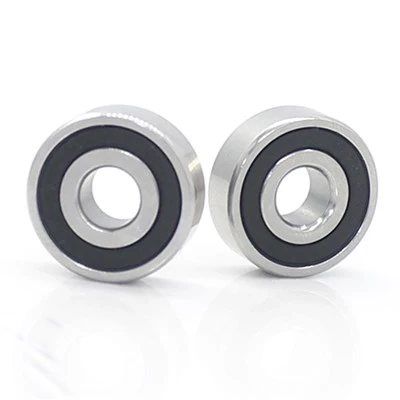
Hey there, folks! As a supplier of Gearbox Bearings, I've seen my fair share of issues with gearbox bearing misalignment. It's a common problem that can lead to all sorts of headaches, like increased wear and tear, reduced efficiency, and even complete gearbox failure. But don't worry, I'm here to share some tips on how to correct that pesky misalignment.
First off, let's understand what causes gearbox bearing misalignment in the first place. There are a few reasons for this. Sometimes, it's due to improper installation. Maybe the bearings weren't seated correctly, or the shafts weren't aligned properly during the assembly process. Other times, external factors like vibrations, shock loads, or thermal expansion can cause the bearings to shift out of alignment over time.


So, how can we tell if a gearbox bearing is misaligned? Well, there are a few signs to look out for. One of the most obvious is excessive noise. If you hear grinding, rattling, or humming coming from the gearbox, it could be a sign of misaligned bearings. Another sign is increased temperature. Misaligned bearings create more friction, which in turn generates more heat. So, if the gearbox is running hotter than normal, that's a red flag. You might also notice uneven wear on the bearings or the gears, which can indicate misalignment.
Now, let's get into the nitty - gritty of how to correct the misalignment.
Step 1: Inspection
The first step is to thoroughly inspect the gearbox. You've got to take it apart and have a close look at the bearings, shafts, and housing. Check for any signs of damage, like cracks, pitting, or excessive wear. Make sure to measure the dimensions of the bearings and the shafts to ensure they are within the specified tolerances. You can use tools like micrometers, calipers, and dial indicators for this.
Step 2: Clean Everything
Once you've inspected the components, it's time to clean them. Use a good quality degreaser to remove any dirt, grease, or debris from the bearings, shafts, and housing. A clean surface is essential for proper alignment and installation. Make sure to dry the components completely before moving on to the next step.
Step 3: Shaft Alignment
The alignment of the shafts is crucial for the proper functioning of the gearbox bearings. You can use laser alignment tools, which are highly accurate and easy to use. These tools project a laser beam onto the shafts, allowing you to measure the alignment precisely. Adjust the position of the shafts until they are perfectly aligned. This might involve loosening the mounting bolts and moving the shafts slightly. Once the alignment is correct, tighten the bolts securely.
Step 4: Bearing Installation
When installing the bearings, make sure to follow the manufacturer's instructions carefully. Use the right tools, like bearing pullers and presses, to ensure a proper fit. The bearings should be installed with the correct orientation. Some bearings have specific markings that indicate the direction of installation. Also, make sure to apply a thin layer of lubricant to the bearings before installation. This will help reduce friction and prevent premature wear.
Step 5: Reassemble and Test
After installing the bearings and aligning the shafts, it's time to reassemble the gearbox. Make sure all the components are properly tightened and secured. Once the gearbox is reassembled, run a test. Start the gearbox at a low speed and gradually increase the speed. Listen for any abnormal noises and monitor the temperature. If everything seems to be working fine, then you've successfully corrected the misalignment.
Now, let me tell you about some of the great gearbox bearings we offer at our company. We have a wide range of bearings to suit different applications. For example, our Small Flange Bearings are perfect for applications where space is limited. These bearings are compact and offer excellent performance.
Another great option is our Gearbox Bearing MF148ZZ. This bearing is designed specifically for gearbox applications. It has a high load - carrying capacity and is built to last.
And if you're looking for a reliable flange bearing, our Flange Bearing F696ZZ is a great choice. It provides smooth operation and excellent durability.
If you're facing issues with gearbox bearing misalignment or are in the market for high - quality gearbox bearings, don't hesitate to get in touch. We're here to help you find the right solutions for your needs. Whether you need advice on alignment or want to place an order, we've got you covered.
In conclusion, correcting gearbox bearing misalignment is not an impossible task. With the right tools, knowledge, and a bit of patience, you can get your gearbox back in working order. And if you need any assistance, we're just a message away.
References
- Machinery's Handbook: A comprehensive guide to mechanical engineering and manufacturing processes, which includes detailed information on bearing installation and alignment.
- Bearing Manufacturer's Technical Manuals: These manuals provide specific instructions and guidelines for the installation and maintenance of their bearings.