


As a ball bearings supplier, ensuring that our products meet the highest standards is of utmost importance. The quality of ball bearings directly impacts the performance, reliability, and safety of various machinery and equipment. In this blog, I will share some key steps and methods to check if a ball bearing meets the standards.
1. Visual Inspection
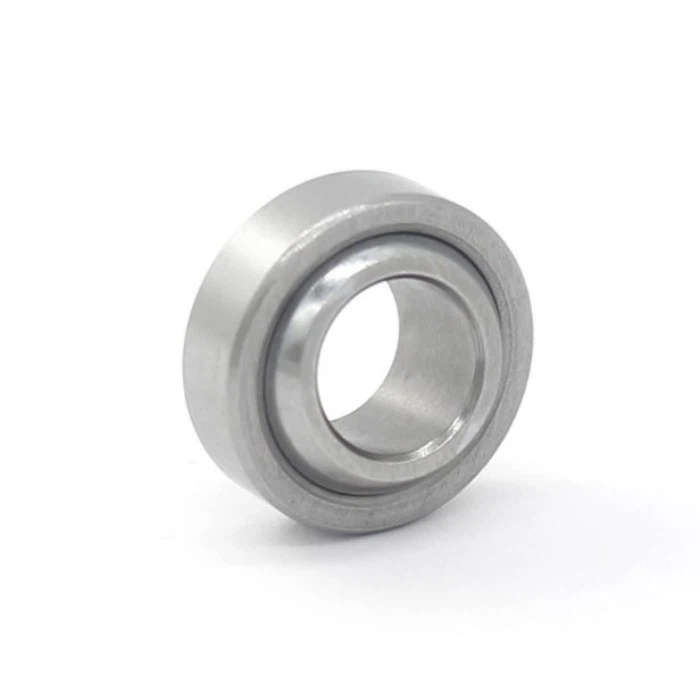
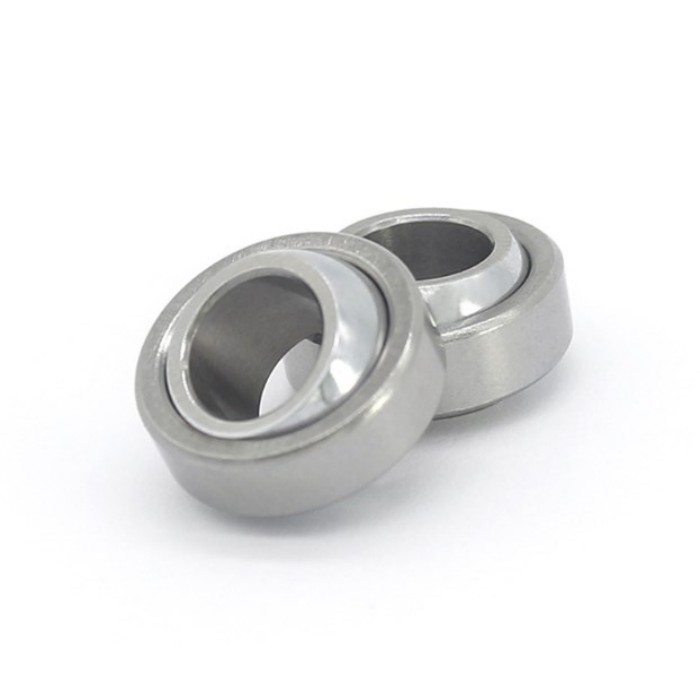
The first step in checking a ball bearing is a visual inspection. This can reveal obvious defects or irregularities that may affect the bearing's performance.
- Surface Finish: Examine the outer and inner rings, as well as the balls and cage, for any signs of scratches, dents, or rust. A smooth surface finish is essential for proper operation. Any rough or damaged areas can cause increased friction, noise, and premature wear.
- Cage Integrity: Check the cage that holds the balls in place. It should be intact without any cracks or deformation. A damaged cage can lead to ball misalignment and uneven loading, which can significantly reduce the bearing's lifespan.
- Markings: Look for the manufacturer's markings on the bearing. These markings typically include the bearing type, size, and other important information. Make sure the markings are clear and legible. Incorrect or missing markings may indicate a counterfeit or sub - standard product.
2. Dimensional Checks
Accurate dimensions are crucial for ball bearings to fit properly in the application. We use precision measuring tools to ensure that the bearings meet the specified dimensional requirements.
- Outer and Inner Diameters: Measure the outer and inner diameters of the bearing using a micrometer or a caliper. Compare the measured values with the manufacturer's specifications. Even a small deviation from the standard dimensions can cause problems such as improper fit, excessive play, or binding.
- Width: Measure the width of the bearing. This dimension is also important for proper installation and alignment. Any variation in width can affect the bearing's ability to support the load and maintain stability.
- Ball Size and Spacing: Check the size of the balls and the spacing between them. The balls should be of uniform size, and the spacing should be consistent throughout the bearing. Irregular ball size or spacing can lead to uneven loading and premature failure.
3. Rotational Checks
The smooth rotation of a ball bearing is a sign of its good quality. We perform several rotational checks to assess the bearing's performance.
- Free Rotation: Hold the bearing by the outer ring and rotate the inner ring by hand. The rotation should be smooth and free of any jerks or binding. If there is any resistance or roughness during rotation, it may indicate internal damage, such as a damaged ball or raceway.
- Axial and Radial Play: Check the axial and radial play of the bearing. Axial play refers to the movement of the inner ring relative to the outer ring in the axial direction, while radial play is the movement in the radial direction. Use a dial indicator to measure the play and compare it with the standard values. Excessive play can cause noise, vibration, and reduced accuracy in the application.
4. Material and Heat Treatment Checks
The quality of the materials used in the bearing and the heat treatment process have a significant impact on its performance and durability.
- Material Analysis: We use various techniques, such as spectroscopy, to analyze the chemical composition of the bearing materials. The materials should meet the specified standards in terms of hardness, strength, and corrosion resistance. For example, high - quality bearings are often made of chromium steel, which provides excellent wear resistance.
- Hardness Testing: Perform hardness tests on the bearing components, such as the outer and inner rings and the balls. Hardness is an important property that affects the bearing's ability to withstand loads and resist wear. Use a hardness tester to measure the hardness and ensure it is within the specified range.
5. Noise and Vibration Tests
Noise and vibration can be indicators of a bearing's quality and performance. We use specialized equipment to conduct noise and vibration tests.
- Noise Testing: Place the bearing in a test rig and run it at a specified speed. Use a microphone to detect any abnormal noise. Excessive noise can be caused by various factors, such as improper lubrication, damaged components, or misalignment.
- Vibration Testing: Attach vibration sensors to the bearing housing and measure the vibration levels during operation. Analyze the vibration frequency and amplitude to identify any potential problems. High - frequency vibrations may indicate a damaged ball or raceway, while low - frequency vibrations can be caused by misalignment or imbalance.
Examples of Our High - Quality Products
We offer a wide range of ball bearings that meet the highest standards. For example, our Rod End Bearings SA5 are designed for applications that require high - precision and reliable performance. These bearings are made of high - quality materials and undergo strict quality control procedures to ensure they meet the industry standards.
Another popular product is our Combined Needle Roller Thrust Bearing. This type of bearing combines the functions of a needle roller bearing and a thrust bearing, providing excellent load - carrying capacity and high - speed performance.
Our GE80 Bearing is a radial spherical plain bearing that offers high - load capacity and self - aligning capabilities. It is suitable for a variety of applications, including heavy - duty machinery and automotive systems.
Conclusion
Checking if a ball bearing meets the standards is a comprehensive process that involves visual inspection, dimensional checks, rotational checks, material and heat treatment analysis, and noise and vibration tests. By following these steps, we can ensure that our ball bearings are of the highest quality and meet the requirements of our customers.
If you are in the market for high - quality ball bearings, we invite you to contact us for procurement and further discussions. Our team of experts is ready to assist you in selecting the right bearings for your specific applications.
References
- Harris, T. A., & Kotzalas, M. N. (2007). Rolling Bearing Analysis. Wiley.
- Lundberg, G., & Palmgren, A. (1947). Dynamic capacity of rolling bearings. Acta Polytechnica Scandinavica, 1.
- SKF Rolling Bearing Handbook. SKF Group.


