


As a supplier of U groove pulleys, I often encounter customers who face challenges in adjusting the position of these pulleys on a shaft. Proper adjustment is crucial for the optimal performance and longevity of the pulley system. In this blog, I'll share some practical steps and tips on how to adjust the position of a U groove pulley on a shaft.
Understanding the Basics
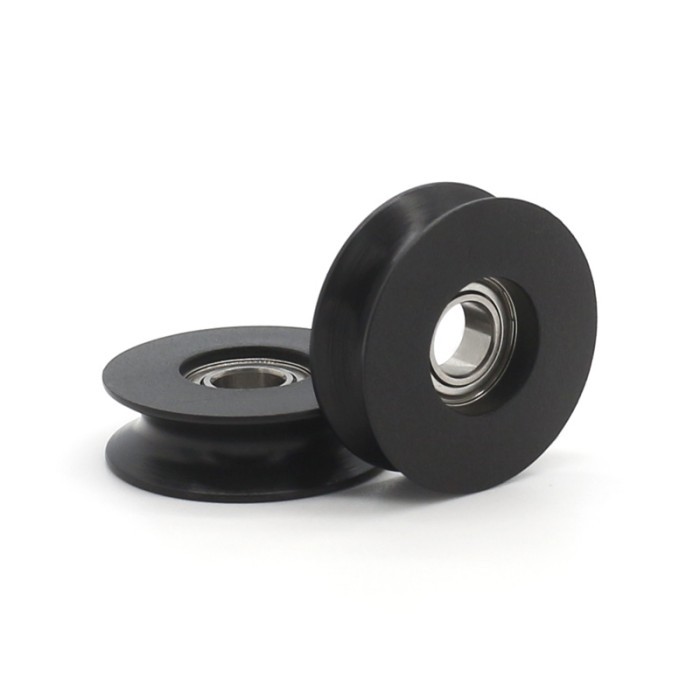
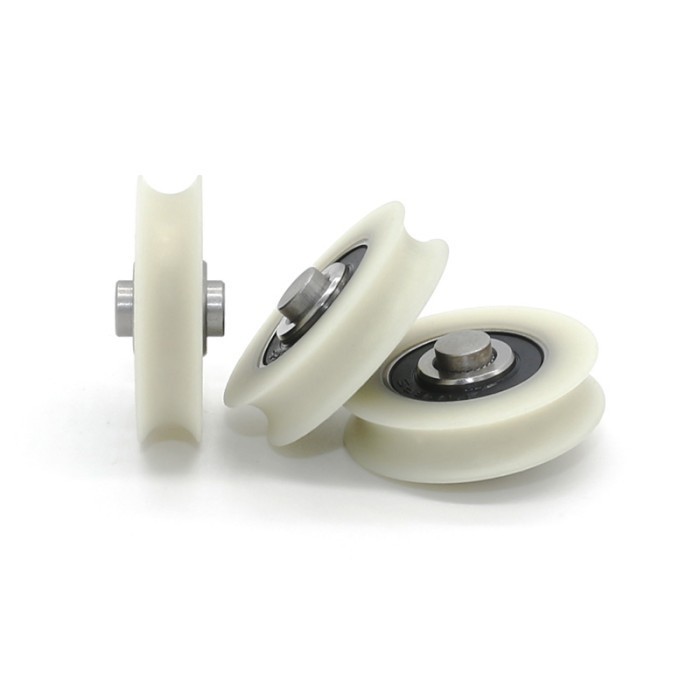
Before we dive into the adjustment process, it's essential to understand the key components and the purpose of a U groove pulley. A U groove pulley is designed with a U - shaped groove that can accommodate a belt or a cable. It is commonly used in various applications, such as sliding doors, conveyor systems, and other mechanical setups. The position of the pulley on the shaft determines how well the belt or cable runs, and incorrect positioning can lead to issues like belt slippage, uneven wear, and reduced efficiency.
Tools Required
To adjust the position of a U groove pulley on a shaft, you'll need the following tools:
- Wrenches: Depending on the type of fasteners used to secure the pulley to the shaft, you may need a set of open - end wrenches, socket wrenches, or Allen wrenches.
- Measuring Tools: A ruler or a caliper can be used to measure the position of the pulley accurately. A dial indicator can also be very useful for precise alignment.
- Hammer and Drift Pins: These may be required to gently tap the pulley into the correct position if it is stuck.
Step - by - Step Adjustment Process
Step 1: Safety First
Before you start any work on the pulley system, make sure the power source is turned off and the equipment is in a safe, stationary state. This will prevent any accidental movement of the shaft or the pulley, which could cause injury.
Step 2: Inspect the Pulley and Shaft
Examine the U groove pulley and the shaft for any signs of damage, such as cracks, excessive wear, or corrosion. If there are any issues, it may be necessary to replace the damaged parts before proceeding with the adjustment.
Step 3: Loosen the Fasteners
Use the appropriate wrenches to loosen the set screws, bolts, or other fasteners that are holding the pulley in place on the shaft. Be careful not to remove the fasteners completely at this stage, as you still need to keep the pulley in a somewhat stable position during the adjustment.
Step 4: Determine the Correct Position
The correct position of the U groove pulley on the shaft depends on the specific application. In most cases, the pulley should be centered on the shaft and aligned with other pulleys in the system. You can use the measuring tools to check the current position of the pulley and compare it with the desired position.
For example, if you are using the Sliding Door U Groove Rubber Pulley in a sliding door system, the pulley should be positioned in such a way that the door moves smoothly along the track. Measure the distance from the edge of the shaft to the edge of the pulley on both sides to ensure it is centered.
Step 5: Adjust the Pulley Position
Once you have determined the correct position, you can start adjusting the pulley. If the pulley is loose enough, you may be able to simply slide it along the shaft to the desired location. If it is stuck, you can use a hammer and drift pins to gently tap the pulley into place. Make sure to tap evenly around the circumference of the pulley to avoid misalignment.
As you make the adjustment, continuously check the position using the measuring tools. If you are using a dial indicator, it can provide real - time feedback on the alignment of the pulley.
Step 6: Tighten the Fasteners
After the pulley is in the correct position, use the wrenches to tighten the fasteners securely. Make sure the fasteners are tightened to the recommended torque specification. Over - tightening can damage the pulley or the shaft, while under - tightening can cause the pulley to move out of position during operation.
Step 7: Re - check the Alignment
Once the fasteners are tightened, re - check the alignment of the pulley using the measuring tools. This is to ensure that the pulley has not shifted out of position during the tightening process. If necessary, make any minor adjustments and re - tighten the fasteners.
Tips for Difficult Adjustments
- Use Lubrication: If the pulley is difficult to slide along the shaft, applying a small amount of lubricant can make the adjustment easier. However, make sure to use a lubricant that is compatible with the materials of the pulley and the shaft.
- Seek Professional Help: If you are unsure about the adjustment process or if you encounter any major problems, it may be a good idea to consult a professional mechanic or an engineer. They have the expertise and experience to handle complex pulley systems.
Common Mistakes to Avoid
- Not Checking for Damage: Failing to inspect the pulley and the shaft for damage before adjustment can lead to further problems down the line.
- Over - Tightening or Under - Tightening: As mentioned earlier, incorrect tightening of the fasteners can cause issues with the pulley's performance and longevity.
- Ignoring Alignment: Poor alignment of the pulley can result in increased wear on the belt or cable, reduced efficiency, and even system failure.
Conclusion
Adjusting the position of a U groove pulley on a shaft is a relatively straightforward process if you follow the right steps and use the appropriate tools. By ensuring the correct position and alignment of the pulley, you can improve the performance and reliability of your pulley system.
If you are in the market for high - quality U groove pulleys, such as the S626RS Bearing Pulley, we are here to help. Our company offers a wide range of U groove pulleys that are designed to meet the diverse needs of our customers. Whether you need a pulley for a small DIY project or a large industrial application, we have the right product for you.
If you have any questions about our products or need assistance with pulley selection or adjustment, please feel free to contact us. We look forward to working with you and helping you find the best solutions for your pulley system.
References
- Machinery's Handbook, 31st Edition
- Pulley Design and Application Guide by Industry Standards Organization


