


Hey there! As a thrust bearing supplier, I've seen firsthand how different factors can impact the performance of these crucial components. One factor that often doesn't get as much attention as it should is radial clearance. In this blog post, I'm going to break down how radial clearance affects the performance of a thrust bearing and why it matters to you.
What is Radial Clearance?
Before we dive into how radial clearance affects thrust bearing performance, let's quickly go over what radial clearance is. Radial clearance refers to the amount of space between the inner and outer rings of a bearing in the radial direction. It's essentially the play or looseness within the bearing. This clearance is measured in thousandths of an inch or millimeters, depending on the measurement system used.
There are different types of radial clearance, including normal clearance, C3 clearance, and C4 clearance. Normal clearance is the standard amount of clearance for a particular bearing size and type. C3 and C4 clearances are larger than normal, with C4 being the largest. The choice of radial clearance depends on various factors, such as the application, operating conditions, and load requirements.
How Radial Clearance Affects Thrust Bearing Performance
1. Load Distribution
One of the most significant ways radial clearance affects thrust bearing performance is through load distribution. When a thrust bearing is under load, the rolling elements (balls or rollers) transfer the load from the inner ring to the outer ring. The radial clearance plays a crucial role in how evenly this load is distributed.
If the radial clearance is too small, the rolling elements may not be able to move freely within the bearing. This can lead to uneven load distribution, with some rolling elements carrying more load than others. Over time, this can cause premature wear and failure of the bearing. On the other hand, if the radial clearance is too large, the rolling elements may have too much freedom of movement, which can also result in uneven load distribution and increased vibration.
For example, in a high-speed application, a small radial clearance may be preferred to ensure that the rolling elements stay in contact with the raceways and maintain a stable load distribution. However, in a low-speed, high-load application, a larger radial clearance may be necessary to accommodate thermal expansion and prevent the bearing from seizing.
2. Lubrication
Radial clearance also affects the lubrication of a thrust bearing. Lubrication is essential for reducing friction and wear between the rolling elements and the raceways. The radial clearance determines the amount of lubricant that can be retained within the bearing and how effectively it can be distributed.
If the radial clearance is too small, there may not be enough space for the lubricant to flow freely. This can lead to poor lubrication, increased friction, and higher operating temperatures. On the other hand, if the radial clearance is too large, the lubricant may leak out of the bearing more easily, reducing its effectiveness.
To ensure proper lubrication, it's important to choose the right radial clearance for the application. In some cases, special lubrication methods or seals may be required to maintain the lubricant within the bearing. For example, a Sealed Thrust Bearing can help prevent lubricant leakage and protect the bearing from contaminants.
3. Vibration and Noise
Another aspect of thrust bearing performance that is affected by radial clearance is vibration and noise. When a bearing is operating, the rolling elements move within the raceways, and any irregularities in the movement can cause vibration and noise. The radial clearance can influence the smoothness of this movement and, therefore, the level of vibration and noise generated.
A small radial clearance can help reduce vibration and noise by keeping the rolling elements in close contact with the raceways. This results in a more stable and quiet operation. However, if the radial clearance is too small, it can also cause increased friction and wear, which may lead to higher vibration and noise levels over time.
Conversely, a large radial clearance can allow for more movement of the rolling elements, which can increase vibration and noise. In some applications, such as high-speed machinery, excessive vibration and noise can be a major concern, as they can affect the performance and reliability of the equipment.
4. Thermal Expansion
Thermal expansion is another factor that needs to be considered when choosing the radial clearance for a thrust bearing. As the bearing operates, it generates heat due to friction between the rolling elements and the raceways. This heat causes the bearing components to expand, which can affect the radial clearance.
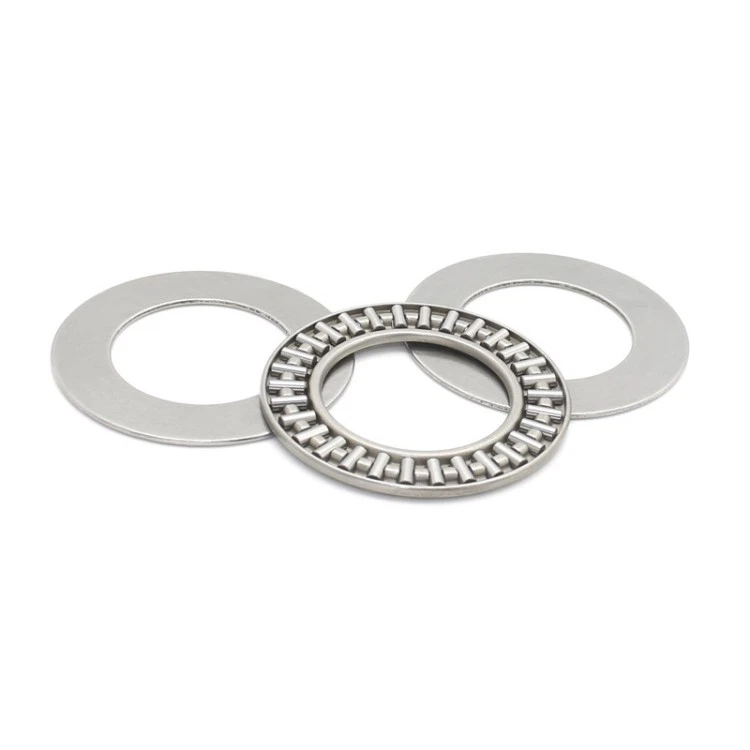

If the radial clearance is too small, the thermal expansion of the bearing components can cause the clearance to decrease or even disappear. This can lead to increased friction, wear, and the risk of the bearing seizing. On the other hand, if the radial clearance is too large, the thermal expansion may not have a significant impact on the performance of the bearing.
To account for thermal expansion, it's important to choose a radial clearance that allows for some expansion without compromising the performance of the bearing. In applications where the operating temperature varies significantly, such as in automotive engines or industrial furnaces, a larger radial clearance may be necessary to accommodate the thermal expansion.
Choosing the Right Radial Clearance
As you can see, choosing the right radial clearance is crucial for ensuring the optimal performance of a thrust bearing. Here are some factors to consider when making this decision:
- Application Requirements: The type of application, such as high-speed, low-speed, high-load, or low-load, will determine the appropriate radial clearance. For example, a high-speed application may require a smaller radial clearance to ensure stability, while a high-load application may need a larger clearance to accommodate the load.
- Operating Conditions: The operating conditions, including temperature, humidity, and the presence of contaminants, can also affect the choice of radial clearance. In harsh environments, a larger radial clearance may be necessary to prevent the bearing from seizing due to thermal expansion or contamination.
- Load Requirements: The magnitude and direction of the load applied to the bearing are important considerations. A higher load may require a larger radial clearance to distribute the load evenly and prevent premature wear.
- Bearing Type: Different types of thrust bearings, such as Stainless Thrust Bearing or Combined Needle Roller Thrust Bearing, may have different radial clearance requirements. It's important to consult the bearing manufacturer's specifications to determine the appropriate clearance for your specific bearing type.
Conclusion
In conclusion, radial clearance plays a vital role in the performance of a thrust bearing. It affects load distribution, lubrication, vibration and noise, and thermal expansion. By choosing the right radial clearance for your application, you can ensure that your thrust bearing operates smoothly, efficiently, and reliably.
As a thrust bearing supplier, I understand the importance of providing high-quality bearings with the appropriate radial clearance. If you're in the market for thrust bearings or have any questions about radial clearance or bearing performance, don't hesitate to reach out. We're here to help you find the best solution for your needs. Whether you're working on a small project or a large industrial application, we have the expertise and products to meet your requirements. Contact us today to start the conversation and let's work together to ensure the success of your project.
References
- Harris, T. A., & Kotzalas, M. N. (2007). Rolling Bearing Analysis. Wiley.
- SKF. (2019). Rolling Bearing Handbook. SKF Group.
- Timken. (2020). Engineering Handbook. Timken Company.


