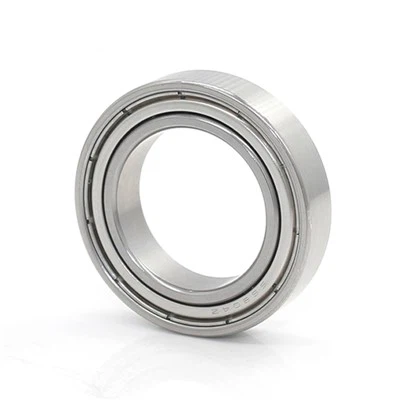
Ball bearings are essential components in a wide range of machinery and equipment, providing smooth and efficient rotation. However, misalignment is a common issue that can significantly affect the performance and lifespan of ball bearings. As a ball bearing supplier, I have encountered numerous cases where misalignment has caused problems for our customers. In this blog post, I will explore how ball bearings handle misalignment, the types of misalignment, and the solutions we offer to mitigate its effects.
Understanding Misalignment in Ball Bearings
Misalignment in ball bearings occurs when the inner and outer races are not perfectly aligned. This can happen due to various reasons, such as improper installation, shaft deflection, thermal expansion, or manufacturing tolerances. Misalignment can be classified into two main types: angular misalignment and parallel misalignment.


Angular misalignment refers to the deviation of the bearing axis from its ideal position, resulting in an angle between the inner and outer races. This type of misalignment can cause uneven loading on the balls, leading to increased wear and premature failure. Parallel misalignment, on the other hand, occurs when the inner and outer races are offset parallel to each other. This can also cause uneven loading and increased friction, reducing the efficiency of the bearing.
How Ball Bearings Handle Misalignment
Ball bearings are designed to handle a certain degree of misalignment. The design of the bearing, including the shape of the races and the size and number of balls, plays a crucial role in its ability to accommodate misalignment. Here are some ways ball bearings handle misalignment:
- Self-aligning ball bearings: These bearings are specifically designed to accommodate angular misalignment. They have a spherical outer raceway that allows the inner ring and balls to align themselves automatically. Self-aligning ball bearings are commonly used in applications where misalignment is expected, such as in conveyor systems and electric motors.
- Deep groove ball bearings: While deep groove ball bearings are not specifically designed for misalignment, they can tolerate a small amount of angular and parallel misalignment. The deep groove design provides a relatively large contact area between the balls and the races, which helps distribute the load evenly and reduces the impact of misalignment. 6805W6.5-2Z Bicycle Bearing 25377 mm Bicycle Hub Ball Bearing is an example of a deep groove ball bearing that can handle some misalignment in bicycle applications.
- Mini deep groove ball bearings: Similar to regular deep groove ball bearings, Mini Deep Groove Ball Bearings 681 can also tolerate a small amount of misalignment. These bearings are often used in small-scale applications where space is limited, such as in electronics and medical devices.
- 6700 Series Deep Groove Ball Bearings: The 6700 Series Deep Groove Ball Bearings are designed with a special geometry that allows them to handle misalignment better than standard deep groove ball bearings. They are suitable for applications where moderate misalignment is expected, such as in automotive and industrial machinery.
Effects of Misalignment on Ball Bearings
While ball bearings can handle a certain degree of misalignment, excessive misalignment can have detrimental effects on their performance and lifespan. Here are some of the common problems caused by misalignment:
- Increased wear: Misalignment can cause uneven loading on the balls and races, leading to increased wear. This can result in premature failure of the bearing and reduce the overall reliability of the machinery.
- Higher friction: Misalignment can also increase the friction between the balls and the races, which can lead to higher energy consumption and reduced efficiency. This can have a significant impact on the operating costs of the machinery.
- Noise and vibration: Misalignment can cause the bearing to vibrate and produce noise, which can be a sign of a serious problem. Excessive noise and vibration can also affect the comfort and safety of the operators.
- Seal damage: Misalignment can cause the seals of the bearing to wear out prematurely, allowing contaminants to enter the bearing and cause further damage. This can reduce the lifespan of the bearing and increase the maintenance costs.
Solutions to Mitigate Misalignment
As a ball bearing supplier, we offer several solutions to mitigate the effects of misalignment. Here are some of the strategies we recommend:
- Proper installation: Ensuring proper installation of the ball bearings is crucial to minimize misalignment. This includes using the correct tools and techniques, following the manufacturer's instructions, and checking the alignment of the shaft and housing before installation.
- Alignment devices: There are various alignment devices available in the market that can help ensure proper alignment of the ball bearings. These devices use laser or optical technology to measure and adjust the alignment of the shaft and housing.
- Self-aligning bearings: Using self-aligning ball bearings can be an effective solution for applications where misalignment is expected. These bearings can automatically adjust to the misalignment and reduce the stress on the bearing.
- Lubrication: Proper lubrication is essential for the smooth operation of ball bearings. Lubrication can help reduce friction and wear, and also protect the bearing from contaminants. We recommend using high-quality lubricants that are suitable for the specific application.
- Regular maintenance: Regular maintenance of the ball bearings is important to detect and correct any misalignment issues early. This includes checking the alignment of the shaft and housing, inspecting the bearings for wear and damage, and replacing the bearings when necessary.
Contact Us for Ball Bearing Solutions
If you are experiencing misalignment issues with your ball bearings or need advice on selecting the right bearings for your application, we are here to help. As a leading ball bearing supplier, we have a wide range of high-quality bearings to meet your needs. Our team of experts can provide you with technical support and guidance to ensure the optimal performance and lifespan of your bearings.
Contact us today to discuss your requirements and explore the solutions we offer. We look forward to working with you to solve your ball bearing challenges.
References
- Harris, T. A., & Kotzalas, M. N. (2007). Rolling Bearing Analysis (5th ed.). Wiley.
- SKF. (2019). SKF Bearing Handbook. SKF Group.
- Timken. (2018). Timken Engineering Handbook. Timken Company.