


Flange bearings are a crucial component in various industrial and mechanical applications, known for their ability to support radial and axial loads while providing a stable mounting surface. As a flange bearing supplier, I often encounter the question: "Do flange bearings require lubrication?" In this blog post, I'll delve into the intricacies of flange bearing lubrication, exploring when it's necessary, the types of lubricants to use, and the benefits of proper lubrication.
Understanding Flange Bearings
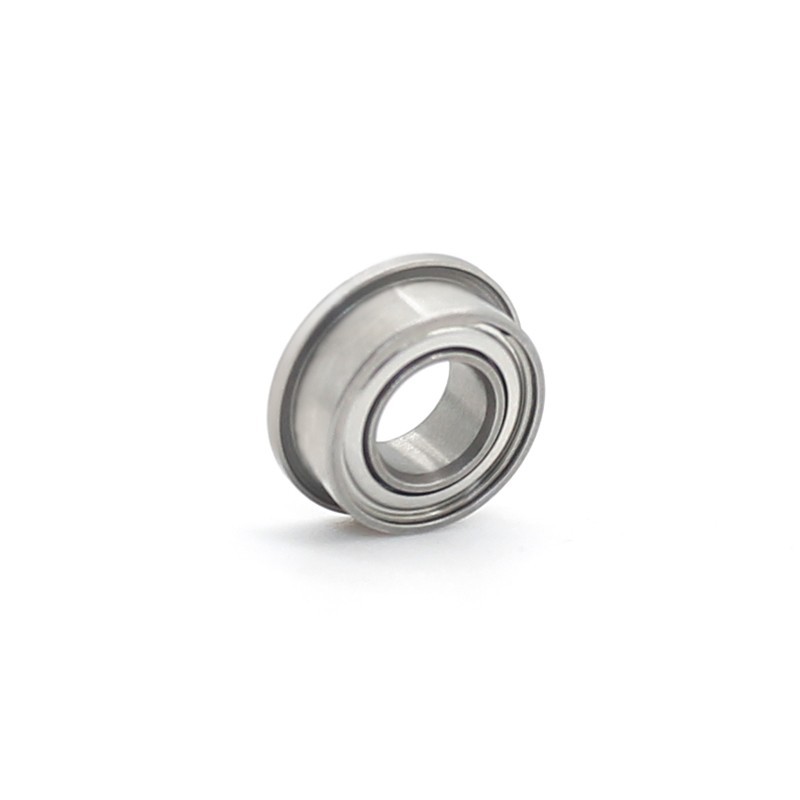
Before we discuss lubrication, let's briefly understand what flange bearings are. Flange bearings are a type of ball bearing that features a flange on one side of the outer ring. This flange provides a convenient way to mount the bearing to a surface, ensuring proper alignment and stability. Flange bearings are commonly used in applications such as conveyor systems, agricultural equipment, and automotive components.
The Need for Lubrication
The short answer to whether flange bearings require lubrication is yes, in most cases. Lubrication plays a vital role in the performance and longevity of flange bearings. Here are some key reasons why lubrication is essential:
Reducing Friction
Friction is the enemy of any moving part, and flange bearings are no exception. When the balls and races of a bearing rub against each other, friction generates heat, which can lead to premature wear and failure. Lubrication forms a thin film between the moving parts, reducing friction and minimizing heat generation.
Preventing Wear
In addition to reducing friction, lubrication also helps to prevent wear. The lubricant acts as a barrier, protecting the bearing surfaces from direct contact and abrasion. This is especially important in high-load or high-speed applications, where the risk of wear is greater.
Corrosion Protection
Flange bearings are often exposed to harsh environments, including moisture, chemicals, and dust. Lubrication helps to protect the bearing surfaces from corrosion, extending the life of the bearing.
Noise Reduction
Proper lubrication can also help to reduce noise and vibration in the bearing. By minimizing friction and wear, the bearing operates more smoothly, resulting in quieter operation.
When Lubrication is Not Required
While lubrication is generally recommended for flange bearings, there are some exceptions. In certain low-speed, low-load applications, such as those with minimal movement or where the bearing is sealed and pre-lubricated, lubrication may not be necessary. However, it's important to consult the bearing manufacturer's specifications to determine if lubrication is required for your specific application.
Types of Lubricants
There are several types of lubricants available for flange bearings, each with its own unique properties and applications. The most common types of lubricants include:
Grease
Grease is the most widely used lubricant for flange bearings. It is a semi-solid lubricant that consists of a base oil and a thickening agent. Grease offers several advantages, including good adhesion, high load-carrying capacity, and long service life. It is also easy to apply and can provide effective lubrication in a variety of environments.

Oil
Oil is another option for lubricating flange bearings. It is a liquid lubricant that offers excellent cooling and lubrication properties. Oil is often used in high-speed or high-temperature applications, where grease may not be suitable. However, oil requires a more complex lubrication system and may need to be changed more frequently.
Solid Lubricants
Solid lubricants, such as graphite or molybdenum disulfide, are sometimes used in applications where traditional lubricants are not suitable. Solid lubricants can provide lubrication in extreme environments, such as high temperatures or high pressures. However, they are generally less effective than grease or oil and may require more frequent application.
Choosing the Right Lubricant
Choosing the right lubricant for your flange bearings is crucial to ensure optimal performance and longevity. When selecting a lubricant, consider the following factors:
Operating Conditions
The operating conditions of your application, such as temperature, speed, load, and environment, will determine the type of lubricant that is most suitable. For example, in high-temperature applications, a high-temperature grease or oil may be required. In wet or corrosive environments, a lubricant with good corrosion protection properties may be necessary.
Bearing Type
The type of flange bearing you are using will also affect the choice of lubricant. Different bearing designs may require different types of lubricants to ensure proper lubrication and performance. Consult the bearing manufacturer's specifications for recommendations on the appropriate lubricant for your bearing.
Lubrication Method
The lubrication method you use will also influence the choice of lubricant. For example, if you are using a grease gun to apply the lubricant, a grease with a suitable consistency may be required. If you are using an oil bath or a circulating oil system, an oil with the appropriate viscosity may be necessary.
Lubrication Best Practices
Once you have chosen the right lubricant for your flange bearings, it's important to follow proper lubrication practices to ensure optimal performance and longevity. Here are some best practices to keep in mind:
Follow the Manufacturer's Recommendations
The bearing manufacturer's specifications will provide detailed information on the recommended lubricant type, quantity, and frequency of lubrication. It's important to follow these recommendations to ensure proper lubrication and performance.
Use the Right Lubrication Method
There are several methods for lubricating flange bearings, including grease guns, oil baths, and circulating oil systems. Choose the lubrication method that is most suitable for your application and ensure that it is used correctly.
Apply the Lubricant Correctly
When applying the lubricant, make sure to apply it evenly and in the correct amount. Over-lubrication can lead to increased friction, heat generation, and premature wear, while under-lubrication can result in insufficient lubrication and premature failure.
Monitor the Lubrication Condition
Regularly monitor the lubrication condition of your flange bearings to ensure that they are properly lubricated. Check the lubricant level, consistency, and color, and look for signs of contamination or wear. If necessary, replace the lubricant or the bearing.
Conclusion
In conclusion, flange bearings generally require lubrication to ensure optimal performance and longevity. Lubrication reduces friction, prevents wear, protects against corrosion, and reduces noise and vibration. When choosing a lubricant, consider the operating conditions, bearing type, and lubrication method. Follow proper lubrication practices, including following the manufacturer's recommendations, using the right lubrication method, applying the lubricant correctly, and monitoring the lubrication condition.
As a flange bearing supplier, we offer a wide range of high-quality flange bearings, including Gearbox Bearing MF148ZZ, Flange Bearing MF83, and Small Flange Bearings. We also provide expert advice on lubrication and other bearing-related issues. If you have any questions or need assistance with your flange bearing application, please don't hesitate to contact us for a consultation and potential purchase.
References
- Harris, T. A., & Kotzalas, M. N. (2007). Rolling Bearing Analysis. Wiley.
- SKF. (2021). SKF Rolling Bearing Handbook. SKF Group.
- Timken. (2021). Timken Bearing Handbook. Timken Company.


