


Can nylon rollers be used in glass manufacturing? This is a question that many in the glass manufacturing industry often ponder. As a nylon roller supplier, I am here to provide a comprehensive analysis of this topic, exploring the feasibility, advantages, and considerations when using nylon rollers in glass manufacturing processes.
The Feasibility of Nylon Rollers in Glass Manufacturing
Glass manufacturing involves a series of complex processes, including melting, forming, annealing, and finishing. Each stage requires precise control and the use of appropriate equipment to ensure the quality and integrity of the glass products. Nylon rollers have emerged as a potential option for various applications within these processes, primarily due to their unique properties.
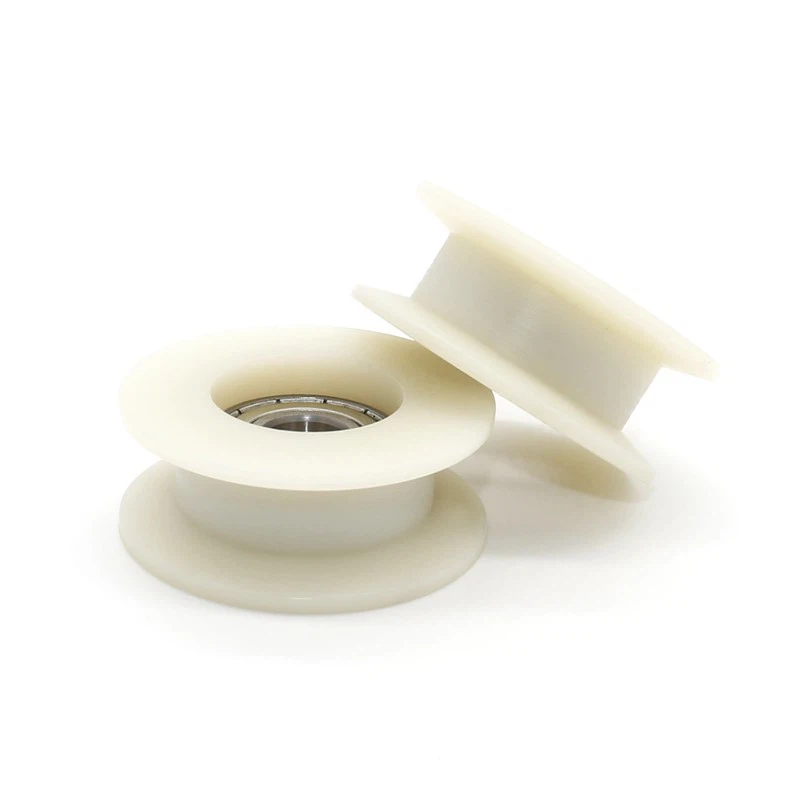
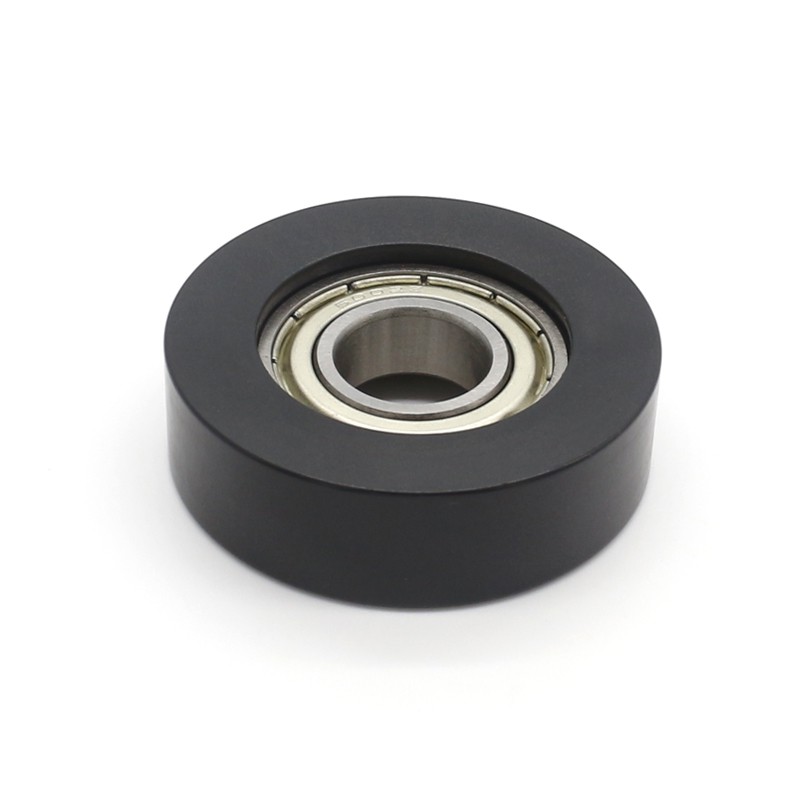
One of the key factors contributing to the feasibility of nylon rollers in glass manufacturing is their high strength - to - weight ratio. Nylon is a synthetic polymer that can withstand significant loads while being relatively lightweight. This characteristic is crucial in glass manufacturing, where large sheets of glass need to be transported and manipulated. For example, during the forming process, nylon rollers can support the weight of the molten or semi - molten glass without deforming under the pressure.
Another important aspect is the chemical resistance of nylon. Glass manufacturing often involves the use of various chemicals, such as fluxes and additives. Nylon rollers can resist the corrosive effects of these chemicals, ensuring a longer service life and reducing the risk of contamination to the glass. This is especially important in maintaining the purity and quality of the final glass products.
Advantages of Using Nylon Rollers in Glass Manufacturing
1. Low Friction
Nylon has a relatively low coefficient of friction, which is beneficial in glass manufacturing. When glass sheets are being moved along the production line, low - friction rollers reduce the amount of force required for transportation. This not only saves energy but also minimizes the risk of scratching or damaging the glass surface. For instance, in the annealing process, where glass needs to be slowly cooled to relieve internal stresses, smooth movement on low - friction nylon rollers helps to prevent any sudden jolts or vibrations that could lead to cracks in the glass.
2. Noise Reduction
The smooth operation of nylon rollers results in less noise compared to some other types of rollers. In a glass manufacturing plant, where multiple machines and processes are running simultaneously, noise reduction can significantly improve the working environment for employees. It also reduces the overall noise pollution in the surrounding area, which may be subject to local regulations.
3. Customizability
Nylon rollers can be easily customized to meet the specific requirements of different glass manufacturing processes. They can be produced in various sizes, shapes, and hardness levels. For example, in the cutting and edge - finishing processes, rollers with a specific hardness can be designed to ensure precise handling of the glass without causing any breakage.
4. Cost - Effectiveness
Compared to some metal rollers, nylon rollers are generally more cost - effective. They have a lower initial cost of production and require less maintenance over their lifespan. This makes them an attractive option for glass manufacturers looking to reduce production costs without sacrificing quality.
Considerations When Using Nylon Rollers in Glass Manufacturing
While nylon rollers offer many advantages, there are also some considerations that glass manufacturers need to take into account.
1. Temperature Resistance
Although nylon has a certain degree of heat resistance, it may not be suitable for extremely high - temperature applications. In the melting stage of glass manufacturing, where temperatures can reach over 1000°C, nylon rollers would not be able to withstand the heat. However, in processes such as cold forming, annealing, and packaging, where temperatures are relatively lower, nylon rollers can perform well.
2. Wear Resistance
In applications where there is high - speed movement or heavy abrasion, the wear resistance of nylon rollers may be a concern. Over time, the surface of the nylon rollers may wear down, which could affect the quality of the glass handling. To address this issue, manufacturers can choose nylon materials with enhanced wear - resistant properties or apply surface treatments to the rollers.
Specific Nylon Roller Products for Glass Manufacturing
As a nylon roller supplier, we offer a range of products suitable for glass manufacturing. Two of our popular products are the Nylon Roller 6002ZZ and the Nylon Roller 6001ZZ.
The Nylon Roller 6002ZZ is designed with a specific bearing configuration that provides smooth rotation and high load - carrying capacity. It is suitable for applications where large glass sheets need to be transported over long distances on the production line. The 6002ZZ model has been tested to ensure its durability and performance in various glass manufacturing environments.
The Nylon Roller 6001ZZ, on the other hand, is a more compact option. It is ideal for applications where space is limited, such as in some of the smaller glass processing machines. Despite its smaller size, it still offers excellent performance in terms of low friction and chemical resistance.
Conclusion
In conclusion, nylon rollers can indeed be used in glass manufacturing, offering a range of advantages such as low friction, noise reduction, customizability, and cost - effectiveness. However, glass manufacturers need to carefully consider factors such as temperature resistance and wear resistance when choosing nylon rollers for their specific processes.
As a nylon roller supplier, we are committed to providing high - quality products that meet the diverse needs of the glass manufacturing industry. If you are interested in learning more about our nylon rollers or would like to discuss your specific requirements, we encourage you to contact us for a detailed consultation. We look forward to the opportunity to work with you and contribute to the success of your glass manufacturing operations.
References
- "Plastics in Engineering Applications", John Wiley & Sons, Inc.
- "Glass Manufacturing Technology: Principles and Processes", Elsevier Science Publishing Co., Inc.


