


Can linear ball bearings be used in woodworking machinery?
In the realm of woodworking machinery, the choice of components plays a pivotal role in determining the efficiency, precision, and longevity of the equipment. One such component that often sparks debate is the linear ball bearing. As a supplier of linear ball bearings, I've witnessed firsthand the diverse applications and benefits these bearings can offer in woodworking. In this blog post, I'll explore whether linear ball bearings are suitable for woodworking machinery, delving into their features, advantages, and potential challenges.
Understanding Linear Ball Bearings
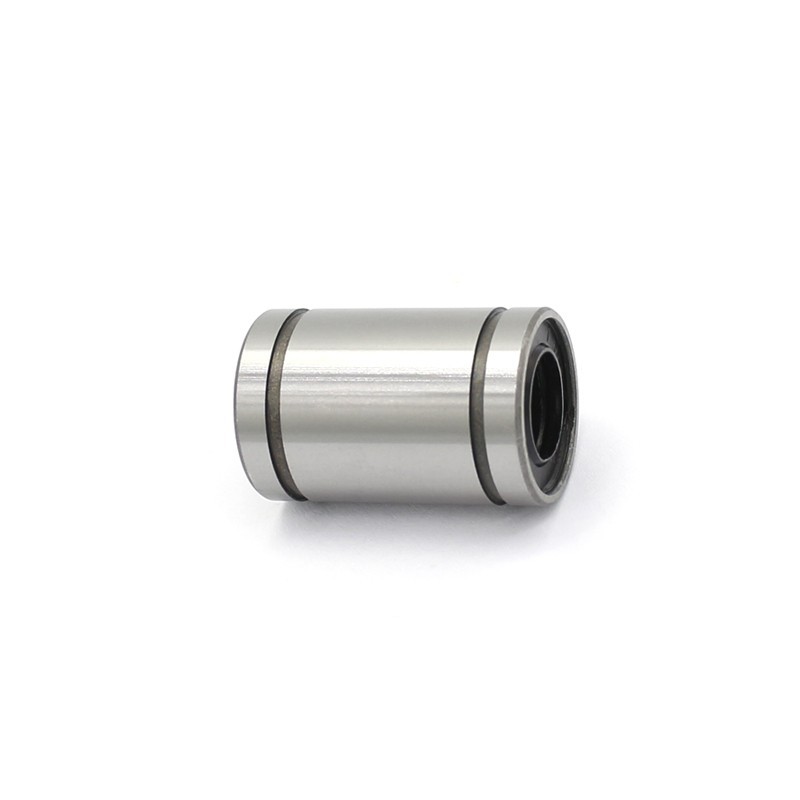
Linear ball bearings are mechanical devices designed to provide smooth, low-friction linear motion along a shaft. They consist of a housing, a series of balls, and a retainer that keeps the balls in place. The balls roll between the shaft and the housing, reducing friction and allowing for precise movement. These bearings are commonly used in a variety of industries, including automation, robotics, and manufacturing, due to their high precision, low noise, and long service life.
Advantages of Using Linear Ball Bearings in Woodworking Machinery
- Precision and Accuracy: Woodworking often requires high levels of precision, whether it's cutting, shaping, or joining pieces of wood. Linear ball bearings offer excellent positional accuracy, ensuring that the cutting tools or other moving parts of the machinery move in a straight line with minimal deviation. This precision translates into better quality finished products and reduced waste.
- Smooth Operation: The rolling motion of the balls in linear ball bearings results in smooth and quiet operation. This is particularly important in woodworking, where excessive noise can be a nuisance and may also indicate a problem with the machinery. Smooth operation also reduces wear and tear on the bearings and other components, extending their lifespan.
- High Load Capacity: Woodworking machinery often needs to handle heavy loads, especially when cutting or shaping large pieces of wood. Linear ball bearings are designed to withstand high radial and axial loads, making them suitable for use in applications where heavy loads are involved. This allows the machinery to operate efficiently and reliably under demanding conditions.
- Low Friction: The low friction coefficient of linear ball bearings reduces the amount of energy required to move the machinery. This not only saves energy but also reduces heat generation, which can be beneficial in preventing premature wear and damage to the bearings and other components.
- Easy Installation and Maintenance: Linear ball bearings are relatively easy to install and maintain. They can be easily replaced if they become worn or damaged, minimizing downtime and reducing maintenance costs. Additionally, many linear ball bearings are designed to be lubricated for life, eliminating the need for frequent lubrication.
Applications of Linear Ball Bearings in Woodworking Machinery
- Table Saws: Table saws are one of the most common types of woodworking machinery. Linear ball bearings can be used in the fence system of a table saw to ensure smooth and accurate movement of the fence. This allows for precise cutting of wood at different widths and angles.
- Router Tables: Router tables are used for shaping and profiling wood. Linear ball bearings can be used in the router lift mechanism to provide smooth and precise vertical movement of the router. This allows for accurate depth adjustment of the router bit, resulting in consistent and high-quality cuts.
- Band Saws: Band saws are used for cutting curves and irregular shapes in wood. Linear ball bearings can be used in the blade guide system of a band saw to ensure smooth and stable movement of the blade. This helps to prevent blade wandering and ensures accurate cutting.
- CNC Woodworking Machines: CNC (Computer Numerical Control) woodworking machines are used for automated cutting, shaping, and engraving of wood. Linear ball bearings are essential components in CNC machines, providing the precise linear motion required for accurate machining. They are used in the X, Y, and Z axes of the machine to control the movement of the cutting tool.
Potential Challenges and Considerations
While linear ball bearings offer many advantages in woodworking machinery, there are also some potential challenges and considerations to keep in mind.
- Dust and Debris: Woodworking generates a significant amount of dust and debris, which can accumulate in the linear ball bearings and cause damage. To prevent this, it's important to use appropriate dust collection systems and to regularly clean and lubricate the bearings.
- Vibration and Shock: Woodworking machinery can generate vibration and shock during operation, which can affect the performance and lifespan of the linear ball bearings. To minimize the impact of vibration and shock, it's important to use bearings that are designed to withstand these conditions and to properly mount and secure the bearings.
- Cost: Linear ball bearings can be more expensive than other types of bearings. However, the benefits they offer in terms of precision, smooth operation, and long service life often outweigh the higher cost. It's important to consider the overall cost of ownership, including maintenance and replacement costs, when choosing linear ball bearings for woodworking machinery.
Recommended Linear Ball Bearings for Woodworking Machinery
As a supplier of linear ball bearings, I recommend the following products for use in woodworking machinery:
- LM10UU Bearing: This is a popular size of linear ball bearing that is suitable for a variety of woodworking applications. It offers high precision, smooth operation, and a long service life.
- LM16UU Bearing: This larger size of linear ball bearing is ideal for applications where higher load capacity is required. It provides excellent stability and accuracy, making it suitable for use in heavy-duty woodworking machinery.
- Linear Roller Bearings: Linear roller bearings are designed to handle higher loads and provide even smoother operation than traditional linear ball bearings. They are a great choice for applications where high precision and heavy loads are involved.
Conclusion
In conclusion, linear ball bearings can be an excellent choice for use in woodworking machinery. They offer many advantages, including precision, smooth operation, high load capacity, low friction, and easy installation and maintenance. However, it's important to consider the potential challenges and to choose the right bearings for the specific application. By selecting high-quality linear ball bearings and properly maintaining them, woodworking machinery can operate efficiently and reliably, producing high-quality finished products.
If you're interested in learning more about linear ball bearings for woodworking machinery or would like to discuss your specific requirements, please don't hesitate to contact us. We're here to help you find the right solutions for your woodworking needs.

References
- Machinery's Handbook, 31st Edition
- Industrial Bearings Handbook
- Woodworking Machinery Manufacturers Association (WMMA) Publications


