


Polyurethane bearings have gained significant popularity in various industries due to their unique properties and versatility. As a leading polyurethane bearing supplier, I am often asked about the materials used to make these bearings. In this blog post, I will delve into the key materials involved in the production of polyurethane bearings, their characteristics, and how they contribute to the overall performance of the bearings.
Polyurethane Material
The primary material used in making polyurethane bearings is, of course, polyurethane itself. Polyurethane is a polymer composed of organic units joined by carbamate (urethane) links. It is a highly adaptable material that can be formulated to have a wide range of properties, making it suitable for different applications.
Types of Polyurethane
There are two main types of polyurethane used in bearing production: thermoplastic polyurethane (TPU) and thermoset polyurethane.
- Thermoplastic Polyurethane (TPU): TPU is a type of polyurethane that can be melted and reshaped when heated. It has excellent elasticity, abrasion resistance, and chemical resistance. TPU is often used in applications where flexibility and durability are required, such as in conveyor belt bearings. For example, our Conveyor Belt BearingsS683ZZ are made with high - quality TPU, which can withstand the continuous movement and stress of conveyor systems.
- Thermoset Polyurethane: Thermoset polyurethane is formed by a chemical reaction that causes the material to harden irreversibly. It has high strength, stiffness, and heat resistance. Thermoset polyurethane is commonly used in applications where high load - bearing capacity and dimensional stability are needed, such as in heavy - duty machinery bearings.
Properties of Polyurethane
Polyurethane offers several advantages that make it an ideal material for bearings:
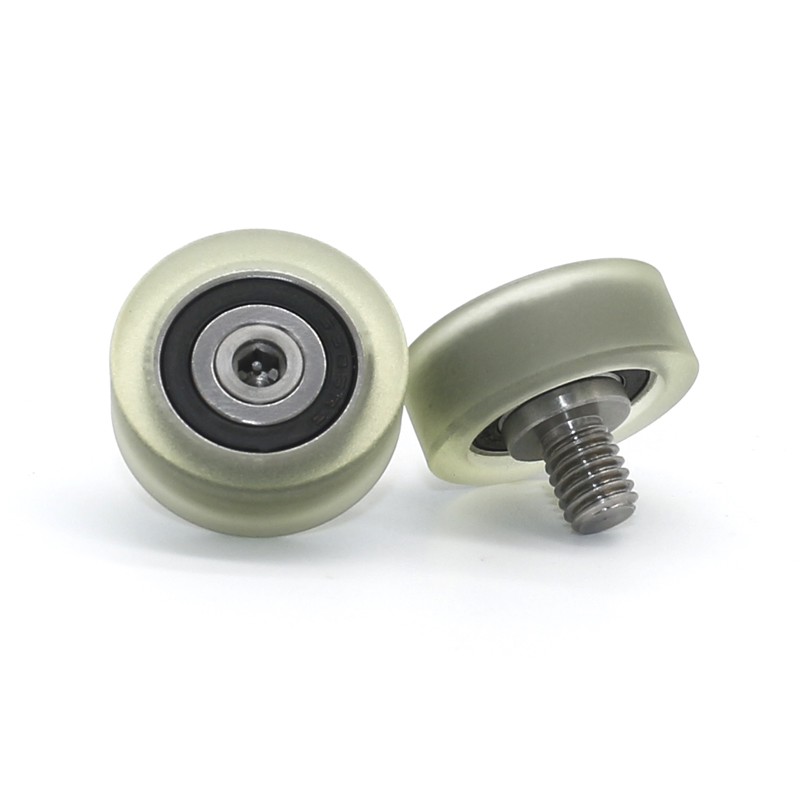

- Abrasion Resistance: Polyurethane has excellent abrasion resistance, which means that the bearings can withstand the wear and tear caused by friction. This property extends the lifespan of the bearings and reduces the need for frequent replacements.
- Chemical Resistance: Polyurethane is resistant to a wide range of chemicals, including oils, solvents, and acids. This makes it suitable for use in harsh environments where other materials may corrode or degrade.
- Elasticity: Polyurethane has high elasticity, which allows it to absorb shock and vibration. This property helps to reduce noise and improve the overall performance of the machinery.
- Low Friction: Polyurethane has a low coefficient of friction, which means that the bearings can operate smoothly with less energy consumption.
Reinforcement Materials
In addition to polyurethane, reinforcement materials are often used to enhance the mechanical properties of the bearings.
Fiberglass
Fiberglass is a common reinforcement material used in polyurethane bearings. It consists of fine glass fibers that are embedded in the polyurethane matrix. Fiberglass provides high strength and stiffness to the bearings, making them more resistant to deformation under load. It also improves the dimensional stability of the bearings, ensuring that they maintain their shape and size over time.
Carbon Fiber
Carbon fiber is another high - performance reinforcement material. It is lighter and stronger than fiberglass, offering excellent strength - to - weight ratio. Carbon fiber - reinforced polyurethane bearings are often used in applications where weight reduction is critical, such as in aerospace and automotive industries.
Aramid Fiber
Aramid fiber, such as Kevlar, is known for its high strength and cut resistance. When used as a reinforcement in polyurethane bearings, it can improve the impact resistance and durability of the bearings. Aramid fiber - reinforced bearings are suitable for applications where the bearings are exposed to high - energy impacts or sharp objects.
Metal Components
Many polyurethane bearings also incorporate metal components, such as steel or stainless - steel inner and outer rings.
Inner and Outer Rings
The metal inner and outer rings provide the structural support for the bearing. They are precision - machined to ensure a proper fit and alignment. The rings also help to distribute the load evenly across the bearing, reducing stress concentrations and improving the overall load - bearing capacity.
Cages
Cages are used to separate and guide the rolling elements (such as balls or rollers) in the bearing. They are typically made of metal, such as steel or brass. The cage helps to maintain the proper spacing between the rolling elements, ensuring smooth operation and reducing friction.
Lubricants
Lubricants are an important part of polyurethane bearings. They help to reduce friction, wear, and heat generation during operation.
Grease
Grease is a common lubricant used in polyurethane bearings. It is a semi - solid lubricant that can adhere to the bearing surfaces, providing long - lasting lubrication. Grease also helps to seal the bearing, preventing the ingress of contaminants and moisture.
Oil
Oil can also be used as a lubricant, especially in high - speed or high - temperature applications. Oil provides better heat dissipation and lower friction compared to grease. However, it requires a more complex lubrication system to ensure proper distribution.
Applications of Polyurethane Bearings
Polyurethane bearings are used in a wide range of applications, including:
- Conveyor Systems: As mentioned earlier, polyurethane bearings are ideal for conveyor systems due to their abrasion resistance and elasticity. Our Conveyor Belt BearingsS683ZZ are widely used in conveyor systems to ensure smooth and reliable operation.
- Automotive Industry: Polyurethane bearings are used in various automotive components, such as suspension systems, steering systems, and engine mounts. Their low friction and high durability make them suitable for these high - performance applications.
- Industrial Machinery: In industrial machinery, polyurethane bearings are used in pumps, motors, and other equipment. They can withstand the high loads and harsh operating conditions typically found in industrial environments.
- Aerospace Industry: The aerospace industry requires lightweight and high - performance bearings. Polyurethane bearings, especially those reinforced with carbon fiber, meet these requirements and are used in aircraft landing gear, control systems, and other critical components.
Contact for Purchase and Negotiation
If you are interested in purchasing polyurethane bearings for your specific application, I encourage you to contact us. We have a wide range of products, including Polyurethane Coated Roller Bearing S625RS and Polyurethane Coated Pulley Bearing 605RS. Our team of experts can provide you with detailed product information, technical support, and competitive pricing. We look forward to discussing your needs and working with you to find the best bearing solutions for your business.
References
- "Polyurethane Handbook" by G. Oertel
- "Bearing Technology Handbook" by A. Palmgren


