


What is the vibration level of 6900 bearing?
As a supplier of 6900 bearings, I am often asked about the vibration level of these bearings. Vibration is a crucial factor in the performance and reliability of bearings, and understanding it helps ensure the smooth operation of machinery.
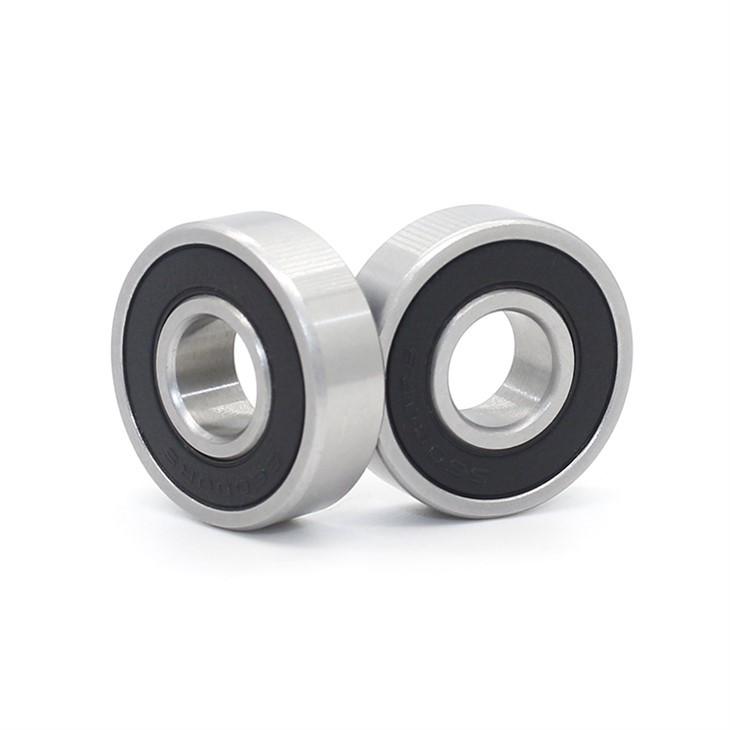
The 6900 bearing is a type of deep - groove ball bearing known for its high - speed performance and ability to withstand radial and axial loads. The vibration level of a 6900 bearing is influenced by several factors.
One of the primary factors is the manufacturing precision. High - quality 6900 bearings are produced with tight tolerances. The roundness of the raceways, the size and shape of the balls, and the surface finish all play significant roles. When these elements are precisely manufactured, the bearing can operate with less vibration. Our company adheres to strict quality control measures during the production process to guarantee a high level of manufacturing precision for our 6900 bearings.

Another important factor is the lubrication. Proper lubrication reduces friction between the moving parts of the bearing, which in turn reduces vibration. Insufficient or contaminated lubrication can cause increased friction, leading to higher vibration levels and potentially premature wear of the bearing. We always recommend using the appropriate lubricant for our 6900 bearings and ensuring that the lubrication system is well - maintained.
The installation also affects the vibration level. If the bearing is not installed correctly, such as being misaligned or having an improper fit, it will generate excessive vibration. We provide detailed installation guides to our customers to ensure that the 6900 bearings are installed properly. This includes recommendations on the correct mounting forces, the use of appropriate tools, and how to check for alignment during installation.
To measure the vibration level of a 6900 bearing, specialized equipment is used. Vibration sensors can be attached to the bearing housing to detect the amplitude and frequency of the vibrations. The vibration is usually measured in terms of acceleration (m/s²), velocity (mm/s), or displacement (μm). Industry standards have been established to define acceptable vibration levels for different types of bearings, including the 6900 bearing. These standards take into account factors such as the speed of the bearing, the load it is carrying, and the type of application.
In general, for a 6900 bearing operating under normal conditions, a low - vibration level indicates a well - functioning bearing. Excessive vibration can be a sign of problems such as wear, misalignment, or lubrication issues. If the vibration level exceeds the acceptable limits, it is necessary to take immediate action to prevent further damage to the bearing and the machinery in which it is installed.
When comparing the vibration levels of the 6900 bearing with other types of bearings, it is important to consider their design and application. For example, the Cooling Fan Bearings MR52ZZ are designed for use in cooling fans, where low noise and vibration are essential for quiet operation. The 6900 bearing, on the other hand, is more commonly used in applications that require high - speed rotation and the ability to handle radial and axial loads.
The 6000 Series Deep Groove Ball Bearings and 6700 Series Deep Groove Ball Bearings also have their own characteristics in terms of vibration levels. The 6000 series is known for its versatility and is used in a wide range of applications. The 6700 series is often used in high - speed, low - load applications. Each series has been optimized to achieve a certain level of vibration performance based on its intended use.
As a supplier of 6900 bearings, we are committed to providing our customers with bearings that have low vibration levels. We continuously invest in research and development to improve the manufacturing process and the quality of our products. Our in - house testing facilities allow us to measure the vibration levels of our 6900 bearings accurately and ensure that they meet or exceed industry standards.
If you are in the market for high - quality 6900 bearings with low vibration levels, we invite you to contact us for procurement and further discussions. Our team of experts is ready to assist you in selecting the right bearings for your specific applications. We can provide you with detailed technical information, including vibration test results, and offer advice on installation and maintenance to help you get the most out of our products.
References
- Bearing Vibration Standards Handbook. [Publisher Name, Year]
- Manufacturing Technology of High - Precision Ball Bearings. [Author Name, Year]
- Lubrication Principles for Bearings. [Organization Name, Year]


