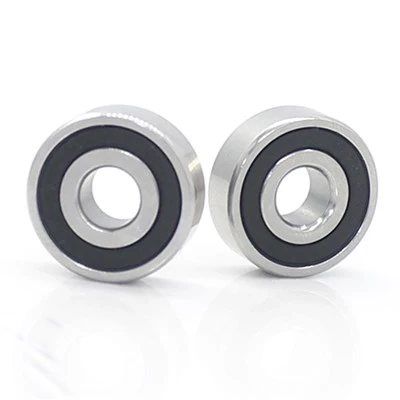
Hey there! As a supplier of GE50 Bearing, I often get asked about the precision grade of this particular bearing. So, I thought I'd take a moment to break it down for you.
First off, let's talk about what precision grade means in the context of bearings. Precision grade is a measure of how accurately a bearing is manufactured. It's determined by a number of factors, including the size, shape, and surface finish of the bearing components. The higher the precision grade, the more accurate the bearing is, and the better it will perform.
Now, let's get to the GE50 Bearing. The precision grade of the GE50 Bearing can vary depending on the specific application and requirements. However, in general, the GE50 Bearing is available in a range of precision grades, from standard to high precision.
The standard precision grade of the GE50 Bearing is suitable for most general applications. It provides a good balance between performance and cost, and is widely used in a variety of industries, including automotive, aerospace, and industrial machinery.
If you need a higher level of precision, the GE50 Bearing is also available in high precision grades. These grades are designed for applications that require extremely accurate and reliable performance, such as high-speed machinery, precision instruments, and medical equipment.
So, how do you know which precision grade is right for your application? Well, it really depends on a number of factors, including the speed, load, and accuracy requirements of your application. If you're not sure, it's always a good idea to consult with a bearing expert or supplier. They can help you determine the best precision grade for your specific needs.
In addition to precision grade, there are a number of other factors to consider when choosing a bearing, including the type of bearing, the material, and the lubrication. The type of bearing you choose will depend on the specific application and requirements. For example, if you need a bearing that can handle high radial loads, you might choose a radial ball bearing. If you need a bearing that can handle high axial loads, you might choose a thrust ball bearing.
The material of the bearing is also important. Different materials have different properties, such as strength, hardness, and corrosion resistance. The material you choose will depend on the specific application and requirements. For example, if you need a bearing that can handle high temperatures, you might choose a bearing made of a high-temperature material, such as ceramic or stainless steel.
Finally, the lubrication of the bearing is also important. Lubrication helps to reduce friction and wear, and can extend the life of the bearing. The type of lubrication you choose will depend on the specific application and requirements. For example, if you need a bearing that can operate in a high-speed environment, you might choose a bearing that is lubricated with a high-speed lubricant.
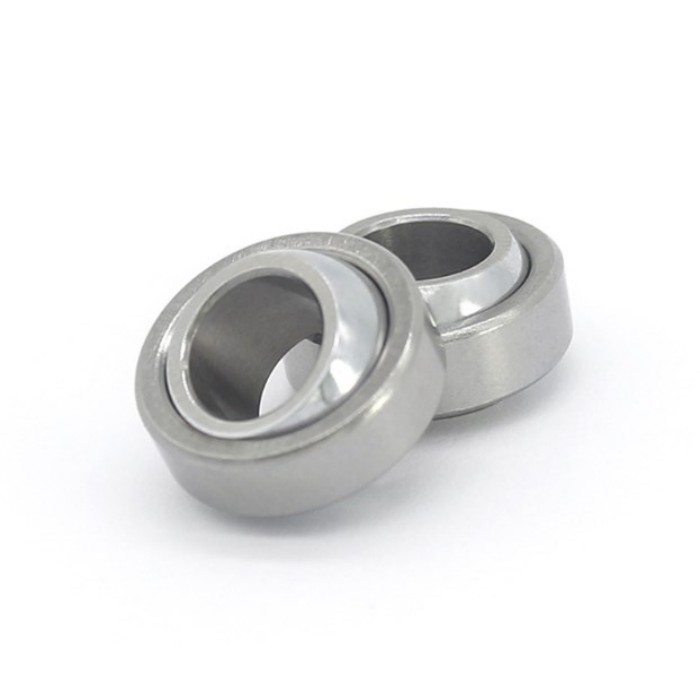

As a supplier of GE50 Bearing, I have a lot of experience working with different types of bearings and applications. I can help you choose the right bearing for your specific needs, and provide you with the support and advice you need to ensure that your bearing performs at its best.
If you're interested in learning more about the GE50 Bearing, or if you have any questions about precision grade or other bearing-related topics, please don't hesitate to contact me. I'd be happy to help you find the right bearing for your application, and to answer any questions you might have.
In conclusion, the precision grade of the GE50 Bearing can vary depending on the specific application and requirements. However, in general, the GE50 Bearing is available in a range of precision grades, from standard to high precision. When choosing a bearing, it's important to consider a number of factors, including the type of bearing, the material, and the lubrication. As a supplier of GE50 Bearing, I can help you choose the right bearing for your specific needs, and provide you with the support and advice you need to ensure that your bearing performs at its best. So, if you're in the market for a high-quality bearing, give me a call or send me an email. I'd be happy to help you out!
If you're also curious about other bearings, like the GE80 Bearing, I can share some insights on that too. It has its own unique features and precision grades that might suit different applications.
Don't miss out on the opportunity to get the perfect bearing for your project. Whether it's for a small DIY job or a large industrial application, I'm here to assist you in making the right choice. Reach out to me for a detailed discussion on how we can meet your bearing needs.
References
- Bearing Handbook: A comprehensive guide on bearing types, precision grades, and applications.
- Industry Standards and Specifications for Bearings.