


Hey there! As a supplier of screw bearings, I've been in the game for quite a while, and I've seen firsthand how crucial these little components are in automotive engines. So, let's dive into what the requirements for screw bearings in automotive engines actually are.
1. Precision and Tolerance
First off, precision is key when it comes to screw bearings in automotive engines. These engines operate at incredibly high speeds and under extreme conditions. The slightest deviation in the bearing's dimensions can lead to serious problems. For example, if the inner or outer diameter of the bearing isn't within the specified tolerance, it can cause misalignment. This misalignment can result in uneven wear on the bearing and other engine parts, reducing the engine's efficiency and lifespan.
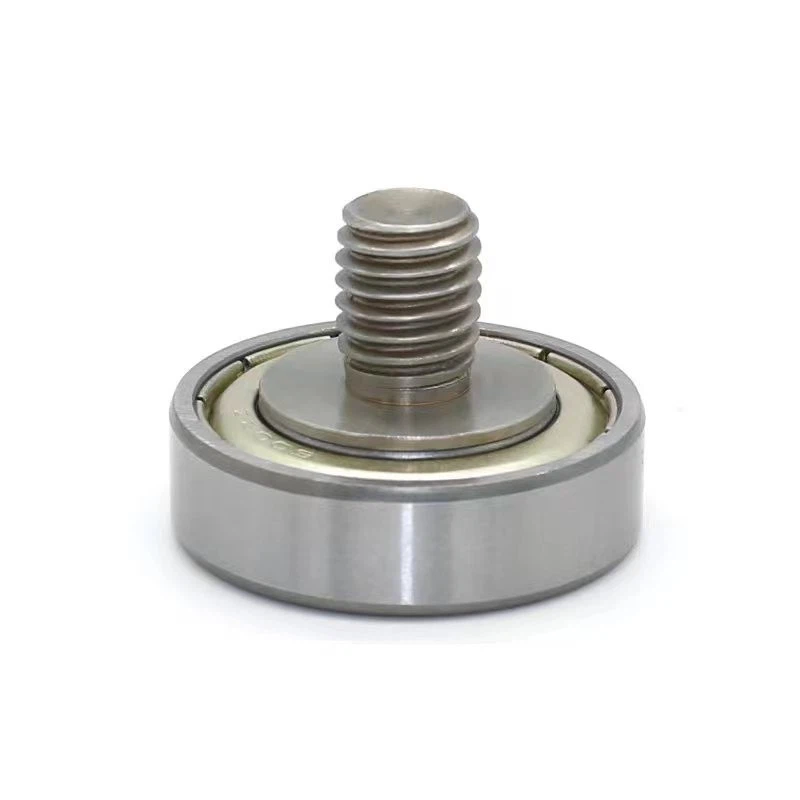

We at our company understand this need for precision. That's why we use state - of - the - art manufacturing techniques to ensure that our bearings, like the Screw BearingsS609ZZ, meet the strictest tolerance requirements. Our quality control team checks each bearing thoroughly to make sure it adheres to the industry standards.
2. Load - Bearing Capacity
Automotive engines generate a lot of force, and the screw bearings need to be able to handle it. There are two main types of loads that these bearings encounter: radial loads and axial loads. Radial loads act perpendicular to the axis of the bearing, while axial loads act parallel to it.
In an engine, the pistons moving up and down create radial loads on the bearings. At the same time, the rotation of the crankshaft and other components can generate axial loads. A good screw bearing, such as the External Threaded Bearing 6002ZZ With Screw, must be designed to handle both types of loads effectively.
The load - bearing capacity of a bearing depends on several factors, including the material it's made of, its size, and the design of its internal components. We use high - quality steel alloys in our bearings to ensure they can withstand the heavy loads in automotive engines.
3. Lubrication and Friction
Lubrication is another critical requirement for screw bearings in automotive engines. Friction can cause a lot of problems, such as heat generation, wear, and noise. A well - lubricated bearing reduces friction, which in turn improves the engine's efficiency and reduces wear and tear.
There are different types of lubricants available, and the choice depends on the specific application and operating conditions of the engine. Some engines operate at high temperatures, so a lubricant with good high - temperature stability is needed. Others may require a lubricant that can resist water and contaminants.
We recommend using high - quality lubricants with our bearings, and we can provide guidance on the best lubrication practices. Our Screw BearingsS696ZZ are designed to work well with a variety of lubricants, ensuring smooth operation in different engine environments.
4. Corrosion Resistance
Automotive engines are often exposed to harsh environments, including moisture, chemicals, and road salt. These elements can cause corrosion, which can damage the bearings and lead to premature failure.
To combat corrosion, our screw bearings are treated with special coatings and finishes. These coatings act as a barrier between the bearing and the corrosive elements, protecting the bearing and extending its lifespan. For example, we use a zinc - plating process on some of our bearings to provide excellent corrosion resistance.
5. Noise and Vibration Dampening
No one wants a noisy engine. Excessive noise and vibration can not only be annoying but also indicate a problem with the bearings. Screw bearings in automotive engines need to be designed to dampen noise and vibration.
The design of the bearing's internal components, such as the balls or rollers and the cage, plays a crucial role in noise and vibration dampening. We use advanced design techniques to minimize the noise and vibration generated by our bearings. This ensures a smoother and quieter engine operation.
6. Compatibility with Engine Components
Screw bearings need to be compatible with other engine components. They must fit properly with the shafts, housings, and other parts of the engine. If the bearing is not compatible, it can cause problems such as misalignment, excessive wear, and reduced performance.
We work closely with automotive manufacturers to ensure that our bearings are designed to be fully compatible with their engines. We take into account the specific requirements of each engine model, including the size, shape, and operating conditions, to provide the most suitable bearings.
7. Longevity and Reliability
In the automotive industry, reliability is everything. A bearing failure can lead to costly repairs and downtime. That's why our screw bearings are built to last. We use high - quality materials and advanced manufacturing processes to ensure the longevity and reliability of our products.
We also conduct extensive testing on our bearings to simulate real - world operating conditions. This helps us identify any potential issues and make improvements before the bearings are released to the market.
Conclusion
So, there you have it - the main requirements for screw bearings in automotive engines. Precision, load - bearing capacity, lubrication, corrosion resistance, noise and vibration dampening, compatibility, and longevity are all crucial factors.
If you're in the market for high - quality screw bearings for your automotive engines, look no further. We're a trusted supplier with years of experience and a commitment to providing the best products. Whether you need the Screw BearingsS609ZZ, External Threaded Bearing 6002ZZ With Screw, or Screw BearingsS696ZZ, we've got you covered.
If you're interested in learning more about our products or have any questions, feel free to reach out to us. We're always happy to discuss your specific needs and help you find the right bearings for your automotive engines. Let's start a conversation and see how we can work together to improve your engine's performance.
References
- Automotive Engineering Handbook, various editions
- Bearing Design and Application Manuals from industry - leading manufacturers
- Research papers on automotive engine components and bearing technology


