


Screw bearings, essential components in various mechanical systems, play a crucial role in ensuring smooth and efficient operation. As a reliable screw bearings supplier, I understand the significance of proper packaging to maintain the quality and performance of these precision products. In this blog post, I will delve into the packaging requirements for screw bearings, highlighting the key considerations and best practices to ensure their safe transportation and storage.
Protection Against Physical Damage
One of the primary objectives of packaging screw bearings is to protect them from physical damage during handling, shipping, and storage. Screw bearings are precision-engineered components that can be easily damaged by impacts, vibrations, or excessive pressure. Therefore, the packaging must be designed to provide adequate cushioning and support to prevent any mechanical damage.

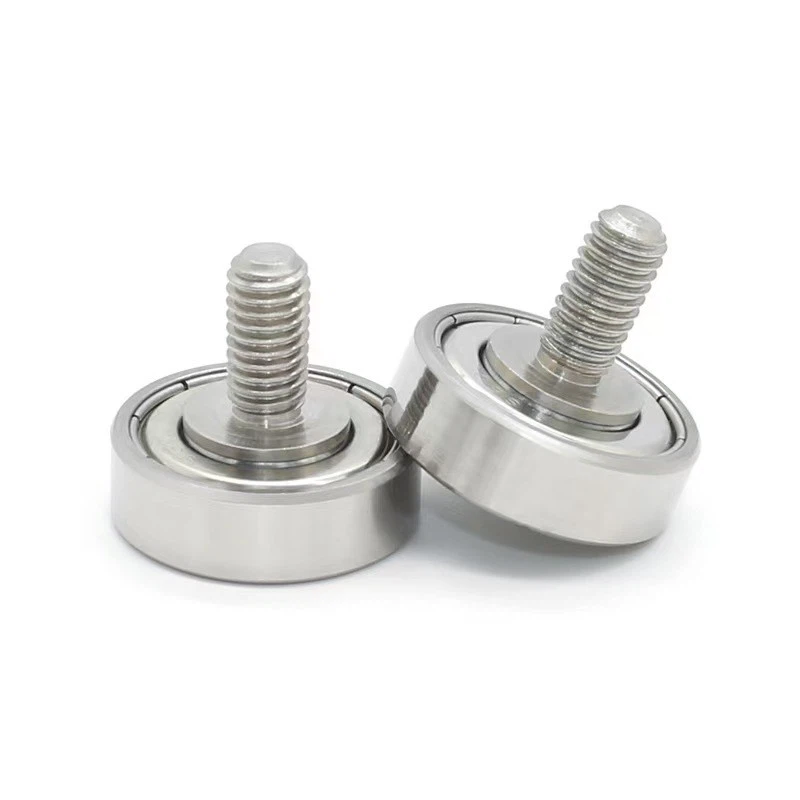
- Inner Packaging: The first layer of protection for screw bearings is the inner packaging. This typically consists of a plastic or paper wrapper that is tightly wrapped around the bearing to prevent it from moving or rubbing against other components. The wrapper should be made of a soft, non-abrasive material to avoid scratching the bearing surface.
- Intermediate Packaging: The intermediate packaging provides additional cushioning and support to the inner packaging. This can be in the form of foam inserts, bubble wrap, or corrugated cardboard. The intermediate packaging should be designed to fit snugly around the inner packaging, preventing any movement or shifting during transit.
- Outer Packaging: The outer packaging is the final layer of protection for screw bearings. It should be made of a sturdy, durable material such as cardboard or wooden boxes. The outer packaging should be designed to withstand the rigors of transportation and storage, protecting the bearings from external impacts and environmental factors.
Protection Against Corrosion and Contamination
In addition to physical damage, screw bearings are also susceptible to corrosion and contamination. Corrosion can occur when the bearing surface is exposed to moisture, chemicals, or other corrosive agents. Contamination can occur when the bearing is exposed to dust, dirt, or other foreign particles. Therefore, the packaging must be designed to provide a barrier against corrosion and contamination.
- Moisture Resistance: To prevent corrosion, the packaging should be designed to be moisture-resistant. This can be achieved by using moisture-proof materials such as plastic bags or sealed containers. The packaging should also include desiccants to absorb any moisture that may be present inside the package.
- Contamination Resistance: To prevent contamination, the packaging should be designed to be dust-proof and airtight. This can be achieved by using sealed containers or bags with tight-fitting lids. The packaging should also be stored in a clean, dry environment to minimize the risk of contamination.
Labeling and Identification
Proper labeling and identification are essential for ensuring the correct handling, storage, and installation of screw bearings. The packaging should include clear and accurate labeling that provides information about the bearing type, size, specifications, and any special handling instructions.
- Product Labeling: The product labeling should include the bearing type, size, and specifications. This information should be clearly printed on the outer packaging and any inner packaging materials. The product labeling should also include a part number or serial number for easy identification.
- Handling Instructions: The packaging should include clear and concise handling instructions that provide information about how to handle, store, and install the screw bearings. The handling instructions should include information about any special requirements or precautions that need to be taken to ensure the safe and proper use of the bearings.
Compatibility with Shipping and Storage Conditions
The packaging for screw bearings should be designed to be compatible with the shipping and storage conditions. This includes considerations such as the mode of transportation, the duration of storage, and the environmental conditions.
- Shipping Conditions: The packaging should be designed to withstand the rigors of transportation, including vibrations, shocks, and temperature changes. The packaging should also be designed to fit the shipping container or pallet to ensure efficient and safe transportation.
- Storage Conditions: The packaging should be designed to protect the screw bearings from environmental factors such as temperature, humidity, and light. The packaging should also be stored in a clean, dry environment to minimize the risk of corrosion and contamination.
Examples of Screw Bearings Packaging
As a screw bearings supplier, we offer a wide range of screw bearings with different packaging options to meet the specific needs of our customers. Here are some examples of our screw bearings and their packaging:
- Screw BearingsS609ZZ: These screw bearings are packaged in a plastic bag with a desiccant to prevent corrosion. The plastic bag is then placed in a foam insert to provide cushioning and support. The foam insert is then placed in a cardboard box for shipping and storage.
- External Threaded Bearing 6002ZZ With Screw: These external threaded bearings are packaged in a sealed plastic container to prevent contamination. The plastic container is then placed in a bubble wrap envelope to provide cushioning and support. The bubble wrap envelope is then placed in a cardboard box for shipping and storage.
- Screw BearingsS696ZZ: These screw bearings are packaged in a paper wrapper to prevent scratching. The paper wrapper is then placed in a foam insert to provide cushioning and support. The foam insert is then placed in a wooden box for shipping and storage.
Conclusion
Proper packaging is essential for ensuring the quality and performance of screw bearings. As a screw bearings supplier, we understand the importance of providing our customers with high-quality packaging that meets their specific needs. By following the packaging requirements outlined in this blog post, we can ensure that our screw bearings are protected from physical damage, corrosion, and contamination during transportation and storage.
If you are interested in purchasing screw bearings, please contact us to discuss your specific requirements. We would be happy to provide you with more information about our products and packaging options.
References
- "Bearing Packaging Guidelines," Bearing Engineering Association.
- "Packaging and Shipping of Precision Bearings," SKF.
- "Best Practices for Packaging and Shipping Bearings," Timken.


