


As a pump bearing supplier, I've witnessed firsthand the various challenges that pump bearings face in the field. These issues can lead to costly downtime, reduced efficiency, and even equipment failure if not addressed promptly. In this blog, I'll discuss some of the most common pump bearing problems and their solutions, drawing on my experience in the industry.
1. Lubrication Issues
Lubrication is crucial for the proper functioning of pump bearings. It reduces friction, dissipates heat, and protects the bearing surfaces from wear and corrosion. However, several lubrication - related problems can occur.
Inadequate Lubrication
When there is not enough lubricant in the bearing, friction increases significantly. This leads to excessive heat generation, which can cause the bearing material to soften and deform. Over time, the bearing surfaces will wear out, resulting in increased clearance and eventually, bearing failure.
Solution: Regularly check the lubricant level in the bearing housing. Follow the manufacturer's recommendations for lubricant type and quantity. For pumps operating in harsh environments, consider using high - performance lubricants with better anti - wear and heat - resistant properties.
Contaminated Lubrication
Dirt, dust, water, and other contaminants can enter the bearing through the seals. Once inside, these contaminants can act as abrasives, scratching the bearing surfaces and accelerating wear. Water can also cause corrosion, which weakens the bearing structure.
Solution: Install high - quality seals to prevent contaminants from entering the bearing. Periodically sample and analyze the lubricant to detect any signs of contamination. If contamination is detected, drain the old lubricant, clean the bearing housing thoroughly, and refill with fresh lubricant.
2. Misalignment
Misalignment occurs when the pump shaft and the motor shaft are not perfectly aligned. This can be either angular misalignment (the shafts are at an angle to each other) or parallel misalignment (the shafts are offset). Misalignment puts additional stress on the bearings, causing uneven wear and premature failure.
Angular Misalignment
Angular misalignment can cause the bearing to experience uneven loading across its raceways. This leads to increased stress on one side of the bearing, which can result in spalling (flaking of the bearing surface) and reduced bearing life.
Parallel Misalignment
Parallel misalignment forces the bearing to work harder to compensate for the offset. This can cause excessive vibration, which not only damages the bearing but also affects the overall performance of the pump.
Solution: Use precision alignment tools during the installation of the pump and motor. Regularly check the alignment of the shafts and make adjustments as needed. If misalignment is severe, it may be necessary to realign the entire pump - motor assembly.
3. Overloading
Overloading occurs when the pump is operating under conditions that exceed the bearing's rated capacity. This can be due to factors such as high pressure, high speed, or excessive radial or axial loads. Overloading can cause the bearing to overheat, deform, and eventually fail.
Solution: Ensure that the pump is properly sized for the application. Check the pump's operating conditions regularly and make sure they are within the bearing's rated capacity. If overloading is a persistent problem, consider upgrading to a bearing with a higher load - carrying capacity.
4. Fatigue Failure
Fatigue failure is a common problem in pump bearings, especially in applications where the bearing is subjected to cyclic loading. Over time, the repeated stress on the bearing surfaces causes small cracks to form. These cracks gradually grow and eventually lead to the separation of material from the bearing surface, a process known as spalling.
Solution: Select bearings with high fatigue resistance. Consider factors such as the material quality, heat treatment, and manufacturing process. Regularly inspect the bearings for signs of fatigue, such as spalling or pitting. If fatigue is detected, replace the bearing before it fails completely.
5. Corrosion
Corrosion can occur when the bearing is exposed to corrosive substances such as water, chemicals, or salt air. Corrosion attacks the bearing material, weakening its structure and reducing its performance.
Solution: Use bearings made of corrosion - resistant materials, such as stainless steel. For example, our Non Standard Stainless Steel Bearing S6000ZZ and Non Standard Stainless Steel Bearing S626ZZ are designed to withstand corrosive environments. Additionally, apply protective coatings to the bearing surfaces and ensure proper sealing to prevent the ingress of corrosive substances.
6. Vibration
Vibration can be caused by a variety of factors, including misalignment, unbalance, and worn components. Excessive vibration can damage the bearing by causing fretting (wear due to small relative motion between two surfaces in contact), loosening of the bearing mounting, and increased stress on the bearing components.
Solution: Identify and eliminate the source of vibration. This may involve balancing the rotating components, realigning the shafts, or replacing worn parts. Install vibration - damping devices, such as isolators or shock absorbers, to reduce the impact of vibration on the bearing.
7. Bearing Installation Issues
Improper installation can have a significant impact on the performance and lifespan of the bearing. Incorrect mounting can cause the bearing to be misaligned, over - tightened, or under - tightened, leading to premature failure.
Solution: Follow the manufacturer's installation instructions carefully. Use the correct tools and techniques for mounting the bearing. Ensure that the bearing housing and shaft are clean and free of burrs. Check the fit of the bearing on the shaft and in the housing to ensure proper alignment and preload.
Our Special Bearings for Pump Applications
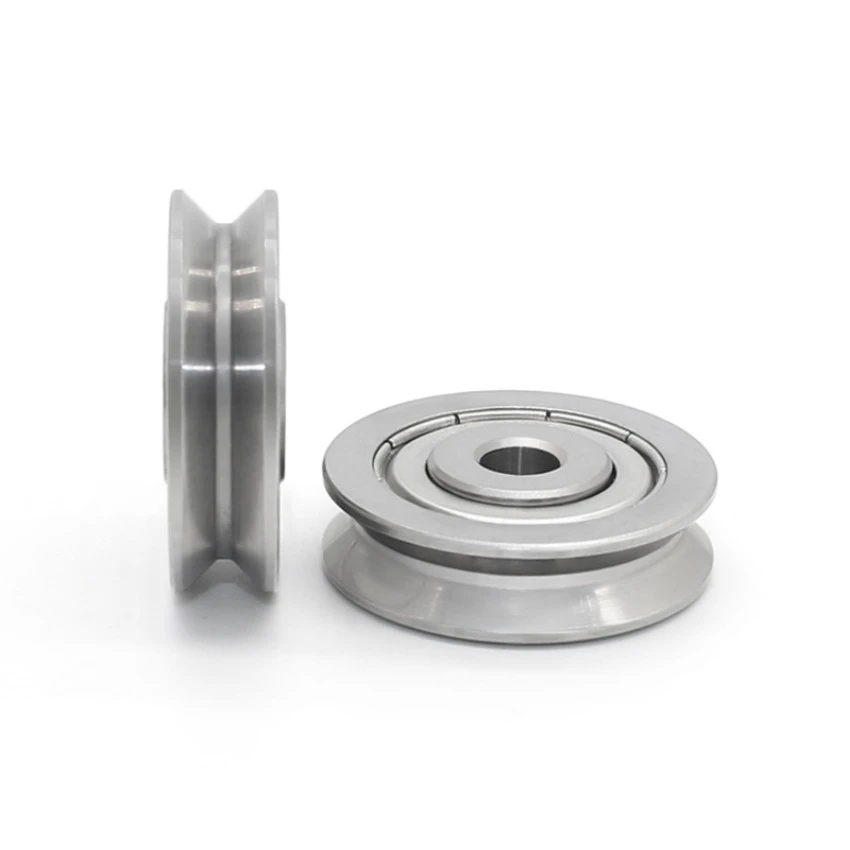
In addition to the common solutions mentioned above, we also offer special bearings that are specifically designed for pump applications. For example, our Special Bearing Guide Wheel Outer Ring Slotted Ball Bearing 6200 - 2RS provides excellent performance in demanding pump environments. It has a slotted outer ring design that allows for better lubrication and improved load distribution, reducing the risk of bearing failure.
Conclusion
Pump bearing problems can be complex and costly, but with the right knowledge and solutions, they can be effectively managed. By addressing issues such as lubrication, misalignment, overloading, fatigue, corrosion, vibration, and installation problems, you can extend the lifespan of your pump bearings and improve the overall performance of your pumps.

If you're facing pump bearing problems or are in the market for high - quality pump bearings, don't hesitate to contact us. We're here to provide you with the best solutions and support for your pump bearing needs.
References
- Machinery's Handbook, 31st Edition
- Bearing Installation and Maintenance Guide, SKF
- Pump Handbook, 4th Edition


