


Screw pulleys are essential components in various mechanical systems, providing a means to change the direction of force, transmit power, and support loads. As a screw pulley supplier, I've witnessed firsthand the common challenges and failures that these components face. Understanding these issues is crucial for both users and suppliers to ensure optimal performance and longevity of the equipment.
1. Wear and Tear
One of the most prevalent failures in screw pulleys is wear and tear. Over time, the constant friction between the pulley and the rope or belt can cause the surface of the pulley to degrade. This wear can be accelerated by factors such as high loads, abrasive materials, and improper lubrication.
For example, in applications where the pulley is used to lift heavy objects, the excessive force exerted on the pulley can lead to rapid wear of the bearing surface. Additionally, if the rope or belt contains abrasive particles, it can further exacerbate the wear. As the pulley wears, its efficiency decreases, and it may eventually fail to function properly.
To mitigate wear and tear, regular maintenance is essential. This includes lubricating the pulley bearings, inspecting the pulley surface for signs of wear, and replacing worn components as needed. Using high - quality materials and proper lubricants can also significantly extend the lifespan of the pulley.
2. Bearing Failure
The bearings in a screw pulley play a critical role in its smooth operation. Bearing failure can occur due to several reasons, such as overloading, improper installation, and lack of lubrication.
Overloading the pulley can cause excessive stress on the bearings, leading to premature wear and failure. For instance, if a pulley is designed to handle a certain load capacity and is subjected to a higher load, the bearings may not be able to withstand the pressure. Improper installation, such as misalignment of the bearings or incorrect tightening of the mounting bolts, can also cause uneven stress distribution and lead to bearing failure.
Lack of lubrication is another common cause of bearing failure. Lubrication helps to reduce friction between the bearing components and prevents the build - up of heat. Without proper lubrication, the bearings can overheat, causing the lubricant to break down and the bearing surfaces to wear out.
To prevent bearing failure, it is important to select the appropriate bearings based on the load requirements and operating conditions. Proper installation procedures should be followed, and regular lubrication and inspection should be carried out. We offer a range of high - quality bearings for our screw pulleys, such as the S698ZZ Rubber Coated Bearing with M810Screw, which are designed to provide reliable performance and long service life.
3. Corrosion
Corrosion is a significant issue for screw pulleys, especially in environments where they are exposed to moisture, chemicals, or saltwater. Corrosion can weaken the pulley structure, reduce its strength, and cause the surface to become rough, which can affect the performance of the rope or belt.
In outdoor applications, such as in construction or marine environments, the pulley is often exposed to rain, humidity, and salt spray. These conditions can cause the metal parts of the pulley to rust and corrode. Similarly, in industrial settings where the pulley is exposed to chemicals, corrosion can occur more rapidly.
To prevent corrosion, the pulley can be made from corrosion - resistant materials, such as stainless steel or coated with a protective layer. Regular cleaning and maintenance can also help to remove any corrosive substances from the pulley surface. We offer External Thread Sliding Pulley 6000RS which are designed to resist corrosion and provide reliable performance in harsh environments.
4. Misalignment
Misalignment of the screw pulley can cause a variety of problems, including increased wear, reduced efficiency, and premature failure. Misalignment can occur during installation or due to changes in the operating conditions.
If the pulley is not properly aligned with the rope or belt, the force will be unevenly distributed, causing excessive wear on one side of the pulley. This can lead to premature failure of the pulley and the rope or belt. Additionally, misalignment can cause the pulley to vibrate, which can further damage the components and reduce the overall performance of the system.
To ensure proper alignment, it is important to follow the installation instructions carefully and use alignment tools. Regular inspection of the pulley and the associated components can also help to detect and correct any misalignment issues.

5. Loose Screws
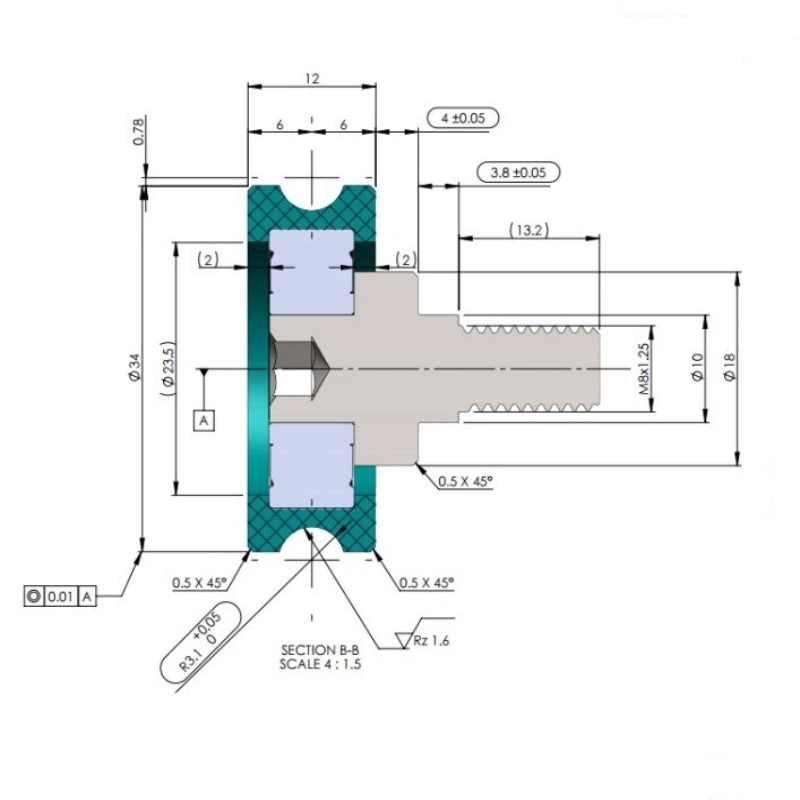
Screw pulleys rely on screws to secure the components together. Loose screws can cause the pulley to become unstable, leading to increased vibration, wear, and potential failure.
Vibration during operation can gradually loosen the screws. Additionally, if the screws are not tightened properly during installation, they may come loose over time. Loose screws can also allow the components to shift, which can affect the alignment of the pulley and cause other problems.
To prevent loose screws, it is important to use the correct torque when tightening the screws and to check them regularly for tightness. We offer S696ZZ Rubber Coated Bearing with M6 Screw which are designed with high - quality screws to ensure a secure connection.
Conclusion
In conclusion, understanding the common failures of screw pulleys is essential for ensuring the reliable operation of mechanical systems. By addressing issues such as wear and tear, bearing failure, corrosion, misalignment, and loose screws, users can extend the lifespan of their screw pulleys and reduce the risk of costly breakdowns.
As a screw pulley supplier, we are committed to providing high - quality products and technical support to our customers. If you are facing any issues with your screw pulleys or are looking for reliable solutions, please feel free to contact us for procurement and further discussion. We have a team of experts who can help you select the right products for your specific needs and provide guidance on installation and maintenance.
References
- Mechanical Engineering Handbook, various editions
- Journal of Tribology, articles on pulley wear and lubrication
- Manufacturer's guidelines for screw pulley installation and maintenance


